What does Exodus 4:17 mean?
“And thou shalt take this rod in thine hand, wherewith thou shalt do signs.” — Exodus 4:17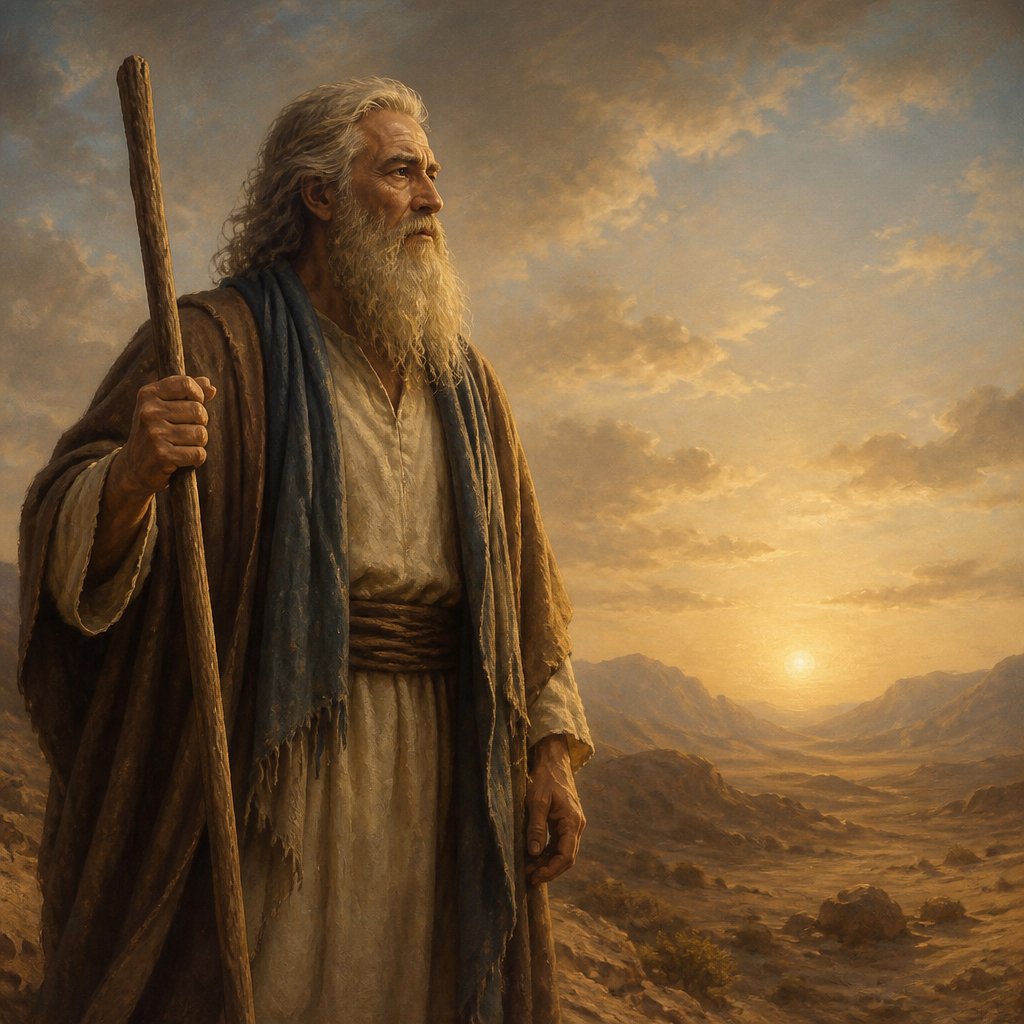
Exodus 4:17 in the King James Version of the Bible reads, "And thou shalt take this rod in thine hand, wherewith thou shalt do signs." This verse is part of the dialogue between God and Moses at the burning bush, where God is commissioning Moses to lead the Israelites out of Egypt.
The context of this verse is important to understand its meaning and significance. At this point in the story, Moses is hesitant and doubtful of his ability to carry out the task that God has set before him. He questions God's choice of him as the leader of the Israelites and expresses concern about his own abilities. In response, God reassures Moses and provides him with signs to perform in order to demonstrate his authority and power to both the Israelites and the Egyptians.
The "rod" mentioned in this verse is a significant symbol throughout the Bible, particularly in the story of Moses. It represents authority, power, and the ability to perform miracles. In this case, God is instructing Moses to take the rod in his hand as a physical and tangible sign of the authority and power that God has given him. It is a tool that Moses will use to demonstrate God's miraculous power and to carry out God's will in the events that follow.
The phrase "wherewith thou shalt do signs" is also crucial to understanding the meaning of this verse. It indicates that the rod will be instrumental in the performance of miraculous signs and wonders that will confirm Moses' authority and the truth of God's message. These signs will serve as evidence to both the Israelites and the Egyptians of God's presence and power, and they will ultimately lead to the liberation of the Israelites from their bondage in Egypt.
One of the key themes in this verse is the idea of God's empowerment of his chosen leaders. Throughout the Bible, God often calls individuals to fulfill specific roles or tasks, and he equips them with the power and ability to carry out those responsibilities. In the case of Moses, God is not only commissioning him to lead the Israelites out of Egypt, but he is also providing him with the necessary tools and abilities to accomplish this monumental task. This theme speaks to the concept of divine empowerment and God's ability to work through human agents to bring about his purposes.
Another important theme in this verse is the idea of signs and miracles as confirmations of God's authority and power. Throughout the Bible, miraculous signs are used to demonstrate God's presence and to validate the message of his chosen messengers. In the case of Moses, the signs he performs with the rod, such as turning it into a serpent or parting the Red Sea, serve as compelling evidence of God's active involvement in the events of the Exodus. This theme highlights the reliance on divine intervention and the importance of recognizing and responding to the signs of God's presence and activity.
In conclusion, Exodus 4:17 is a pivotal verse in the story of Moses and the Exodus, as it represents God's commissioning of Moses and the empowerment he provides for him to fulfill his role as the leader of the Israelites. The symbolism of the rod and the theme of signs and miracles serve to underscore the authority and power of God, as well as the importance of recognizing and responding to the signs of his presence. This verse reminds us of the ways in which God equips and empowers his chosen leaders, and it emphasizes the role of miraculous signs in validating God's message and confirming his authority.
Get our apps


Artwork for Exodus 4:17

Exodus 4:17 - "And thou shalt take this rod in thine hand, wherewith thou shalt do signs."
"And thou shalt take this rod in thine hand, wherewith thou shalt do signs." - Exodus 4:17

Exodus 17:4 - "And Moses cried unto the LORD, saying, What shall I do unto this people? they be almost ready to stone me."
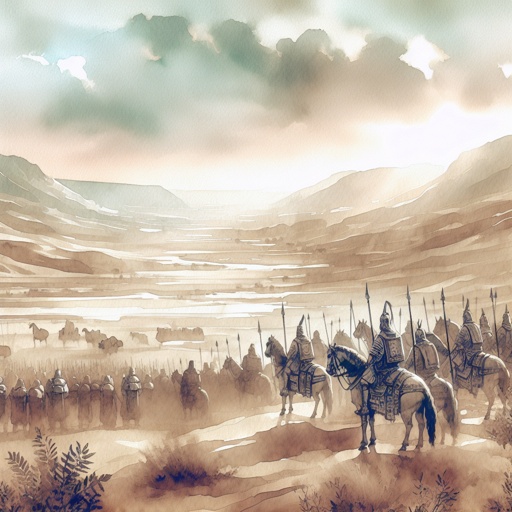
Exodus 17:10

Exodus 17:11

Exodus 17:6

Exodus 17:3

Exodus 17:3
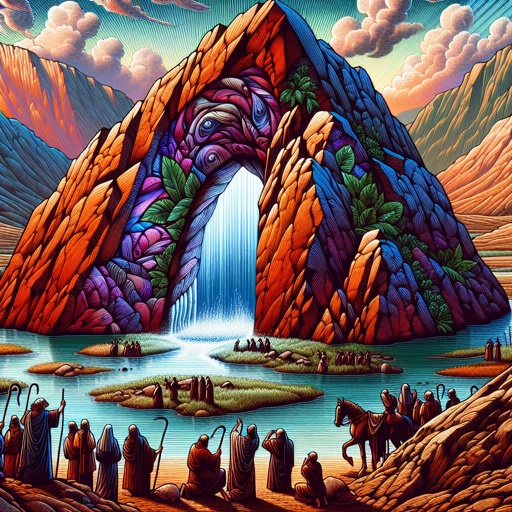
Exodus 17:6

Exodus 17:6

Exodus 24:17

Exodus 17:6

Exodus 30:17 - "¶ And the LORD spake unto Moses, saying,"

Exodus 17:8 - "¶ Then came Amalek, and fought with Israel in Rephidim."
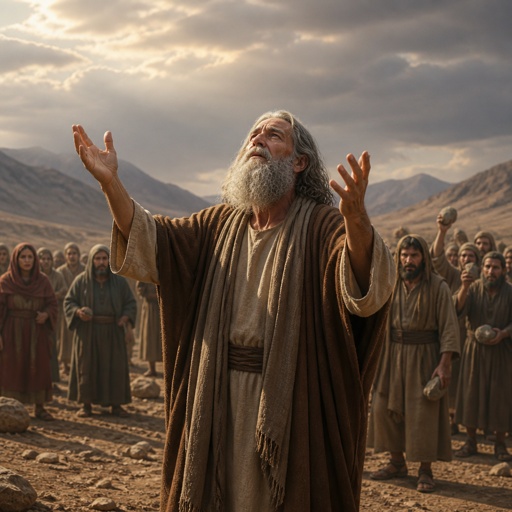
"And Moses cried unto the LORD, saying, What shall I do unto this people? they be almost ready to stone me." - Exodus 17:4

Exodus 13:17-14:29

Exodus 6:17 - "The sons of Gershon; Libni, and Shimi, according to their families."

Exodus 34:17 - "Thou shalt make thee no molten gods."

Exodus 17:15 - "And Moses built an altar, and called the name of it Jehovah-nissi:"

Exodus 17:13 - "And Joshua discomfited Amalek and his people with the edge of the sword."

Exodus 23:4

Exodus 28:4

Exodus 28:4

Exodus 35:17 - "The hangings of the court, his pillars, and their sockets, and the hanging for the door of the court,"

Exodus 28:4

Exodus 28:4

Exodus 24:4

Exodus 23:4

Exodus 16:17 - "And the children of Israel did so, and gathered, some more, some less."

Exodus 39:17 - "And they put the two wreathen chains of gold in the two rings on the ends of the breastplate."