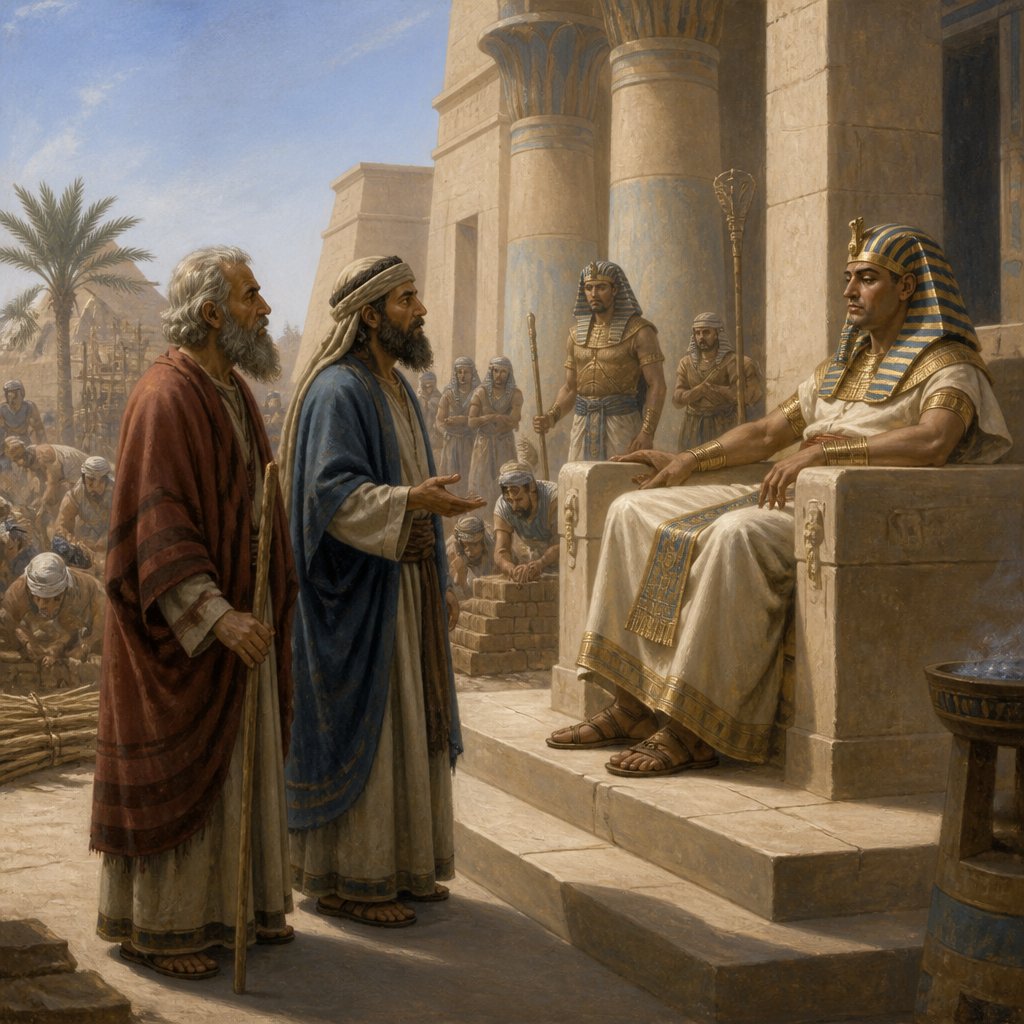
Exodus 5:1-21 (KJV) states:
1 And afterward Moses and Aaron went in, and told Pharaoh, Thus saith the Lord God of Israel, Let my people go, that they may hold a feast unto me in the wilderness.
2 And Pharaoh said, Who is the Lord, that I should obey his voice to let Israel go? I know not the Lord, neither will I let Israel go.
3 And they said, The God of the Hebrews hath met with us: let us go, we pray thee, three days' journey into the desert, and sacrifice unto the Lord our God; lest he fall upon us with pestilence, or with the sword.
4 And the king of Egypt said unto them, Wherefore do ye, Moses and Aaron, let the people from their works? get you unto your burdens.
5 And Pharaoh said, Behold, the people of the land now are many, and ye make them rest from their burdens.
6 And Pharaoh commanded the same day the taskmasters of the people, and their officers, saying,
7 Ye shall no more give the people straw to make brick, as heretofore: let them go and gather straw for themselves.
8 And the tale of the bricks, which they did make heretofore, ye shall lay upon them; ye shall not diminish aught thereof: for they be idle; therefore they cry, saying, Let us go and sacrifice to our God.
9 Let there more work be laid upon the men, that they may labour therein; and let them not regard vain words.
10 And the taskmasters of the people went out, and their officers, and they spake to the people, saying, Thus saith Pharaoh, I will not give you straw.
11 Go ye, get you straw where ye can find it: yet not ought of your work shall be diminished.
12 So the people were scattered abroad throughout all the land of Egypt to gather stubble instead of straw.
13 And the taskmasters hasted them, saying, Fulfil your works, your daily tasks, as when there was straw.
14 And the officers of the children of Israel, which Pharaoh's taskmasters had set over them, were beaten, and demanded, Wherefore have ye not fulfilled your task in making brick both yesterday and today, as heretofore?
15 Then the officers of the children of Israel came and cried unto Pharaoh, saying, Wherefore dealest thou thus with thy servants?
16 There is no straw given unto thy servants, and they say to us, Make brick: and, behold, thy servants are beaten; but the fault is in thine own people.
17 But he said, Ye are idle, ye are idle: therefore ye say, Let us go and do sacrifice to the Lord.
18 Go therefore now, and work; for there shall no straw be given you, yet shall ye deliver the tale of bricks.
19 And the officers of the children of Israel did see that they were in evil case, after it was said, Ye shall not minish aught from your bricks of your daily task.
20 And they met Moses and Aaron, who stood in the way, as they came forth from Pharaoh:
21 And they said unto them, The Lord look upon you, and judge; because ye have made our savour to be abhorred in the eyes of Pharaoh, and in the eyes of his servants, to put a sword in their hand to slay us.
The book of Exodus recounts the journey of the Israelites from slavery in Egypt to freedom in the promised land, and this passage comes at a pivotal moment in the narrative. In this section, Moses and Aaron, following divine instruction, approach Pharaoh and demand the release of the Israelites so that they may hold a feast unto the Lord in the wilderness. Pharaoh, however, refuses their request and instead increases the hardships of the Israelites by ordering that they gather their own straw for making bricks while maintaining the same production quota. This oppressive treatment leads to conflict between the Israelite officers and Pharaoh's taskmasters, ultimately resulting in the Israelites blaming Moses and Aaron for their increased suffering.
One of the central themes of this passage is the struggle for freedom and the resistance to oppression. Pharaoh's refusal to release the Israelites despite the divine command symbolizes the tyrannical power of the oppressor over the oppressed. The escalating demands on the Israelites and the harsh treatment they receive are emblematic of the injustices faced by enslaved individuals throughout history. The Israelites' cry to Moses and Aaron—"The Lord look upon you, and judge; because ye have made our savour to be abhorred in the eyes of Pharaoh, and in the eyes of his servants, to put a sword in their hand to slay us"—echoes the cries of marginalized communities seeking justice and liberation from their oppressors.
Another important theme in this passage is the power dynamics between the ruling class and the oppressed. Pharaoh's disregard for the Israelites' wellbeing and his willingness to escalate their suffering in response to their request for freedom exemplify the abuse of power and the dehumanization of those deemed inferior. The Israelites' plight serves as a powerful reminder of the indignities and cruelties endured by marginalized groups at the hands of their oppressors.
The passage also highlights the role of faith and obedience in the face of adversity. Despite Pharaoh's stubbornness and the increased hardships imposed on them, Moses, Aaron, and the Israelites continue to trust in the Lord's guidance and seek deliverance from their oppressor. Their unwavering faith and determination in the midst of adversity serve as a testament to the resilience and strength of those who hold onto hope and refuse to succumb to despair.
In addition to its thematic significance, the passage also contains several layers of symbolism. The demand for straw to make bricks can be seen as a metaphor for the relentless labor and toil endured by the Israelites under the oppressive regime of Pharaoh. The brick-making process, with its ever-increasing demands and unyielding quotas, represents the dehumanizing nature of slavery and the subjugation of individuals to a life of endless servitude.
Overall, Exodus 5:1-21 is a poignant and powerful depiction of the struggle for freedom, the abuse of power, and the unwavering faith and perseverance of the oppressed. It serves as a timeless reminder of the enduring quest for justice and liberation that resonates with individuals and communities facing similar struggles throughout history. The passage also underscores the transformative power of faith and resilience in the face of adversity, inspiring hope and fortitude in the pursuit of freedom and dignity.
Get our apps


Artwork for Exodus 5:1-21

Exodus 5:1-21 - "Exodus 5:1-21 Afterward Moses and Aaron went to Pharaoh and said, “This is what the Lord, the God of Israel, says: ‘Let my people go, so that they may hold a festival to me in the wilderness.’” Pharaoh said, “Who is the Lord, that I should obey him and let Israel go? I do not know the Lord and I will not let Israel go.” Then they said, “The God of the Hebrews has met with us. Now let us take a three-day journey into the wilderness to offer sacrifices to the Lord our God, or he may strike us with plagues or with the sword.” But the king of Egypt said, “Moses and Aaron, why are you taking the people away from their labor? Get back to your work!” Then Pharaoh said, “Look, the people of the land are now numerous, and you are stopping them from working.” That same day Pharaoh gave this order to the slave drivers and overseers in charge of the people: “You are no longer to supply the people with straw for making bricks; let them go and gather their own straw. But require them to make the same number of bricks as before; don’t reduce the quota. They are lazy; that is why they are crying out, ‘Let us go and sacrifice to our God.’ Make the work harder for the people so that they keep working and pay no attention to lies.” Then the slave drivers and the overseers went out and said to the people, “This is what Pharaoh says: ‘I will not give you any more straw. Go and get your own straw wherever you can find it, but your work will not be reduced at all.’” So the people scattered all over Egypt to gather stubble to use for straw. The slave drivers kept pressing them, saying, “Complete the work required of you for each day, just as when you had straw.” And Pharaoh’s slave drivers beat the Israelite overseers they had appointed, demanding, “Why haven’t you met your quota of bricks yesterday or today, as before?” Then the Israelite overseers went and appealed to Pharaoh: “Why have you treated your servants this way? Your servants are given no straw, yet we are told, ‘Make bricks!’ Your servants are being beaten, but the fault is with your own people.” Pharaoh said, “Lazy, that’s what you are—lazy! That is why you keep saying, ‘Let us go and sacrifice to the Lord.’ Now get to work. You will not be given any straw, yet you must produce your full quota of bricks.” The Israelite overseers realized they were in trouble when they were told, “You are not to reduce the number of bricks required of you for each day.” "
"Exodus 5:1-21 Afterward Moses and Aaron went to Pharaoh and said, “This is what the Lord, the God of Israel, says: ‘Let my people go, so that they may hold a festival to me in the wilderness.’” Pharaoh said, “Who is the Lord, that I should obey him and let Israel go? I do not know the Lord and I will not let Israel go.” Then they said, “The God of the Hebrews has met with us. Now let us take a three-day journey into the wilderness to offer sacrifices to the Lord our God, or he may strike us with plagues or with the sword.” But the king of Egypt said, “Moses and Aaron, why are you taking the people away from their labor? Get back to your work!” Then Pharaoh said, “Look, the people of the land are now numerous, and you are stopping them from working.” That same day Pharaoh gave this order to the slave drivers and overseers in charge of the people: “You are no longer to supply the people with straw for making bricks; let them go and gather their own straw. But require them to make the same number of bricks as before; don’t reduce the quota. They are lazy; that is why they are crying out, ‘Let us go and sacrifice to our God.’ Make the work harder for the people so that they keep working and pay no attention to lies.” Then the slave drivers and the overseers went out and said to the people, “This is what Pharaoh says: ‘I will not give you any more straw. Go and get your own straw wherever you can find it, but your work will not be reduced at all.’” So the people scattered all over Egypt to gather stubble to use for straw. The slave drivers kept pressing them, saying, “Complete the work required of you for each day, just as when you had straw.” And Pharaoh’s slave drivers beat the Israelite overseers they had appointed, demanding, “Why haven’t you met your quota of bricks yesterday or today, as before?” Then the Israelite overseers went and appealed to Pharaoh: “Why have you treated your servants this way? Your servants are given no straw, yet we are told, ‘Make bricks!’ Your servants are being beaten, but the fault is with your own people.” Pharaoh said, “Lazy, that’s what you are—lazy! That is why you keep saying, ‘Let us go and sacrifice to the Lord.’ Now get to work. You will not be given any straw, yet you must produce your full quota of bricks.” The Israelite overseers realized they were in trouble when they were told, “You are not to reduce the number of bricks required of you for each day.” " - Exodus 5:1-21

Exodus 27:19-21

Exodus 4:1-5

Exodus 22:5

Exodus 22:5

Exodus 22:5

Exodus 21:5 - "And if the servant shall plainly say, I love my master, my wife, and my children; I will not go out free:"

Exodus 21:1 - "Now these are the judgments which thou shalt set before them."

Exodus 5:1 - "And afterward Moses and Aaron went in, and told Pharaoh, Thus saith the LORD God of Israel, Let my people go, that they may hold a feast unto me in the wilderness."

luke 21:5-19

Exodus 1:21 - "And it came to pass, because the midwives feared God, that he made them houses."

1 Thessalonians 5:21 - "Prove all things; hold fast that which is good."

1 John 5:21 - "Little children, keep yourselves from idols. Amen."
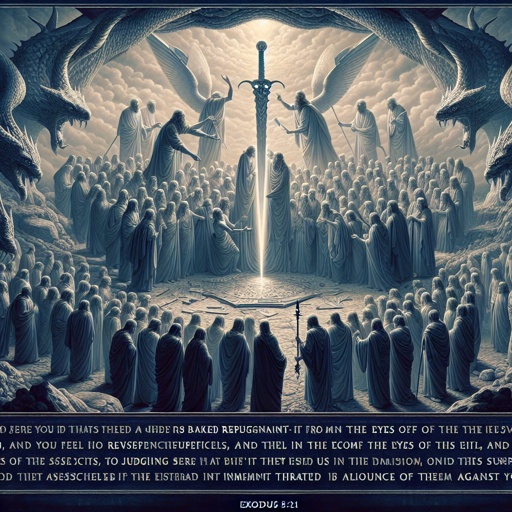
Exodus 5:21 - "And they said unto them, The LORD look upon you, and judge; because ye have made our savour to be abhorred in the eyes of Pharaoh, and in the eyes of his servants, to put a sword in their hand to slay us."

luke 21:5-19 with all people of color

luke 21:5-19 with all people of color

luke 21:5-19 with all people of color

Exodus 1:5 - "And all the souls that came out of the loins of Jacob were seventy souls: for Joseph was in Egypt already."
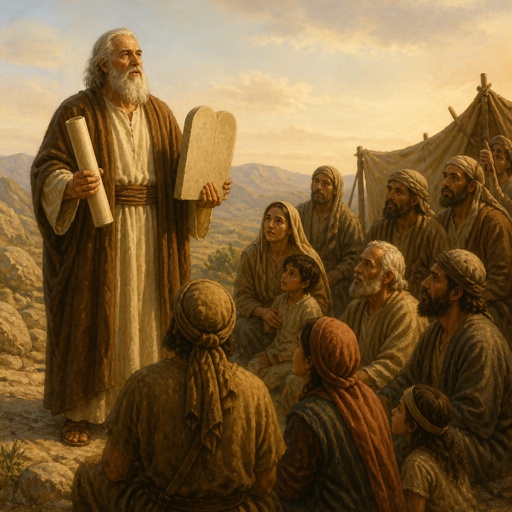
"Now these are the judgments which thou shalt set before them." - Exodus 21:1

Exodus 14: 21

Exodus 14: 21

Exodus 15:21

Exodus 21:21 - "Notwithstanding, if he continue a day or two, he shall not be punished: for he is his money."
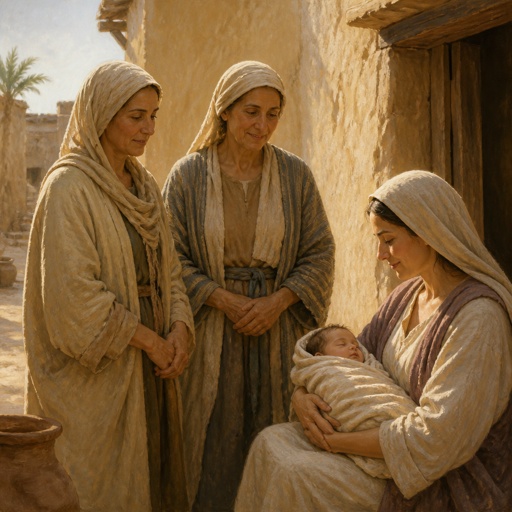
"And it came to pass, because the midwives feared God, that he made them houses." - Exodus 1:21
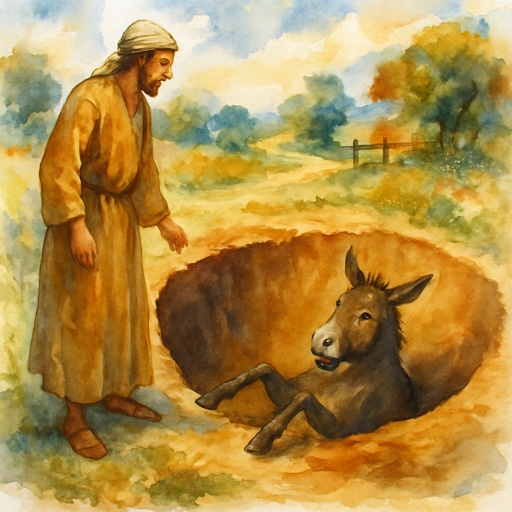
Exodus 21:33 And if a man shall open a pit, or if a man shall dig a pit, and not cover it, and an ox or an ass fall therein;

Exodus 6:21 - "¶ And the sons of Izhar; Korah, and Nepheg, and Zichri."

1 Kings 21:5 - "¶ But Jezebel his wife came to him, and said unto him, Why is thy spirit so sad, that thou eatest no bread?"
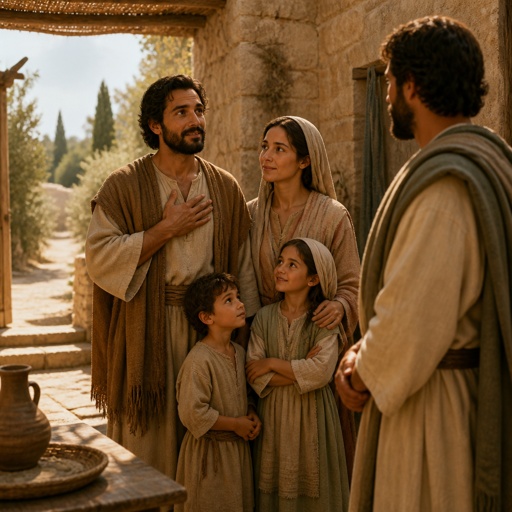
"And if the servant shall plainly say, I love my master, my wife, and my children; I will not go out free:" - Exodus 21:5

Exodus 21:25 - "Burning for burning, wound for wound, stripe for stripe."