What does Exodus 5:22 mean?
“And Moses returned unto the LORD, and said, Lord, wherefore hast thou so evil entreated this people? why is it that thou hast sent me?” — Exodus 5:22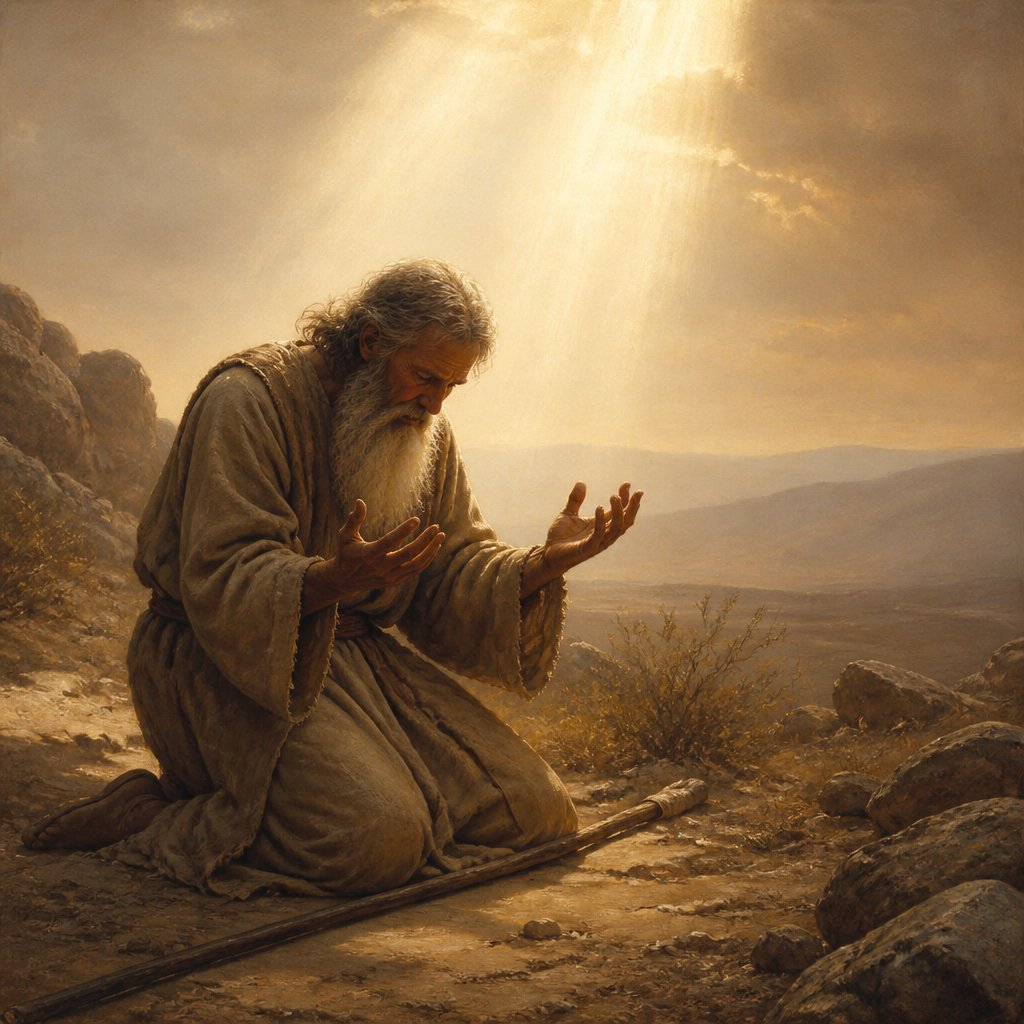
Exodus 5:22 (KJV) - "And Moses returned unto the Lord, and said, Lord, wherefore hast thou so evil entreated this people? why is it that thou hast sent me?"
The verse Exodus 5:22 is a pivotal moment in the story of the Israelites' exodus from Egypt, as it captures the turbulence and frustration that Moses feels as he struggles with the immense responsibility and the seemingly insurmountable task that God has set before him. To understand the full meaning and significance of this verse, it is important to consider the broader context and themes of the Book of Exodus, as well as the specific symbolism and implications of Moses' plea to the Lord.
The Book of Exodus is a foundational text in the Bible, recounting the story of the Israelites' liberation from slavery in Egypt and their journey to the Promised Land. The central theme of Exodus is the fulfillment of God's covenant with the descendants of Abraham and the establishment of the Israelite nation as a chosen people. Throughout the narrative, the Israelites face countless trials and tribulations as they struggle to maintain faith and obedience to God's will.
In Exodus 5, Moses, acting as the chosen leader and spokesperson for the Israelites, confronts Pharaoh and demands the release of his people from slavery. However, Pharaoh responds by increasing the workload and cruelty of the Israelites' labor, leading to widespread despair and frustration among the enslaved people. In this context, Exodus 5:22 captures Moses' exasperation as he returns to the Lord to question the suffering and hardship that has befallen the Israelites.
Moses' anguished plea to the Lord reveals the depth of his struggle as a leader and his desperate attempts to understand God's plan in the midst of overwhelming adversity. The question "Lord, wherefore hast thou so evil entreated this people?" reflects Moses' deep empathy and concern for the suffering of his fellow Israelites, as well as his willingness to challenge and seek understanding from God. This demonstrates a profound sense of moral responsibility and compassion, as Moses grapples with the injustices inflicted upon his people.
Moreover, Moses’ sincere inquiry serves as a powerful example of the complexities of faith and the human experience. His questioning of God's actions conveys the struggle of reconciling the belief in a just and compassionate God with the harsh realities of suffering and oppression. It is a reminder to readers that doubt and questioning are natural components of faith, and that wrestling with God's will is an inherent part of the human condition.
The verse also symbolizes the strength and vulnerability of Moses as a leader, exemplifying the emotional and psychological toll of carrying the weight of his people's liberation. It underscores the burden of leadership, as well as the courage and integrity necessary to advocate for justice in the face of formidable opposition. Moses' willingness to confront God and express his doubts reflects his honesty and steadfast commitment to fulfilling his divine calling, even in moments of despair and uncertainty.
In sum, Exodus 5:22 is a profound and poignant verse that captures the complexity of faith, leadership, and the human experience. It underscores the themes of suffering, justice, and the divine plan, offering a timeless portrayal of the struggles and resilience of the human spirit. Through Moses' earnest plea to the Lord, readers are invited to contemplate the profound questions of suffering and the nature of God's providence, while finding inspiration in the courage and compassion of a leader who dares to challenge and seek understanding from the Almighty.
Get our apps


Artwork for Exodus 5:22

Exodus 5:22 - "And Moses returned unto the LORD, and said, Lord, wherefore hast thou so evil entreated this people? why is it that thou hast sent me?"
"And Moses returned unto the LORD, and said, Lord, wherefore hast thou so evil entreated this people? why is it that thou hast sent me?" - Exodus 5:22

Exodus 22:5

Exodus 22:5

Exodus 22:5

Exodus 22:5 - "¶ If a man shall cause a field or vineyard to be eaten, and shall put in his beast, and shall feed in another man's field; of the best of his own field, and of the best of his own vineyard, shall he make restitution."

Exodus 22:22 - "¶ Ye shall not afflict any widow, or fatherless child."

Exodus 22:28

Exodus 15:22

Exodus 22:28

Exodus 22:28

Exodus 22:28

Exodus 22:28

Exodus 22:28

Exodus 22:28

Exodus 22:28

Exodus 22:28

Exodus 22:28

Exodus 22:28

Exodus 22:28

Exodus 22:28

Exodus 22:28

Exodus 25:10-22

Exodus 6:22 - "And the sons of Uzziel; Mishael, and Elzaphan, and Zithri."

Exodus 22:18 - "¶ Thou shalt not suffer a witch to live."

Exodus 30:22 - "¶ Moreover the LORD spake unto Moses, saying,"

Exodus 15:5

Exodus 22:19 - "¶ Whosoever lieth with a beast shall surely be put to death."

"¶ Ye shall not afflict any widow, or fatherless child." - Exodus 22:22

Exodus 39:22 - "¶ And he made the robe of the ephod of woven work, all of blue."