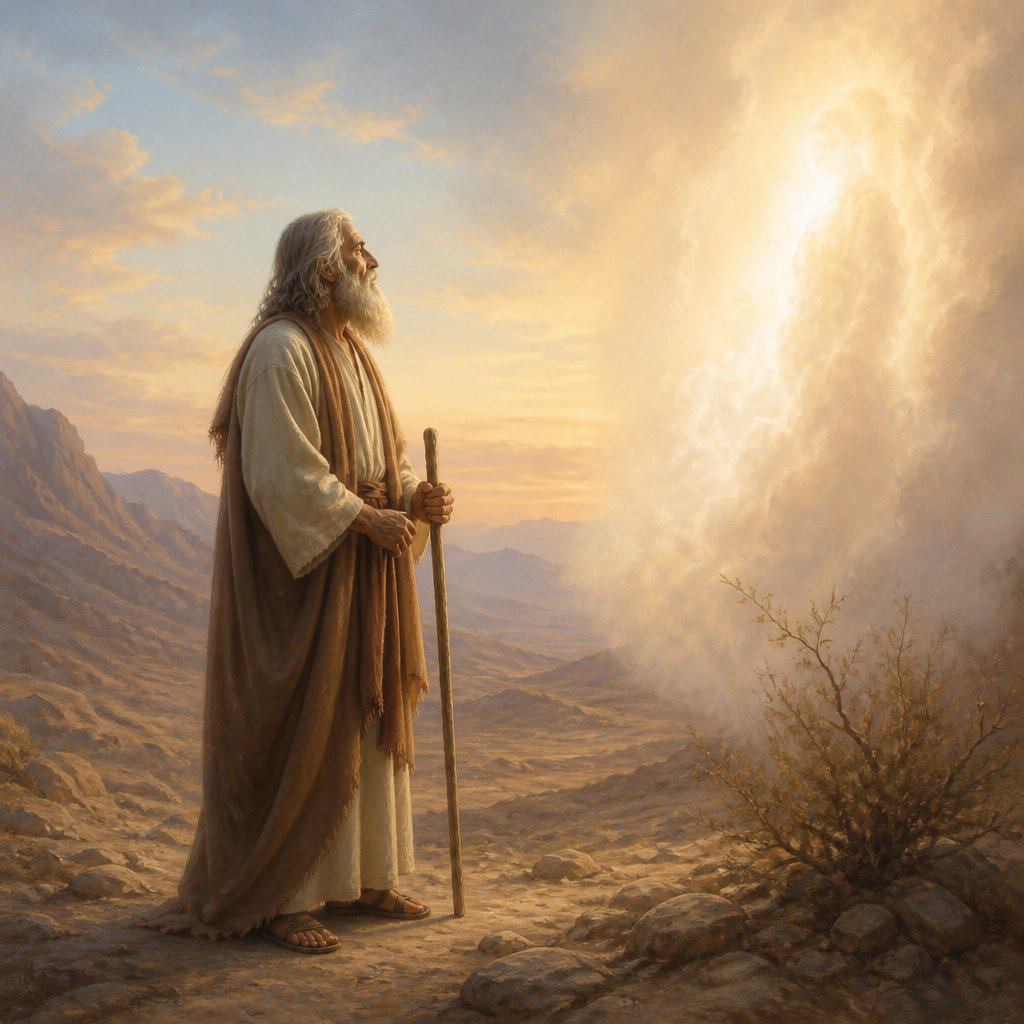
Exodus 6:10 in the King James Version (KJV) of the Bible reads: "And the Lord spake unto Moses, saying," This seemingly simple and straightforward verse is actually a pivotal moment in the narrative of the book of Exodus, and it holds deep significance in the context of the broader themes and symbolism of the biblical story.
In order to truly understand the meaning of Exodus 6:10, it is crucial to examine the surrounding verses and the broader context of the book of Exodus. In the preceding chapters, Moses has been called by God to lead the Israelites out of slavery in Egypt and into the promised land. However, he encounters resistance from both the Pharaoh and the Israelite people themselves. Despite the miraculous signs and wonders that God performs through Moses, the Israelites are hesitant to believe in his leadership, and the Pharaoh remains stubborn in his refusal to release the Israelites from bondage.
In the midst of this conflict and doubt, Exodus 6:10 serves as a moment of divine communication and reassurance. The fact that the Lord "spake unto Moses" indicates a direct and personal interaction between God and his chosen leader. This communication serves as a reminder of God's presence and involvement in the unfolding events. It also signifies a renewed sense of purpose and direction for Moses, who may have been discouraged by the resistance he faced from both the Pharaoh and the Israelites.
The theme of divine communication and reassurance is a central aspect of the broader narrative of the book of Exodus. Throughout the book, God continually speaks to Moses, guiding and instructing him on how to navigate the challenges of leading the Israelites to freedom. This theme emphasizes the importance of faith and obedience in the face of adversity, as well as the belief in a higher power that is actively involved in the affairs of humanity.
Furthermore, the act of God speaking to Moses holds symbolic significance within the broader context of biblical theology. In the Christian tradition, the concept of God speaking to his people is emblematic of the divine revelation and the presence of God in the world. This theme is further developed in the New Testament, where it is believed that God speaks to humanity through the person of Jesus Christ, who is often referred to as the "Word of God" (John 1:1).
The focus on divine communication in Exodus 6:10 also reflects the broader theological concept of God's faithfulness and commitment to his people. Despite the doubts and struggles that Moses and the Israelites face, God's continuous communication with Moses serves as a reminder of his unwavering dedication to guiding and protecting his chosen people. This theme of divine faithfulness is echoed throughout the Bible, highlighting the enduring nature of God's love and provision for those who place their trust in him.
In conclusion, Exodus 6:10 holds deep meaning and significance within the broader context of the book of Exodus and the biblical narrative as a whole. It serves as a moment of divine reassurance and communication, emphasizing the themes of faith, obedience, and God's faithfulness. Understanding this verse in its broader literary and theological context allows for a richer appreciation of its profound message and the enduring truths it conveys.
Get our apps


Artwork for Exodus 6:10

Exodus 6:10 - "And the LORD spake unto Moses, saying,"

Exodus 6:10 - "And the LORD spake unto Moses, saying,"

"And the LORD spake unto Moses, saying," - Exodus 6:10

Exodus 7:10

Exodus 7:10

Exodus 10:12
Exodus 17:10

Exodus 10:12

Exodus 10:12

Exodus 17:6

Exodus 17:6

Exodus 17:6

Exodus 17:6

Exodus 10:6 - "And they shall fill thy houses, and the houses of all thy servants, and the houses of all the Egyptians; which neither thy fathers, nor thy fathers' fathers have seen, since the day that they were upon the earth unto this day. And he turned himself, and went out from Pharaoh."

Exodus 25:10-22

Exodus 6:21 - "¶ And the sons of Izhar; Korah, and Nepheg, and Zichri."

Exodus 6:22 - "And the sons of Uzziel; Mishael, and Elzaphan, and Zithri."

Exodus 6:17 - "The sons of Gershon; Libni, and Shimi, according to their families."

Exodus 10:18 - "And he went out from Pharaoh, and intreated the LORD."

The Plague of Locusts - Exodus 10:1-20

The Plague of Darkness - Exodus 10:21-29

The Plague of Locusts - Exodus 10:1-20

The Plague of Darkness - Exodus 10:21-29

The Plague of Darkness - Exodus 10:21-29

The Plague of Darkness - Exodus 10:21-29

The Plague of Darkness - Exodus 10:21-29

The Plague of Darkness - Exodus 10:21-29

The Plague of Locusts - Exodus 10:1-20

The Plague of Darkness - Exodus 10:21-29

Exodus 35:6 - "And blue, and purple, and scarlet, and fine linen, and goats' hair,"