What does Exodus 6:11 mean?
"Go in, speak unto Pharaoh king of Egypt, that he let the children of Israel go out of his land." - Exodus 6:11
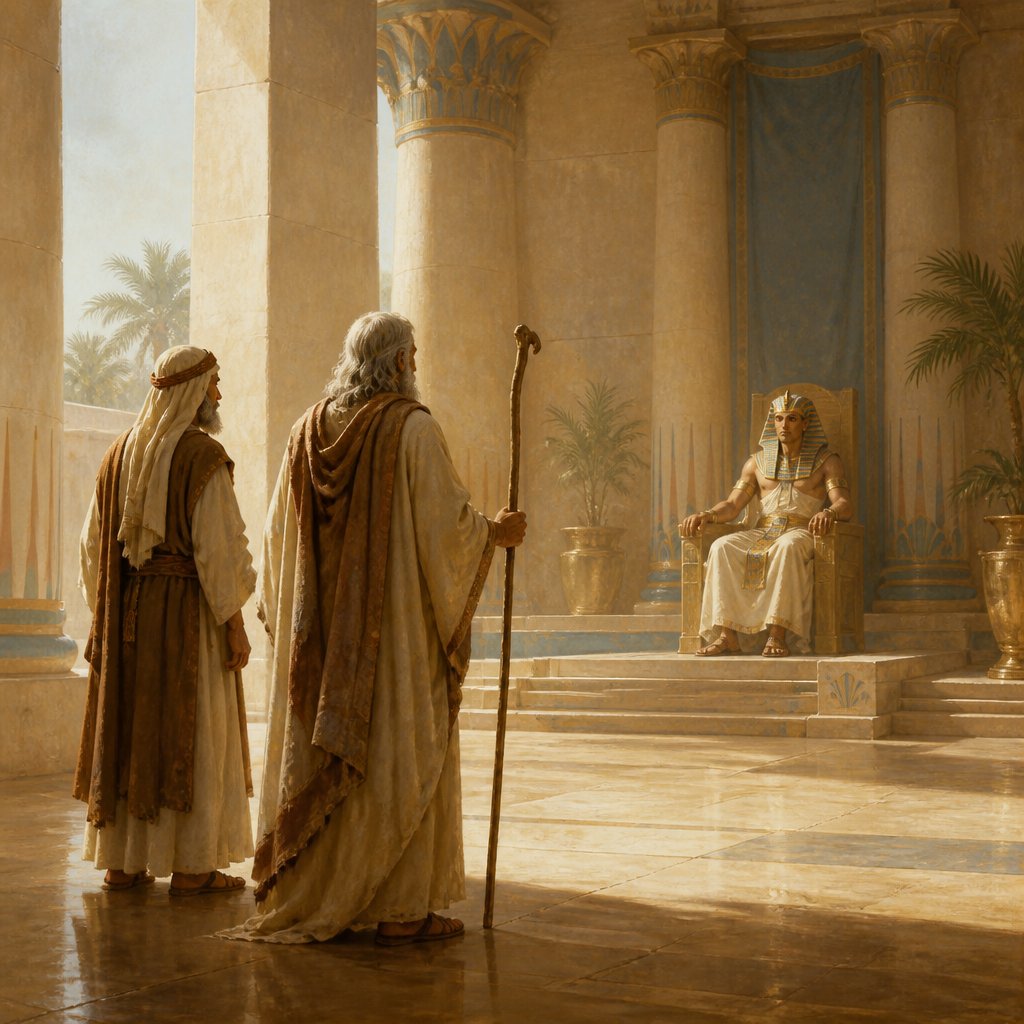
Exodus 6:11 (KJV) states, "Go in, speak unto Pharaoh king of Egypt, that he let the children of Israel go out of his land." This verse is part of a larger passage in the Book of Exodus, which recounts the story of Moses and the Israelites' enslavement in Egypt, and their subsequent exodus to freedom.
The verse is a direct command from God to Moses, instructing him to go to Pharaoh and demand the release of the Israelites from their bondage. This verse is pivotal in the narrative of the Exodus, as it marks the beginning of the confrontation between Moses, as God's chosen messenger, and Pharaoh, the oppressive ruler of Egypt.
There are several themes and contexts at play in this verse. Firstly, the theme of liberation and deliverance is central to the entire Book of Exodus. The Israelites are enslaved and oppressed by the Egyptians, and God intervenes to rescue them from their plight. This theme of freedom from oppression is a powerful and enduring one, resonating with people of faith and conscience throughout history.
Secondly, the verse speaks to the idea of obedience and faithfulness to God's commands. Moses is being tasked with a daunting and dangerous mission, but he is urged to trust in God's guidance and fulfill his duty as a leader of his people. This theme of obedience and trust in God's providence is recurrent throughout the Bible, and it underscores the importance of following God's will, even in the face of overwhelming odds.
The verse also carries an important message about the nature of power and authority. Pharaoh, as the ruler of Egypt, represents the epitome of worldly power and tyranny. In contrast, Moses, a humble shepherd chosen by God, stands as a symbol of divine authority and righteousness. This dichotomy between earthly and spiritual power is a recurring theme in the Bible, and it serves as a reminder that true power comes from God, not from human institutions or individuals.
Symbolism is also present in this verse, particularly in the figure of Pharaoh. In biblical symbolism, Pharaoh often represents the forces of evil and oppression, while Moses symbolizes the liberating and redemptive power of God. Thus, the confrontation between Moses and Pharaoh can be seen as a metaphorical struggle between good and evil, with the fate of the Israelites hanging in the balance.
Furthermore, the act of speaking is significant in this verse. God instructs Moses to "speak unto Pharaoh," indicating that words have the power to effect change and bring about liberation. This highlights the importance of advocacy and speaking out against injustice, a theme that is relevant in both religious and secular contexts.
In conclusion, Exodus 6:11 is a verse that carries profound themes of liberation, obedience, power, and symbolism. It speaks to the timeless struggle for freedom and justice, and it serves as a reminder of the enduring relevance of the story of the Exodus in the collective consciousness of humanity. This verse continues to inspire and challenge believers to confront injustice and oppression, and to trust in the power of God to deliver them from their afflictions.
Have questions about Exodus 6:11?
Dive deeper into this scripture with Bible Chat — an AI-powered tool for exploring God's Word through conversation. Ask questions, get context, and grow in your understanding of the Bible.
Get Our Apps


Exodus 6:11 Artwork

Exodus 6:11 - "Go in, speak unto Pharaoh king of Egypt, that he let the children of Israel go out of his land."
"Go in, speak unto Pharaoh king of Egypt, that he let the children of Israel go out of his land." - Exodus 6:11

Exodus 11:6 - "And there shall be a great cry throughout all the land of Egypt, such as there was none like it, nor shall be like it any more."

exodus 18:11
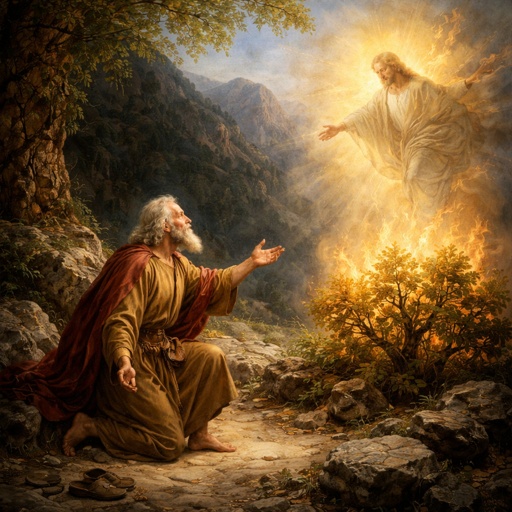
exodus 3:11

Exodus 17:11
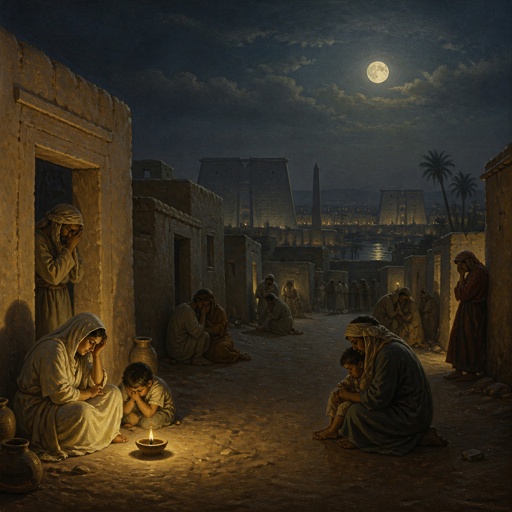
"And there shall be a great cry throughout all the land of Egypt, such as there was none like it, nor shall be like it any more." - Exodus 11:6

Exodus 17:6

Exodus 17:6

Exodus 17:6

Exodus 17:6

The Plague on the Firstborn - Exodus 11
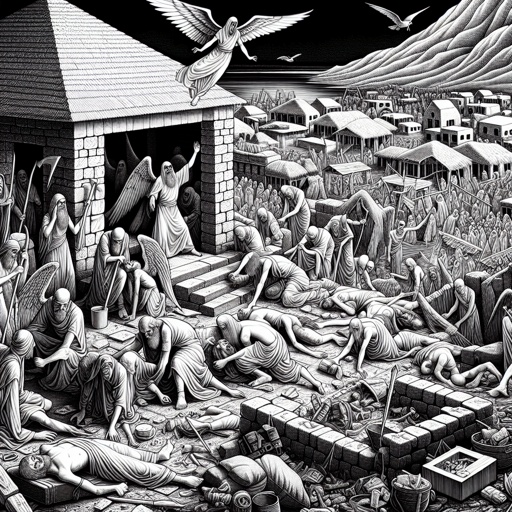
The Plague on the Firstborn - Exodus 11

The Plague on the Firstborn - Exodus 11
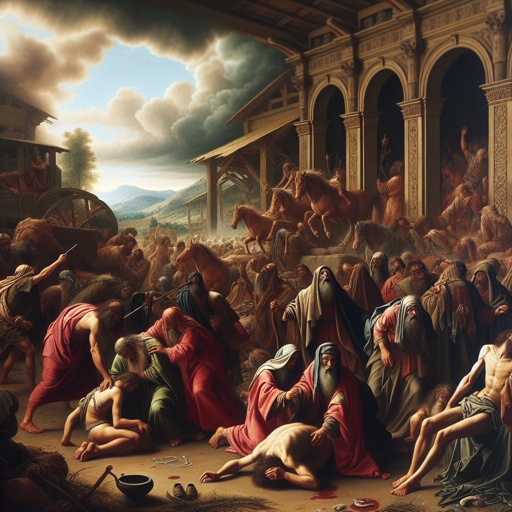
The Plague on the Firstborn - Exodus 11

Exodus 24:9-11

The Plague on the Firstborn - Exodus 11

The Plague on the Firstborn - Exodus 11

Exodus 16:11 - "¶ And the LORD spake unto Moses, saying,"

Exodus 30:11 - "¶ And the LORD spake unto Moses, saying,"

Exodus 39:11 - "And the second row, an emerald, a sapphire, and a diamond."

The Plague on the Firstborn Son - Exodus 11

Exodus 6:21 - "¶ And the sons of Izhar; Korah, and Nepheg, and Zichri."

Exodus 6:22 - "And the sons of Uzziel; Mishael, and Elzaphan, and Zithri."

Exodus 6:10 - "And the LORD spake unto Moses, saying,"

Exodus 40:11 - "And thou shalt anoint the laver and his foot, and sanctify it."

Exodus 6:17 - "The sons of Gershon; Libni, and Shimi, according to their families."

Exodus 35:6 - "And blue, and purple, and scarlet, and fine linen, and goats' hair,"

Exodus 25:6 - "Oil for the light, spices for anointing oil, and for sweet incense,"

Exodus 1:6 - "And Joseph died, and all his brethren, and all that generation."