What does Exodus 6:13 mean?
"And the LORD spake unto Moses and unto Aaron, and gave them a charge unto the children of Israel, and unto Pharaoh king of Egypt, to bring the children of Israel out of the land of Egypt." - Exodus 6:13
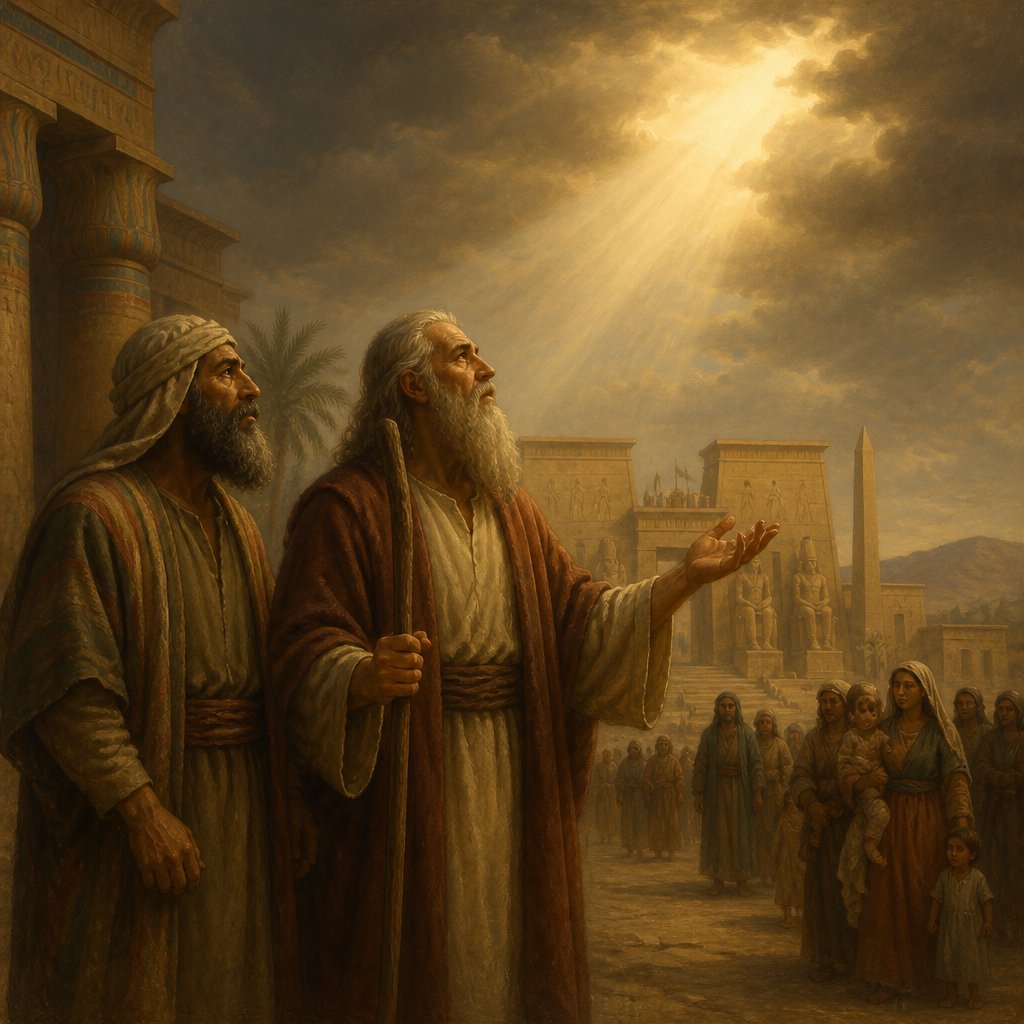
Exodus 6:13 in the King James Version of the Bible reads: "And the LORD spake unto Moses and unto Aaron, and gave them a charge unto the children of Israel, and unto Pharaoh king of Egypt, to bring the children of Israel out of the land of Egypt." This verse is a pivotal moment in the story of the Israelites' exodus from Egypt, and it holds profound significance in terms of themes, context, and symbolism.
The book of Exodus is the second book in the Bible and tells the story of the Israelites' deliverance from slavery in Egypt. Exodus 6:13 occurs at a critical juncture in the narrative, as it marks the point at which God commissions Moses and Aaron to lead the Israelites out of Egypt. This verse is part of a larger conversation between God and Moses, in which God reaffirms His covenant with the Israelites and promises to free them from bondage.
One of the central themes of this verse is the idea of divine intervention and deliverance. Throughout the book of Exodus, God demonstrates His power and sovereignty by orchestrating miraculous events, such as the plagues on Egypt and the parting of the Red Sea. In Exodus 6:13, God speaks directly to Moses and Aaron, entrusting them with the monumental task of leading the Israelites to freedom. This theme of divine deliverance highlights the Israelites' dependence on God and underscores His faithfulness to His chosen people.
Another important theme in this verse is the concept of leadership and obedience. God gives Moses and Aaron a specific "charge" or command to deliver the Israelites from Egypt. This underscores the idea that both leaders and followers have roles to play in carrying out God's will. Moses and Aaron are called to exercise leadership and obedience, while the Israelites are called to trust and follow their appointed leaders. This theme of leadership and obedience is a recurring motif throughout the book of Exodus and serves as a model for how God's people are to live in relationship with Him.
The context of Exodus 6:13 is also significant for understanding its deeper meaning. The Israelites have been enslaved in Egypt for generations, enduring harsh labor and oppression. God's promise to free them from bondage is a fulfillment of His covenant with their forefathers, particularly Abraham, Isaac, and Jacob. In commissioning Moses and Aaron to lead the Israelites out of Egypt, God is demonstrating His faithfulness to His promises and His concern for the plight of His people. This context adds depth and poignancy to the verse, as it reflects God's compassion for the oppressed and His commitment to justice.
In terms of symbolism, Exodus 6:13 holds rich symbolic significance. Moses and Aaron can be seen as symbolic figures representing leadership, faith, and obedience. Their roles as instruments of God's deliverance foreshadow the future leadership of the Israelites and their journey to the Promised Land. The charge given to Moses and Aaron symbolizes the divine calling and responsibility placed on leaders to guide and protect God's people. Additionally, the reference to Pharaoh king of Egypt symbolizes the oppressive forces that seek to thwart God's plans, highlighting the ongoing struggle between God's will and human resistance.
In conclusion, Exodus 6:13 is a verse with deep layers of meaning, encompassing themes of deliverance, leadership, obedience, and divine intervention. Its context within the larger narrative of the exodus from Egypt and its rich symbolism add to its significance within the biblical text. This verse serves as a powerful reminder of God's sovereignty, His faithfulness to His promises, and His concern for the oppressed. It also provides a blueprint for how God's people are to live in relationship with Him, demonstrating the importance of both leadership and obedience in fulfilling His purposes.
Have questions about Exodus 6:13?
Dive deeper into this scripture with Bible Chat — an AI-powered tool for exploring God's Word through conversation. Ask questions, get context, and grow in your understanding of the Bible.
Get Our Apps


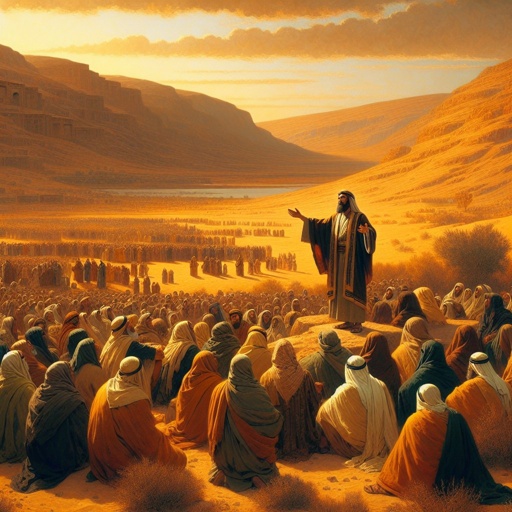
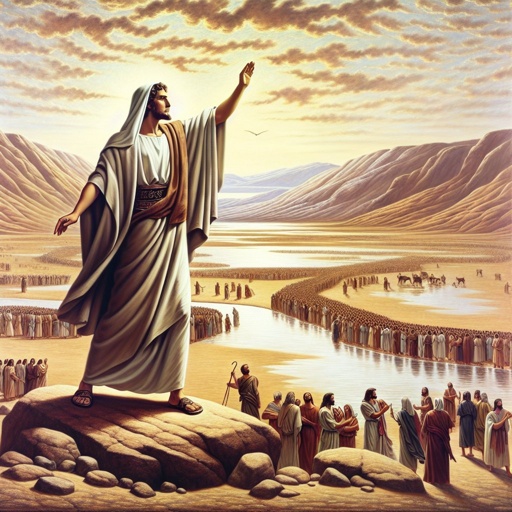
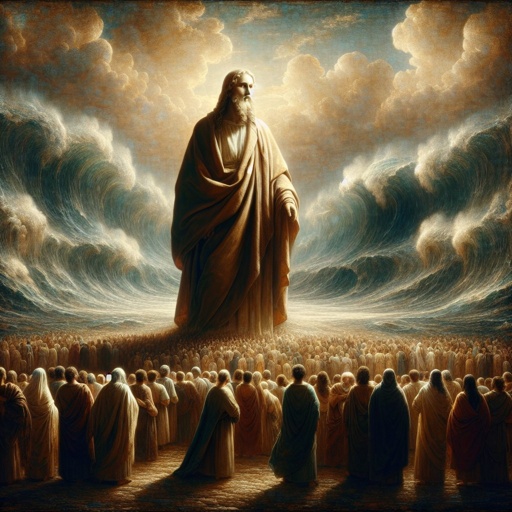
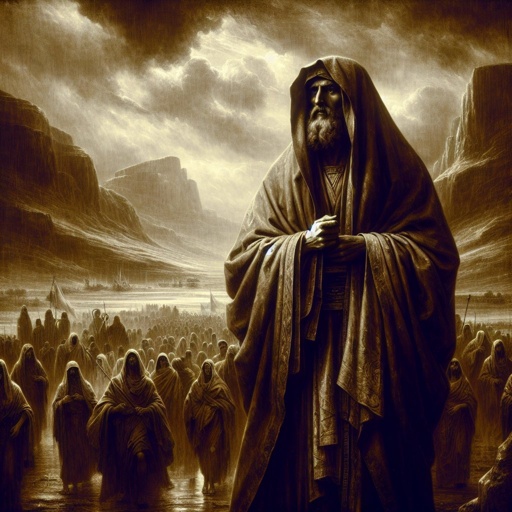
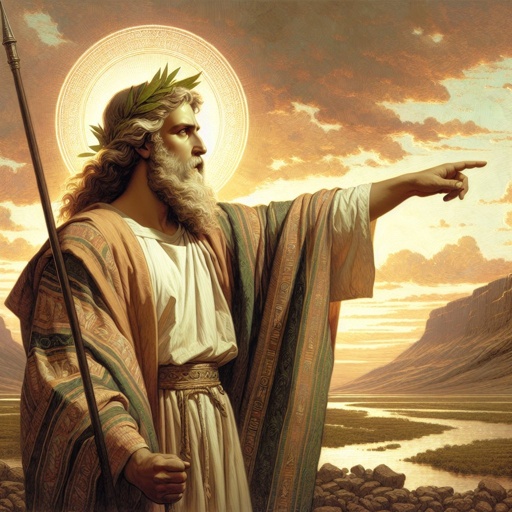
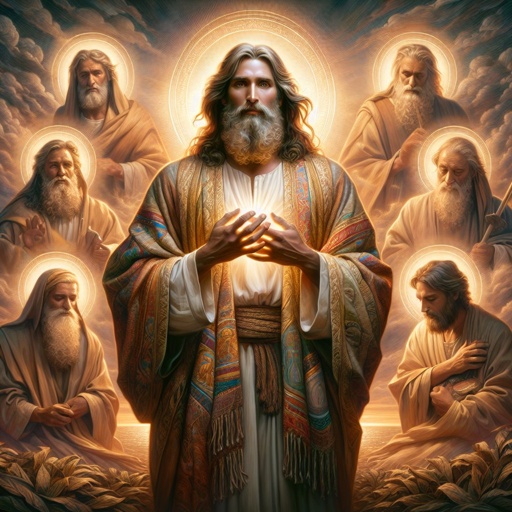
Exodus 6:13 Artwork

Exodus 6:13 - "And the LORD spake unto Moses and unto Aaron, and gave them a charge unto the children of Israel, and unto Pharaoh king of Egypt, to bring the children of Israel out of the land of Egypt."

Exodus 6:13 KJV (13) And the LORD spake unto Moses and unto Aaron, and gave them a charge unto the children of Israel, and unto Pharaoh king of Egypt, to bring the children of Israel out of the land of Egypt.
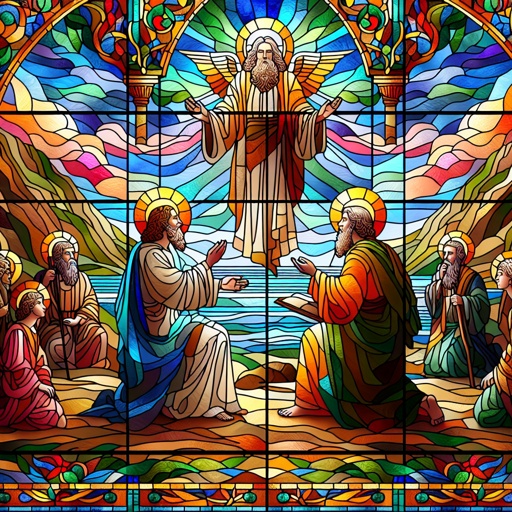
Exodus 6:13 KJV (13) And the LORD spake unto Moses and unto Aaron, and gave them a charge unto the children of Israel, and unto Pharaoh king of Egypt, to bring the children of Israel out of the land of Egypt.

Exodus 6:13 KJV (13) And the LORD spake unto Moses and unto Aaron, and gave them a charge unto the children of Israel, and unto Pharaoh king of Egypt, to bring the children of Israel out of the land of Egypt.
"And the LORD spake unto Moses and unto Aaron, and gave them a charge unto the children of Israel, and unto Pharaoh king of Egypt, to bring the children of Israel out of the land of Egypt." - Exodus 6:13

Exodus 13:6 - "Seven days thou shalt eat unleavened bread, and in the seventh day shall be a feast to the LORD."
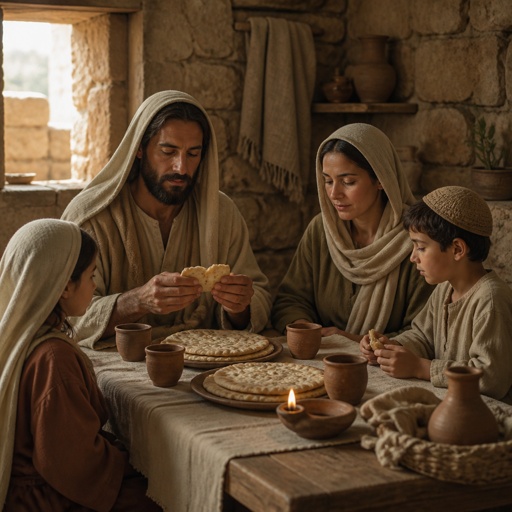
"Seven days thou shalt eat unleavened bread, and in the seventh day shall be a feast to the LORD." - Exodus 13:6

Exodus 14:13

Exodus 14:13

Exodus 14:13

Exodus 14:13

Exodus 14:13

Exodus 14:13

Exodus 14:13
Exodus 14:13

Exodus 14:13

Exodus 14:13
Exodus 14:13
Exodus 14:13
Exodus 14:13
Exodus 14:13

Exodus 14:13

Exodus 14:13

Exodus 14:13

Exodus 14:13

Exodus 14:13

Exodus 12:13

Exodus 14:13

Exodus 14:13
Exodus 14:13