What does Exodus 6:20 mean?
"And Amram took him Jochebed his father's sister to wife; and she bare him Aaron and Moses: and the years of the life of Amram were an hundred and thirty and seven years." - Exodus 6:20
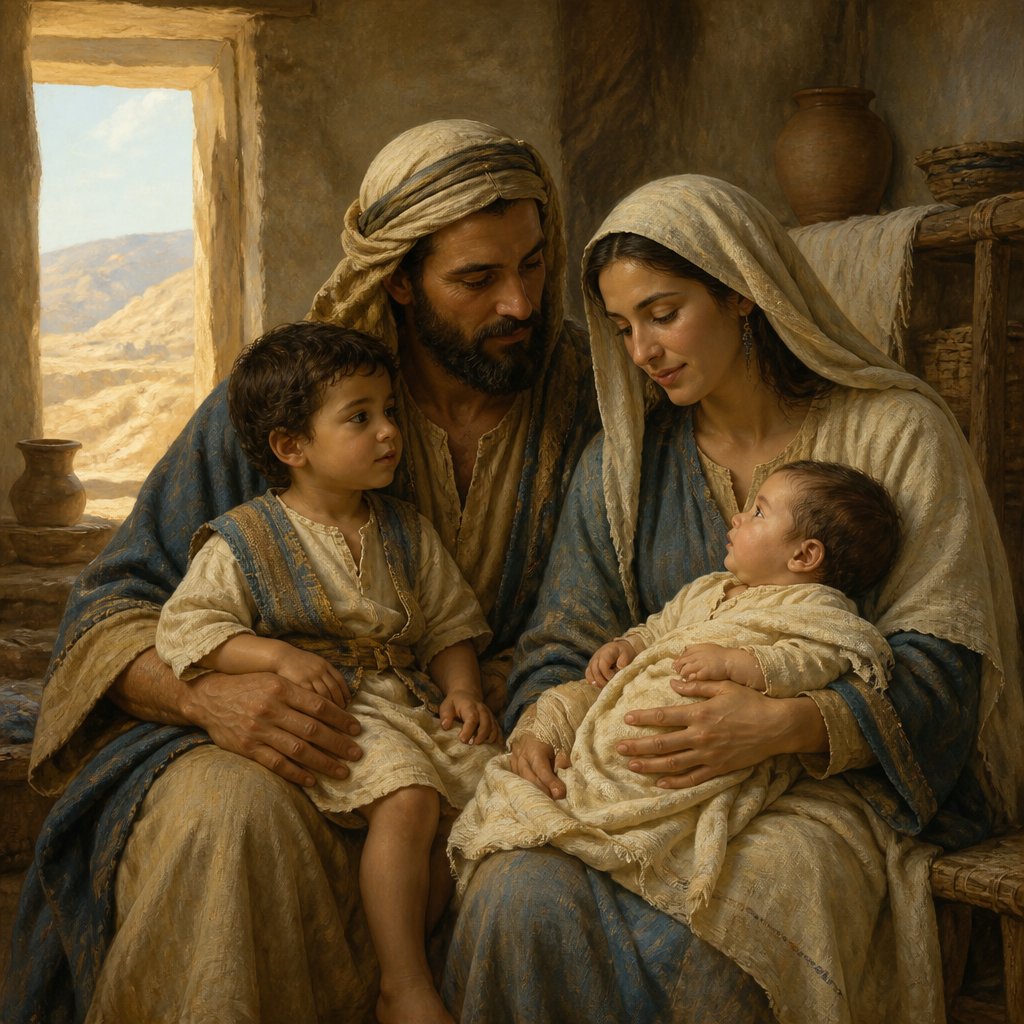
Exodus 6:20 (KJV) states, "And Amram took him Jochebed his father's sister to wife; and she bare him Aaron and Moses: and the years of the life of Amram were an hundred and thirty and seven years." This verse is part of the genealogy of Moses found in the book of Exodus, and it provides insight into the family lineage of one of the most prominent figures in the Bible.
The verse starts by mentioning Amram, who takes his father's sister, Jochebed, to be his wife. This union resulted in the birth of two significant figures in the Old Testament, Aaron, and Moses. Amram's long life of 137 years is also noted in this verse, emphasizing the longevity and endurance of his family line.
One of the key themes in this verse is the importance of familial lineage and the divine purpose within it. In the Old Testament, genealogy was highly significant as it determined one's status, inheritance, and role within the community. The lineage of Aaron and Moses traced back to Amram and Jochebed serves as a foundation for their eventual leadership and contribution to the liberation of the Israelites from Egypt.
Furthermore, the verse highlights the role of women within the genealogical narrative. Jochebed, who is mentioned as the mother of Aaron and Moses, played a crucial part in preserving the life of Moses as a baby and ultimately raising him to become the leader of the Israelites. Her faith and courage in the face of adversity are emblematic of the strength of women in the Bible.
Symbolically, the union of Amram and Jochebed represents the coming together of two significant lineages, culminating in the birth of Moses, a central figure in the biblical narrative. It also underscores the idea of interconnectedness and continuity within the family structure, demonstrating how each generation is linked to the next in the overarching plan of God.
In a broader context, the genealogy mentioned in this verse signifies the unfolding of God's plan for the Israelites. It traces the lineage of Moses and Aaron back to their ancestors, establishing a clear line of descent for the leaders of the Hebrew people. This genealogy also serves to authenticate the authority and legitimacy of Moses and Aaron as chosen instruments of God.
From a spiritual perspective, Exodus 6:20 emphasizes the faithfulness of God in fulfilling His promises. The birth of Moses and Aaron from the union of Amram and Jochebed was a part of God's divine plan to deliver His people from slavery in Egypt. It serves as a reminder that God works through human generations and family lines to carry out His purpose in the world, demonstrating His faithfulness and providence.
In conclusion, Exodus 6:20 holds deep significance within the biblical narrative, offering insights into the lineage, faith, and divine purpose of key figures in the Old Testament. Through its themes of family, lineage, and divine providence, this verse serves as a foundational element in understanding the unfolding of God's plan for His people and the important role of each individual within the greater framework of His purpose.
Have questions about Exodus 6:20?
Dive deeper into this scripture with Bible Chat — an AI-powered tool for exploring God's Word through conversation. Ask questions, get context, and grow in your understanding of the Bible.
Get Our Apps


Exodus 6:20 Artwork

Exodus 6:20 - "And Amram took him Jochebed his father's sister to wife; and she bare him Aaron and Moses: and the years of the life of Amram were an hundred and thirty and seven years."
"And Amram took him Jochebed his father's sister to wife; and she bare him Aaron and Moses: and the years of the life of Amram were an hundred and thirty and seven years." - Exodus 6:20

Exodus 20:6 - "And shewing mercy unto thousands of them that love me, and keep my commandments."
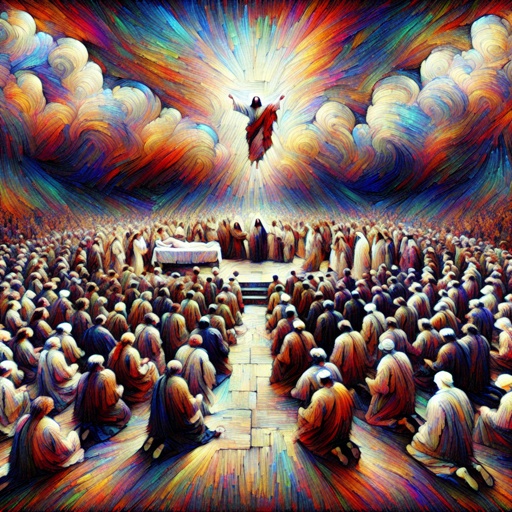
Exodus 20:6 (6) And shewing mercy unto thousands of them that love me, and keep my commandments.
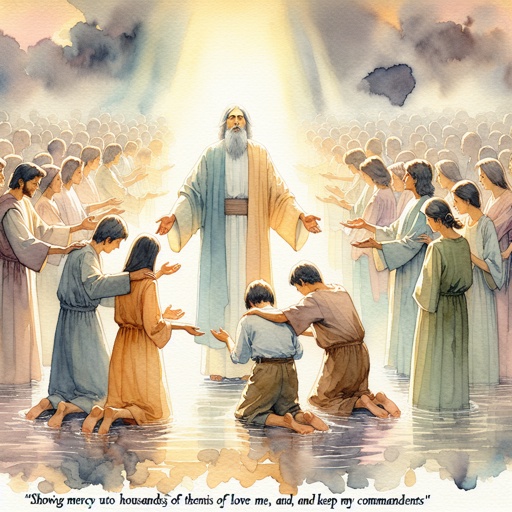
Exodus 20:6 (6) And shewing mercy unto thousands of them that love me, and keep my commandments.
Exodus 20:6 (6) And shewing mercy unto thousands of them that love me, and keep my commandments.
Exodus 20:6 (6) And shewing mercy unto thousands of them that love me, and keep my commandments.
Exodus 20:6 (6) And shewing mercy unto thousands of them that love me, and keep my commandments.
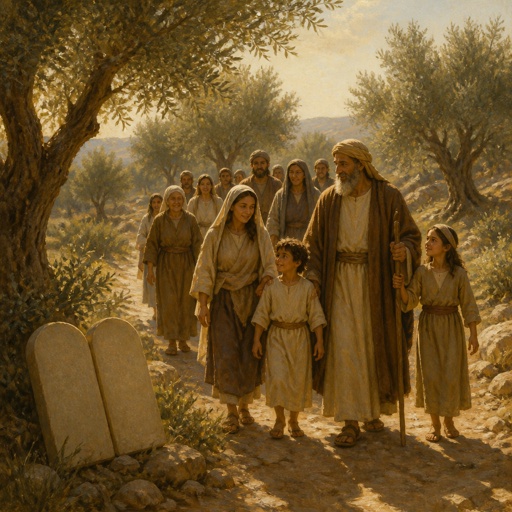
"And shewing mercy unto thousands of them that love me, and keep my commandments." - Exodus 20:6

Exodus 23:20

Exodus 20:2

Exodus 27:20

Exodus 27:20

Exodus 27:20

Exodus 20:14

Exodus 20:13 - "Thou shalt not kill."

Exodus 20:15 - "Thou shalt not steal."

Exodus 27:19-20

Exodus 19:16-20

Exodus 20:14 - "Thou shalt not commit adultery."

Exodus 20:1 - "And God spake all these words, saying,"

Exodus 20:8 - "Remember the sabbath day, to keep it holy."

Exodus 20:5-6 - "You shall not bow down to them or worship them; for I, the Lord your God, am a jealous God, punishing the children for the sin of the parents to the third and fourth generation of those who hate me, but showing love to a thousand generations of those who love me and keep my commandments."

Exodus 17:6

Exodus 17:6

Exodus 17:6

Exodus 17:6

Exodus 20:20 - "And Moses said unto the people, Fear not: for God is come to prove you, and that his fear may be before your faces, that ye sin not."

Exodus 20:3 - "Thou shalt have no other gods before me."

The Plague of Locusts - Exodus 10:1-20