What does Exodus 6:23 mean?
“And Aaron took him Elisheba, daughter of Amminadab, sister of Naashon, to wife; and she bare him Nadab, and Abihu, Eleazar, and Ithamar.” — Exodus 6:23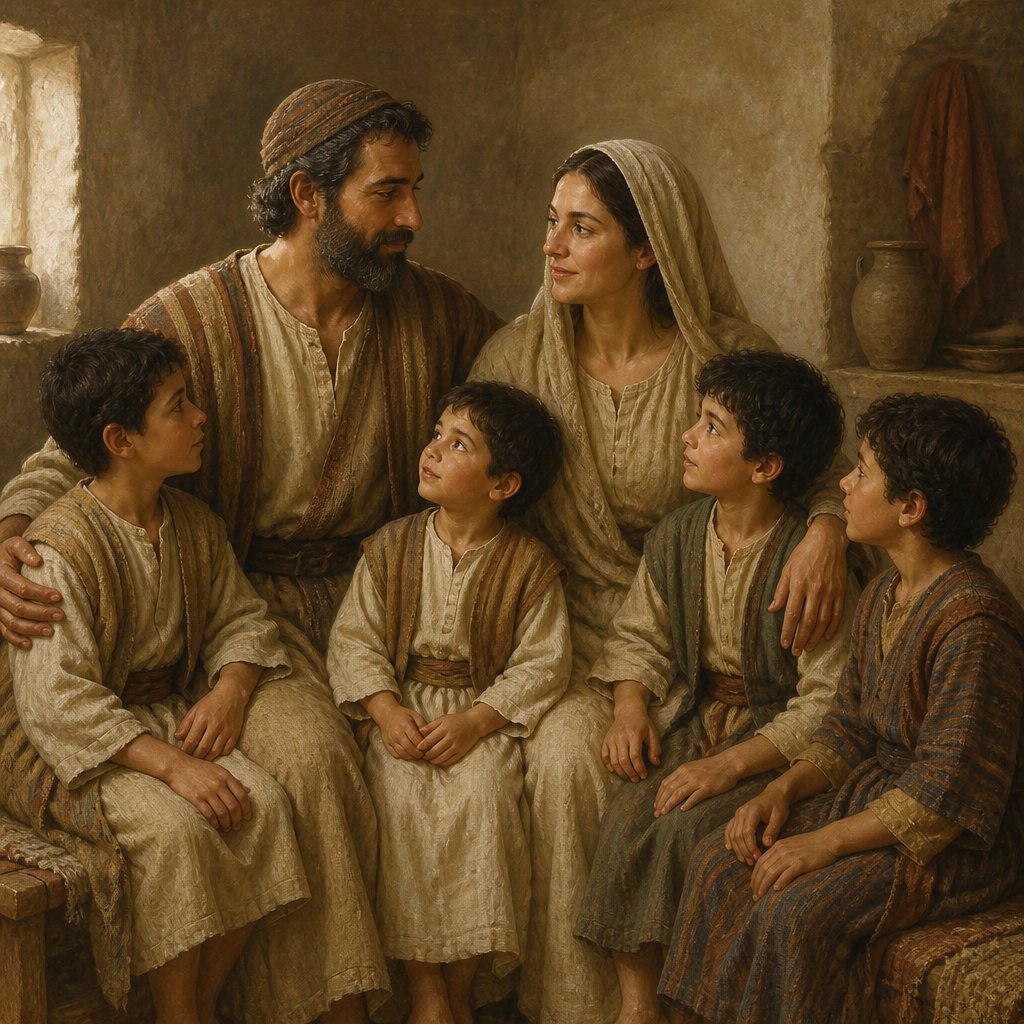
Exodus 6:23 in the King James Version reads, "And Aaron took him Elisheba, daughter of Amminadab, sister of Naashon, to wife; and she bare him Nadab, and Abihu, Eleazar, and Ithamar." This verse is part of a genealogical record found in the book of Exodus, specifically in the context of the account of Moses and Aaron's confrontation with Pharaoh and the subsequent liberation of the Israelites from slavery in Egypt. While on the surface, this verse may seem like a simple listing of ancestry, it holds much significance within the larger story and historical context of the Bible.
The genealogy presented in this verse is important for several reasons. First, it serves as a historical record of the lineage of the Levitical priesthood. Aaron, the brother of Moses, is the ancestor of the priestly line, and his descendants are listed here. This genealogy demonstrates the continuity and legitimacy of the priesthood, as it traces its origins back to the founding figures of the Israelite nation.
Furthermore, this verse also provides insight into the familial and social structures of ancient Israelite society. Marriage alliances, such as Aaron's union with Elisheba, were significant in establishing and maintaining social connections and reinforcing tribal solidarity. The mention of the father and brother of Elisheba, Amminadab and Naashon, also serves to place Aaron and his family within the wider context of the community, emphasizing their place within the larger Israelite community.
Symbolically, the mention of the children born to Aaron and Elisheba also holds theological significance. Nadab, Abihu, Eleazar, and Ithamar would go on to play important roles in the religious life of the Israelites, particularly in the establishment of the Tabernacle and the worship practices prescribed in the Mosaic law. Their names and roles represent the continuity and succession of the priestly lineage, as well as the interconnectedness of their family with the divine mandate given to Moses and Aaron.
The broader themes present in this verse include the importance of lineage and heritage in the formation of identity and community, as well as the role of family in the transmission of religious and cultural traditions. The passage also emphasizes the significance of the priesthood and the continuity of religious practices within the Israelite community.
In a larger theological context, this verse underscores the concept of God's faithfulness and promise-keeping. The line of Aaron and his descendants represents God's covenant with the Israelites, as their priestly duties were integral to the religious and sacrificial practices that maintained the covenant relationship between God and His people. This verse serves as a reminder of God's commitment to His chosen people and the fulfillment of His promises through the continuity of the priestly line.
In conclusion, Exodus 6:23 holds a deeper significance within the larger biblical narrative, offering insights into the familial, social, and theological aspects of ancient Israelite society. The genealogy presented in this verse serves as a historical record, emphasizing the continuity and legitimacy of the Levitical priesthood, as well as the interconnectedness of familial and community ties within the Israelite nation. Symbolically, it underscores the theological themes of God's faithfulness, promise-keeping, and the importance of lineage and heritage in the formation of identity and religious practice. Therefore, while seemingly a simple listing of names and relationships, Exodus 6:23 carries profound implications within the context of the biblical narrative.
Get our apps


Artwork for Exodus 6:23

Exodus 6:23 - "And Aaron took him Elisheba, daughter of Amminadab, sister of Naashon, to wife; and she bare him Nadab, and Abihu, Eleazar, and Ithamar."
"And Aaron took him Elisheba, daughter of Amminadab, sister of Naashon, to wife; and she bare him Nadab, and Abihu, Eleazar, and Ithamar." - Exodus 6:23

Exodus 23:6 - "Thou shalt not wrest the judgment of thy poor in his cause."
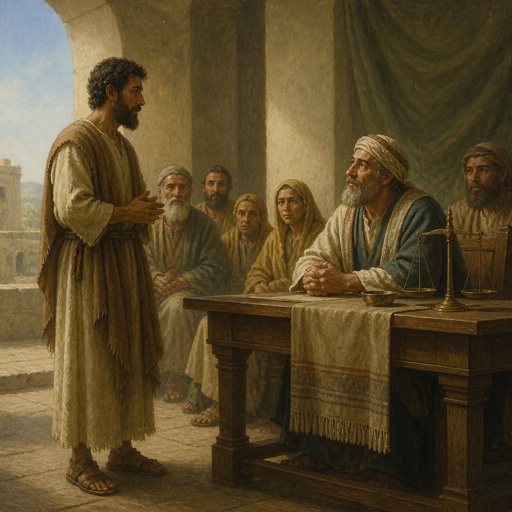
"Thou shalt not wrest the judgment of thy poor in his cause." - Exodus 23:6

Exodus 23:20

Exodus 23:4

Exodus 23:28

Exodus 15:23

Exodus 23:4
Exodus 15:23

Exodus 23:28

Exodus 23:27-28

Exodus 23:28-29

Matthew 6:23

Exodus 23:32 - "Thou shalt make no covenant with them, nor with their gods."

Exodus 23:23 - "For mine Angel shall go before thee, and bring thee in unto the Amorites, and the Hittites, and the Perizzites, and the Canaanites, the Hivites, and the Jebusites: and I will cut them off."

Exodus 17:6

Exodus 17:6

Exodus 17:6

Exodus 17:6

Exodus 21:23 - "And if any mischief follow, then thou shalt give life for life,"

Exodus 23:3 - "¶ Neither shalt thou countenance a poor man in his cause."

Exodus 26:23 - "And two boards shalt thou make for the corners of the tabernacle in the two sides."

Exodus 36:23 - "And he made boards for the tabernacle; twenty boards for the south side southward:"

Romans 6:23

Romans 6:23

Exodus 23:14 - "¶ Three times thou shalt keep a feast unto me in the year."

Genesis 23-6

Exodus 23:8 - "¶ And thou shalt take no gift: for the gift blindeth the wise, and perverteth the words of the righteous."

Exodus 8:23 - "And I will put a division between my people and thy people: to morrow shall this sign be."