What does Exodus 6:4 mean?
"And I have also established my covenant with them, to give them the land of Canaan, the land of their pilgrimage, wherein they were strangers." - Exodus 6:4
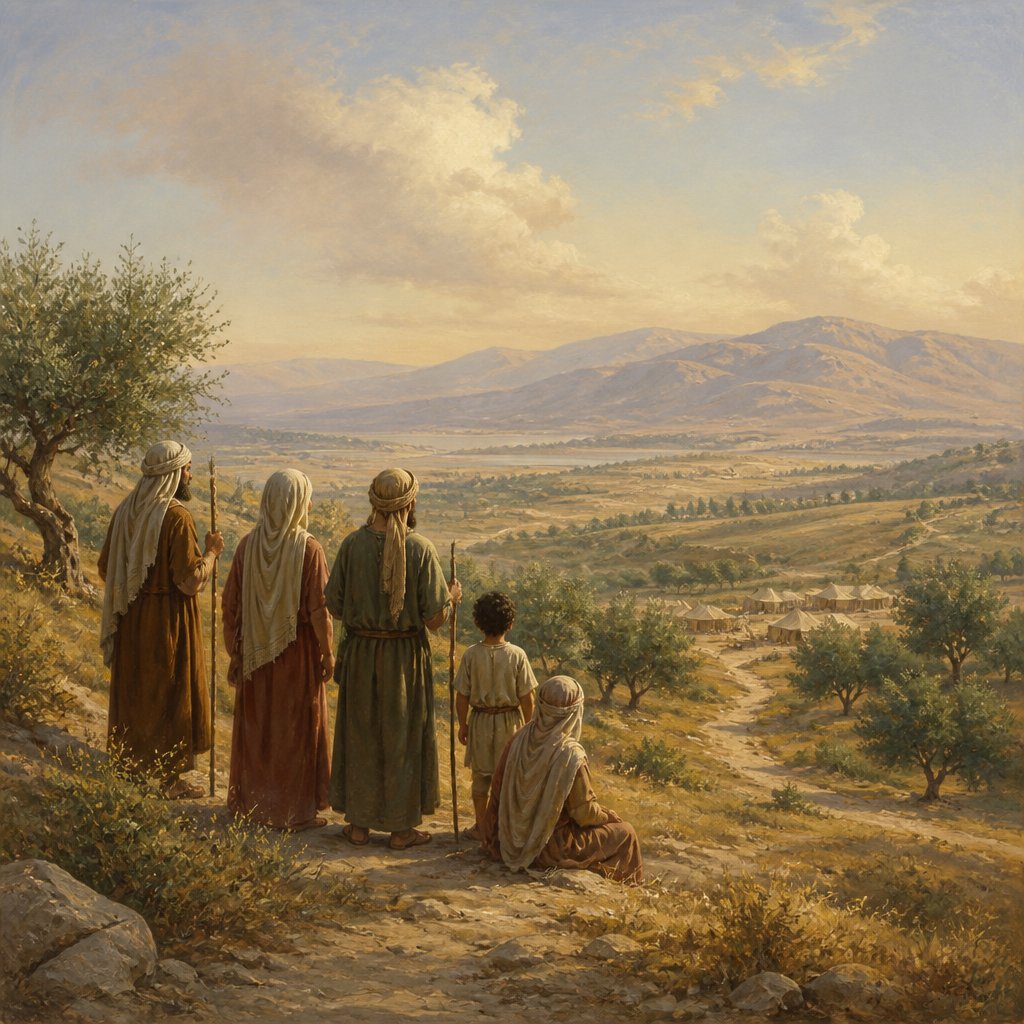
Exodus 6:4 in the King James Version (KJV) of the Bible states: "And I have also established my covenant with them, to give them the land of Canaan, the land of their pilgrimage, wherein they were strangers."
This verse is part of the narrative in the book of Exodus, which tells the story of the Hebrew exodus from Egypt and their journey to the Promised Land. This specific verse is part of God's promise to the Israelites, reaffirming the covenant He made with them and reassuring them of His plan to bring them to the land of Canaan.
The verse begins with the statement "And I have also established my covenant with them," which is a powerful declaration of God's commitment to His people. The word "covenant" is significant in the Bible as it represents a binding agreement between God and His chosen people. In this context, the covenant refers to the promise God made to Abraham and his descendants to give them the land of Canaan as their inheritance (Genesis 17:8).
The land of Canaan, also known as the Promised Land, holds great significance in the biblical narrative. It represents the fulfillment of God's promise and the culmination of the Israelites' journey. For the Israelites, the land of Canaan was not just a physical territory, but a symbol of God's faithfulness and provision. It was a place where they could establish themselves as a nation and worship God freely.
The verse also describes Canaan as "the land of their pilgrimage, wherein they were strangers." This reflects the Israelites' historical experience as wanderers and sojourners. It harkens back to their time in Egypt, where they were enslaved and lived as foreigners. The notion of pilgrimage suggests a spiritual journey, emphasizing the Israelites' dependence on God as they traveled through the wilderness towards their promised destination.
Furthermore, the concept of being strangers in a foreign land carries a deeper meaning in the biblical context. It highlights the Israelites' status as a chosen people, set apart by God for a specific purpose. It also serves as a reminder of God's deliverance and the importance of remaining faithful to Him, even in times of hardship and uncertainty.
In terms of themes, Exodus 6:4 reflects the themes of faithfulness, promise, and providence. It underscores God's unwavering commitment to His people and His faithfulness in fulfilling His promises. It also emphasizes the idea of divine providence, as God orchestrates the journey of the Israelites and provides for their needs along the way.
The verse carries a message of hope and encouragement for believers, reminding them of God's faithfulness in fulfilling His promises. It serves as a testament to His enduring love and commitment to His people, even in the midst of challenges and adversity.
Symbolically, the land of Canaan represents the ultimate fulfillment of God's promises and the blessings that come with obedience and faith. It signifies a place of rest, abundance, and divine favor. It also points to the broader biblical theme of salvation and the ultimate inheritance that awaits believers in the kingdom of God.
In conclusion, Exodus 6:4 is a poignant declaration of God's covenant with His people and His promise to bring them to the land of Canaan. It carries profound themes of faithfulness, provision, and divine fulfillment. As believers reflect on this verse, they are reminded of God's enduring love and His commitment to lead them to their own "Canaan" – a place of peace, fulfillment, and eternal blessings.
Have questions about Exodus 6:4?
Dive deeper into this scripture with Bible Chat — an AI-powered tool for exploring God's Word through conversation. Ask questions, get context, and grow in your understanding of the Bible.
Get Our Apps


Exodus 6:4 Artwork

Exodus 6:4 - "And I have also established my covenant with them, to give them the land of Canaan, the land of their pilgrimage, wherein they were strangers."
"And I have also established my covenant with them, to give them the land of Canaan, the land of their pilgrimage, wherein they were strangers." - Exodus 6:4

Exodus 4:6 - "¶ And the LORD said furthermore unto him, Put now thine hand into thy bosom. And he put his hand into his bosom: and when he took it out, behold, his hand was leprous as snow."
Exodus 17:6

Exodus 17:6

Exodus 17:6

Exodus 17:6

Exodus 23:4

Exodus 28:4

Exodus 28:4

Exodus 28:4

Exodus 28:4

Exodus 24:4

Exodus 23:4

Exodus 6:21 - "¶ And the sons of Izhar; Korah, and Nepheg, and Zichri."

Exodus 6:22 - "And the sons of Uzziel; Mishael, and Elzaphan, and Zithri."

Exodus 6:10 - "And the LORD spake unto Moses, saying,"

Exodus 4:1-5

Exodus 1:4 - "Dan, and Naphtali, Gad, and Asher."

Exodus 6:17 - "The sons of Gershon; Libni, and Shimi, according to their families."

Exodus 35:6 - "And blue, and purple, and scarlet, and fine linen, and goats' hair,"

Exodus 25:6 - "Oil for the light, spices for anointing oil, and for sweet incense,"

Exodus 1:6 - "And Joseph died, and all his brethren, and all that generation."

Exodus 33:6 - "And the children of Israel stripped themselves of their ornaments by the mount Horeb."

Exodus 6:24 - "And the sons of Korah; Assir, and Elkanah, and Abiasaph: these are the families of the Korhites."

Ephesians 4:4-6

Ephesians 4:4-6

Exodus 38:6 - "And he made the staves of shittim wood, and overlaid them with brass."

Exodus 23:6 - "Thou shalt not wrest the judgment of thy poor in his cause."

Ephesians 4:4-6