What does Exodus 6:9 mean?
"And Moses spake so unto the children of Israel: but they hearkened not unto Moses for anguish of spirit, and for cruel bondage." - Exodus 6:9
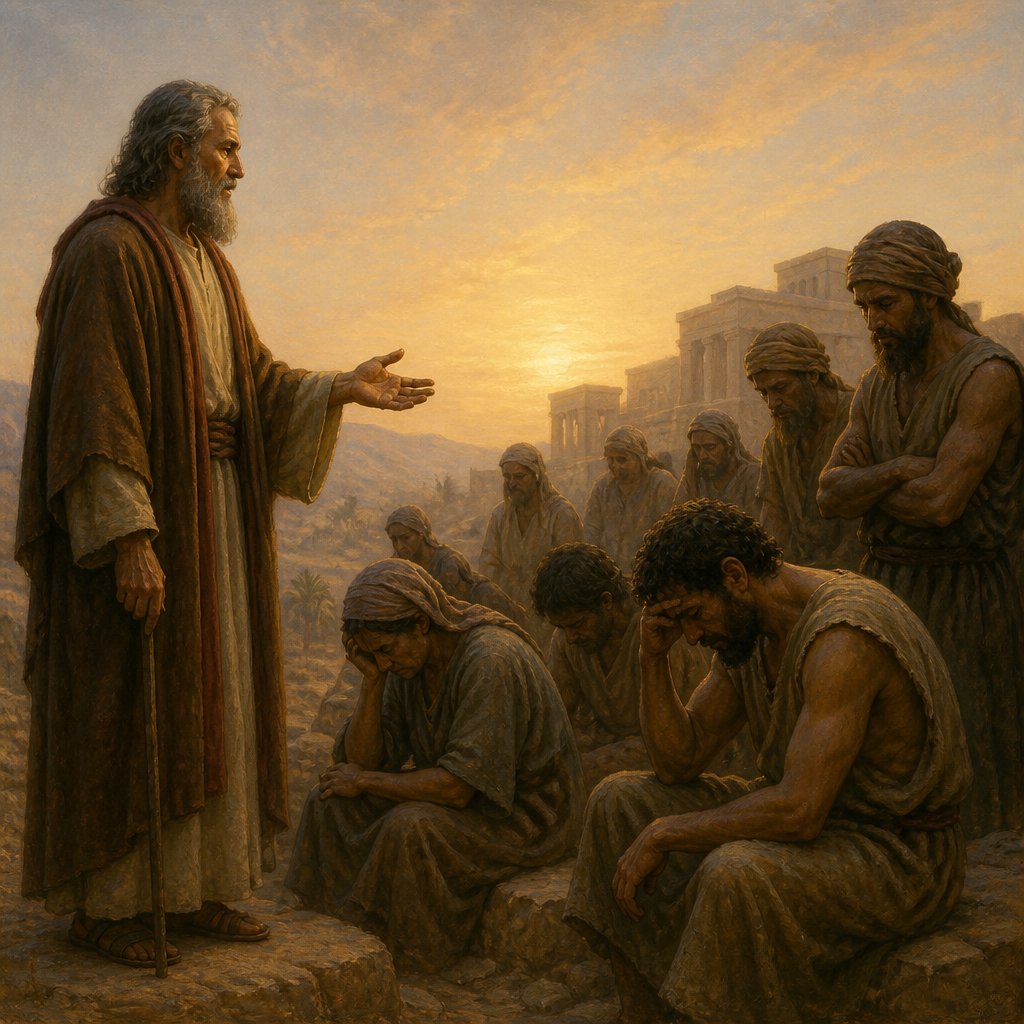
Exodus 6:9 in the King James Version of the Bible says, "And Moses spake so unto the children of Israel: but they hearkened not unto Moses for anguish of spirit, and for cruel bondage." This verse is part of the narrative in the book of Exodus, which describes the Israelites' oppression and eventual liberation from slavery in Egypt.
In this verse, Moses is addressing the Israelites, but they do not listen to him because of their "anguish of spirit" and "cruel bondage." This verse highlights the deep suffering and hopelessness that the Israelites experienced as slaves in Egypt. Despite Moses' attempts to encourage and inspire them, they are unable to see beyond their current circumstances.
The theme of bondage and suffering is central to the book of Exodus. The Israelites' enslavement in Egypt represents the physical, emotional, and spiritual oppression that can occur in the world. This verse demonstrates the profound impact of this oppression on the Israelites, as it causes them to be resistant to hope and encouragement.
The context of this verse is important for understanding its significance. Prior to this verse, Moses has been called by God to lead the Israelites out of bondage in Egypt. However, his initial attempts to convince the Israelites to follow him and trust in God's plan are met with resistance and disbelief. This verse serves as a reflection of the Israelites' state of mind at this time, as they struggle to find hope and faith in the midst of their suffering.
The symbolism in this verse is multi-faceted. The "anguish of spirit" represents the deep emotional and psychological pain that the Israelites are experiencing. It reflects their sense of hopelessness and despair in their situation. The "cruel bondage" symbolizes the physical and social oppression that they are subjected to as slaves in Egypt. Together, these symbols paint a vivid picture of the Israelites' plight and the challenges they face in breaking free from their circumstances.
This verse also serves as a reminder of the complex nature of human suffering and the impact it can have on individuals and communities. It speaks to the power of oppression to not only inflict physical harm but to also erode hope and resilience. The Israelites' inability to hearken to Moses' words is a testament to the depth of their suffering and the challenges they face in finding a way out of their bondage.
Ultimately, this verse sets the stage for the transformative journey that the Israelites will undertake as they are led out of Egypt by Moses. It highlights the need for resilience, faith, and perseverance in the face of adversity. It also serves as a reminder of the importance of empathy and understanding towards those who are suffering, as their anguish can have a profound impact on their ability to see beyond their current circumstances.
In conclusion, Exodus 6:9 is a poignant and powerful verse that captures the depth of the Israelites' suffering and the challenges they face in finding hope and faith in the midst of their bondage. It serves as a reminder of the impact of oppression on the human spirit and the need for resilience and empathy in the face of adversity. This verse sets the stage for the transformative journey that the Israelites will undertake, as they seek liberation and freedom from their suffering.
Have questions about Exodus 6:9?
Dive deeper into this scripture with Bible Chat — an AI-powered tool for exploring God's Word through conversation. Ask questions, get context, and grow in your understanding of the Bible.
Get Our Apps


Exodus 6:9 Artwork

Exodus 6:9 - "¶ And Moses spake so unto the children of Israel: but they hearkened not unto Moses for anguish of spirit, and for cruel bondage."
"¶ And Moses spake so unto the children of Israel: but they hearkened not unto Moses for anguish of spirit, and for cruel bondage." - Exodus 6:9
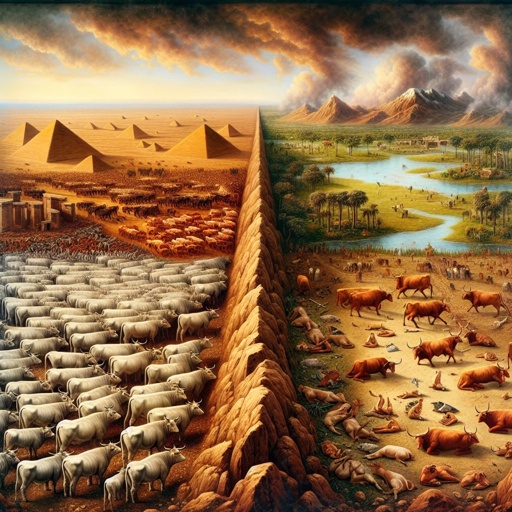
Exodus 9:6 - "And the LORD did that thing on the morrow, and all the cattle of Egypt died: but of the cattle of the children of Israel died not one."
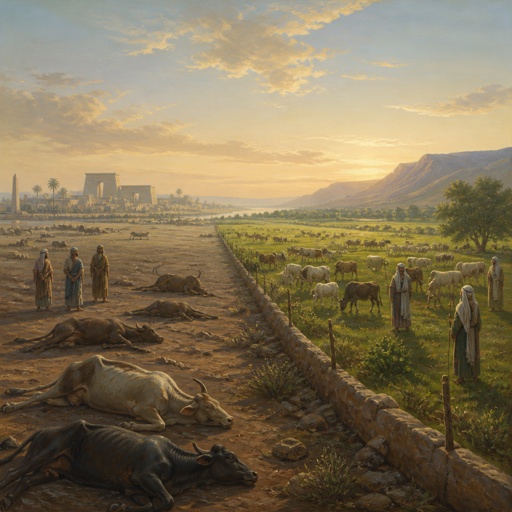
"And the LORD did that thing on the morrow, and all the cattle of Egypt died: but of the cattle of the children of Israel died not one." - Exodus 9:6

Exodus 40:9
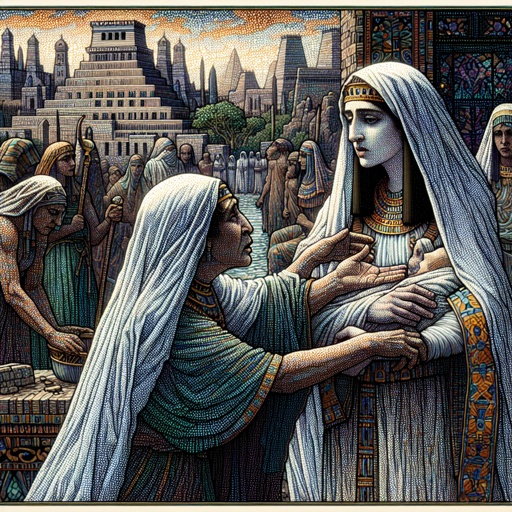
Exodus 2:9

Exodus 2:9

Exodus 17:6

Exodus 17:6

Exodus 17:6

Exodus 17:6

Exodus 24:9-11

Exodus 6:21 - "¶ And the sons of Izhar; Korah, and Nepheg, and Zichri."

Exodus 35:9 - "And onyx stones, and stones to be set for the ephod, and for the breastplate."

Exodus 6:22 - "And the sons of Uzziel; Mishael, and Elzaphan, and Zithri."

Exodus 6:10 - "And the LORD spake unto Moses, saying,"

Exodus 9:31 - "And the flax and the barley was smitten: for the barley was in the ear, and the flax was bolled."

Exodus 9:32 - "But the wheat and the rie were not smitten: for they were not grown up."

Exodus 6:17 - "The sons of Gershon; Libni, and Shimi, according to their families."

The Plague of Boils - Exodus 9:8-12

The Plague of Boils - Exodus 9:8-12

The Plague of Boils - Exodus 9:8-12.

The Plague of Boils - Exodus 9:8-12

The Plague of Hail - Exodus 9:13-35

The Plague of Hail - Exodus 9:13-35

The Plague of Boils - Exodus 9:8-12

The Plague on Livestock - Exodus 9:1-7

The Plague of Hail - Exodus 9:13-35

The Plague of Hail - Exodus 9:13-35

The Plague of Boils - Exodus 9:8-12