What does Exodus 7:20 mean?
"And Moses and Aaron did so, as the LORD commanded; and he lifted up the rod, and smote the waters that were in the river, in the sight of Pharaoh, and in the sight of his servants; and all the waters that were in the river were turned to blood." - Exodus 7:20
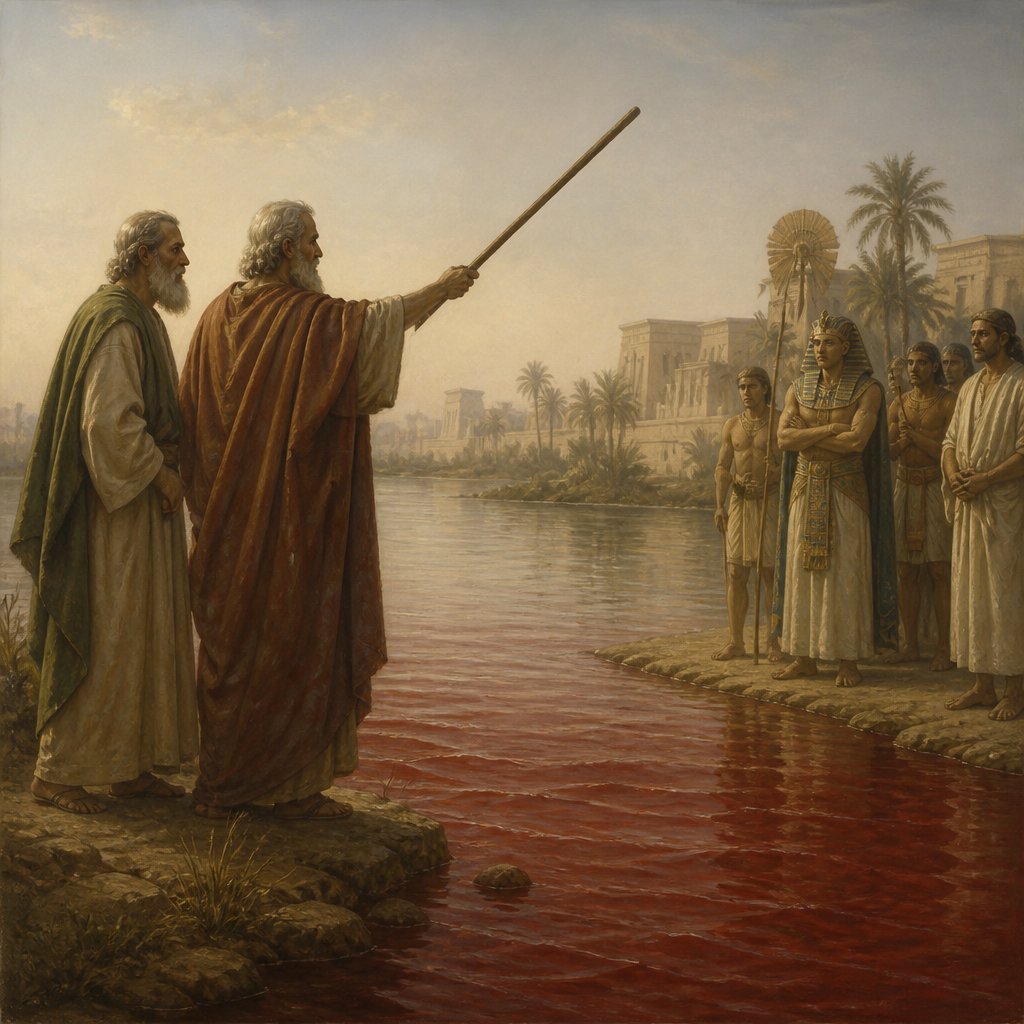
Exodus 7:20 (KJV) reads, "And Moses and Aaron did so, as the Lord commanded; and he lifted up the rod, and smote the waters that were in the river, in the sight of Pharaoh, and in the sight of his servants; and all the waters that were in the river were turned to blood."
This verse is part of the narrative of the ten plagues inflicted upon Egypt as a means of securing the freedom of the Israelites from their bondage. The plagues are a demonstration of God's power and authority, and they serve to prove to Pharaoh and the Egyptians that the God of Israel is the one true God.
This particular plague, the turning of the waters of the Nile into blood, is the first of the ten and sets the stage for the subsequent hardships that would befall the Egyptians. It is a dramatic and symbolic act, with the significance of blood being a powerful and evocative image in biblical context. Blood represents life, but it is also a symbol of judgment and punishment. In this case, the turning of the Nile into blood is a sign of God's judgment upon Egypt for their mistreatment of the Israelites and refusal to let them go.
One significant aspect of this verse is the obedience of Moses and Aaron to the command of the Lord. They follow God's instructions without hesitation, demonstrating their faith and trust in His power. This act of obedience and faith sets the stage for the miraculous events that follow and highlights the importance of submitting to God's will.
The visibility of the miracle is also noteworthy. The transformation of the Nile into blood is performed "in the sight of Pharaoh, and in the sight of his servants," making it impossible for them to deny the power of God. This public display of divine authority serves as a direct challenge to the Egyptian gods and demonstrates the superiority of the God of Israel.
The symbolism of the Nile river itself is significant in this context. The Nile was not only a vital source of water and fertility for the land of Egypt, but it was also worshiped as a deity. By turning the river into blood, God is not only affirming His own power but also dismantling the false worship and power structures of the Egyptians.
In a broader context, the plagues of Egypt and the subsequent liberation of the Israelites are emblematic of God's faithfulness to His people and His willingness to intervene on their behalf. The plagues serve as a demonstration of God's sovereignty over the natural elements and His ability to use them to accomplish His purposes. They also serve as a warning to those who oppose God and mistreat His people, illustrating that ultimately, God will not be mocked, and justice will be served.
The story of the ten plagues also carries themes of redemption, deliverance, and the fulfillment of God's promises. It is a powerful testament to the faithfulness and power of God, and a reminder that He is always working behind the scenes to accomplish His will, even in the midst of seemingly insurmountable obstacles.
Overall, Exodus 7:20 is a pivotal verse in the narrative of the ten plagues, demonstrating the obedience of God's servants, the visible display of God's power, and the symbolic significance of the miraculous events that unfolded. It serves as a reminder of God's sovereignty, His faithfulness to His people, and the ultimate triumph of His purposes.
Have questions about Exodus 7:20?
Dive deeper into this scripture with Bible Chat — an AI-powered tool for exploring God's Word through conversation. Ask questions, get context, and grow in your understanding of the Bible.
Get Our Apps


Exodus 7:20 Artwork

Exodus 7:20 - "And Moses and Aaron did so, as the LORD commanded; and he lifted up the rod, and smote the waters that were in the river, in the sight of Pharaoh, and in the sight of his servants; and all the waters that were in the river were turned to blood."
"And Moses and Aaron did so, as the LORD commanded; and he lifted up the rod, and smote the waters that were in the river, in the sight of Pharaoh, and in the sight of his servants; and all the waters that were in the river were turned to blood." - Exodus 7:20

Exodus 20:7 - "Thou shalt not take the name of the LORD thy God in vain; for the LORD will not hold him guiltless that taketh his name in vain."

Exodus 23:20

Exodus 20:2

Exodus 27:20

Exodus 27:20

Exodus 27:20

Exodus 20:14

Exodus 20:15 - "Thou shalt not steal."

Exodus 20:13 - "Thou shalt not kill."

Exodus 27:19-20

Exodus 19:16-20

Exodus 20:14 - "Thou shalt not commit adultery."

Exodus 20:1 - "And God spake all these words, saying,"

Exodus 20:8 - "Remember the sabbath day, to keep it holy."
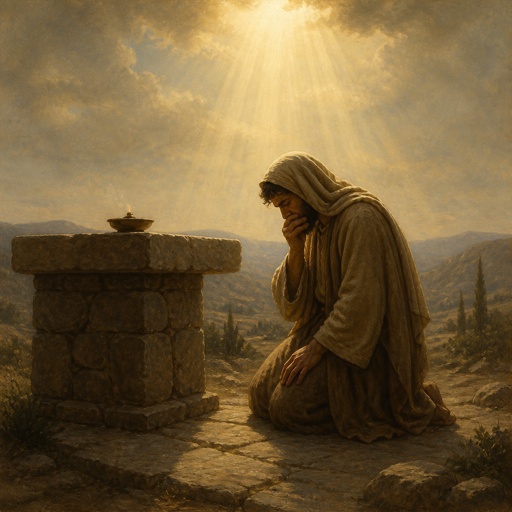
"Thou shalt not take the name of the LORD thy God in vain; for the LORD will not hold him guiltless that taketh his name in vain." - Exodus 20:7

Exodus 7:10

Exodus 7:10

Exodus 12:7

Exodus 12:7

Exodus 20:20 - "And Moses said unto the people, Fear not: for God is come to prove you, and that his fear may be before your faces, that ye sin not."

Exodus 20:3 - "Thou shalt have no other gods before me."

The Plague of Locusts - Exodus 10:1-20

The Plague of Locusts - Exodus 10:1-20

The Plague of Flies - Exodus 8:20-32

The Plague of Locusts - Exodus 10:1-20

The Plague of Locusts - Exodus 10:1-20

The Plague of Locusts - Exodus 10:1-20

The Plague of Flies - Exodus 8:20-32.