What does Exodus 7:12 mean?
“For they cast down every man his rod, and they became serpents: but Aaron’s rod swallowed up their rods.” — Exodus 7:12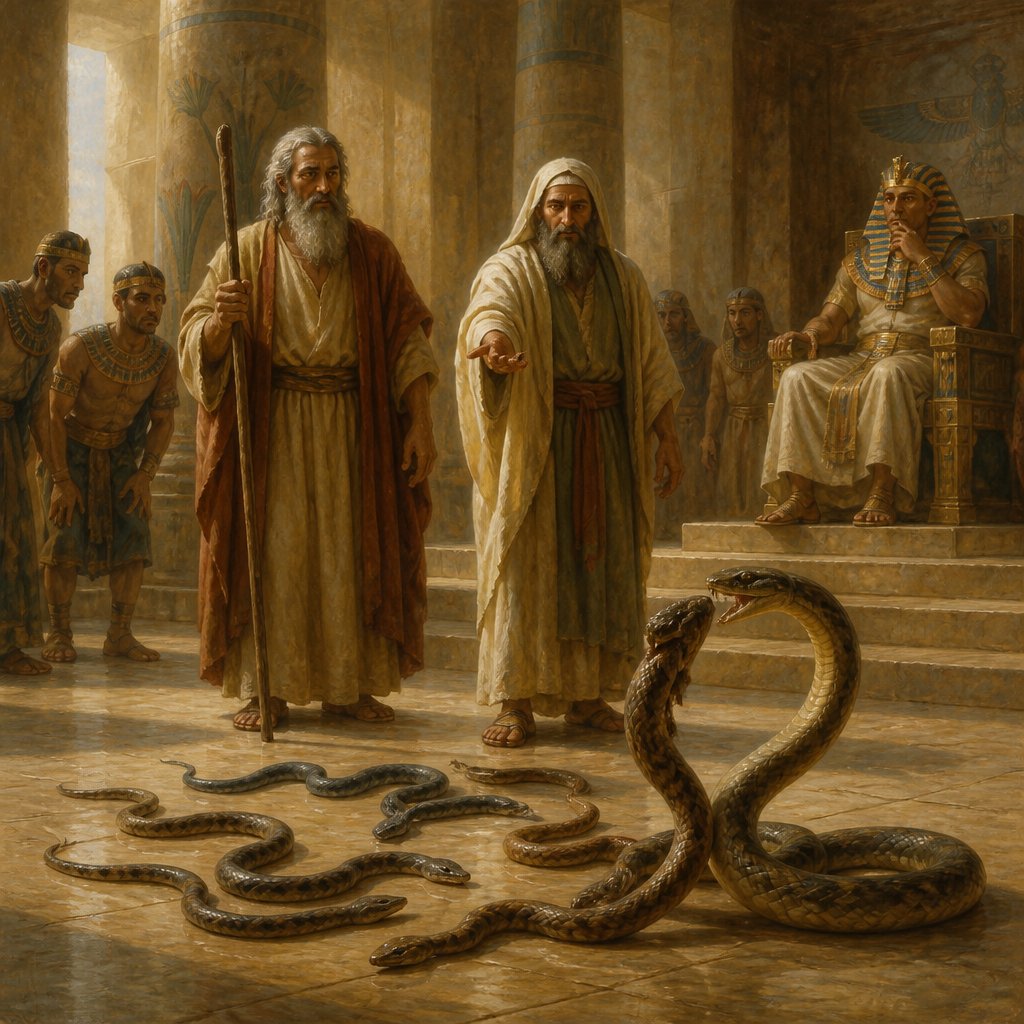
Exodus 7:12 (KJV) reads, "For they cast down every man his rod, and they became serpents: but Aaron's rod swallowed up their rods."
This verse is part of the narrative of the ten plagues of Egypt, which God used to demonstrate His power and to compel Pharaoh to release the Israelites from their slavery. The particular incident described in this verse is the first of the ten plagues: the turning of Aaron's rod into a serpent, which then swallowed up the serpents created by the Egyptian magicians.
The deeper meaning of this verse can be understood in several ways. Firstly, it serves as a demonstration of God's supremacy over the false gods of Egypt. In the ancient Egyptian religion, serpents were often associated with protection and were considered symbols of royalty and divine authority. By turning Aaron's rod, representing the power of God, into a serpent that swallowed the serpents created by the magicians, God showed His superiority over the deities and symbols of the Egyptian pantheon. This event was a direct challenge to the authority and power of Pharaoh, as well as the religious and cultural beliefs of the Egyptian people.
Furthermore, the transformation of the rods into serpents also represents a symbolic battle between good and evil, with the serpent commonly being associated with cunning and deceit in the Bible. Throughout the biblical narrative, the serpent is often used as a symbol of temptation and sin, beginning with the serpent in the Garden of Eden. In this context, the transformation of the rods into serpents can be seen as a representation of the spiritual warfare between God and the forces of darkness, ultimately culminating in the victory of God's power and truth over the deceptive tactics of the enemy.
The swallowing of the serpents by Aaron's rod can also be interpreted as a foreshadowing of the ultimate triumph of God's chosen people over their oppressors. This event serves as a prelude to the eventual liberation of the Israelites from their bondage in Egypt, as well as a demonstration of the divine authority that will ultimately lead to their deliverance.
In a broader sense, this verse also contains themes of faith and obedience. Throughout the Exodus narrative, Moses and Aaron are called to demonstrate unwavering faith and trust in God, even in the face of seemingly insurmountable obstacles. By following God's instructions and casting down their rods, they exhibited obedience and faith in the power of God to demonstrate His authority. This serves as a reminder to believers of the importance of remaining steadfast in their faith, even when confronted with opposition and doubt.
In summary, Exodus 7:12 is a pivotal verse in the biblical narrative of the ten plagues of Egypt, serving as a demonstration of God's supremacy over the false gods of Egypt, a symbolic battle between good and evil, and a foreshadowing of the ultimate triumph of God's chosen people. It also contains themes of faith and obedience, serving as a reminder to believers of the importance of unwavering trust in the power and authority of God.
Get our apps


Artwork for Exodus 7:12

Exodus 7:12 - "For they cast down every man his rod, and they became serpents: but Aaron's rod swallowed up their rods."
"For they cast down every man his rod, and they became serpents: but Aaron's rod swallowed up their rods." - Exodus 7:12

Exodus 12:7

Exodus 12:7

Exodus 12:7 - "And they shall take of the blood, and strike it on the two side posts and on the upper door post of the houses, wherein they shall eat it."

Exodus 12:12

Exodus 3:12

Exodus 3:12

Exodus 3:12

Exodus 3:12

Exodus 3:12

Exodus 12:33

Exodus 10:12
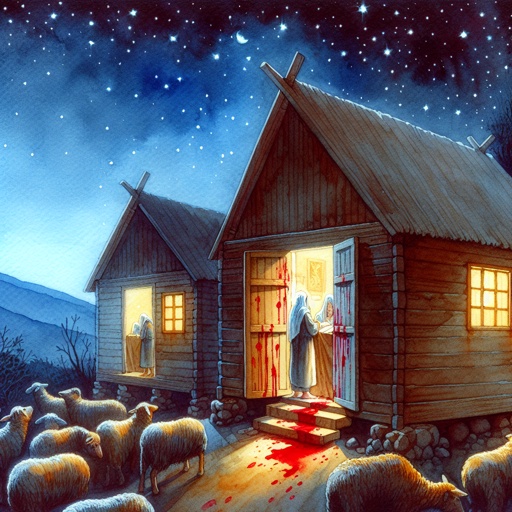
Exodus 12:13

Exodus 10:12

Exodus 10:12

Exodus 3:12

Exodus 3:12
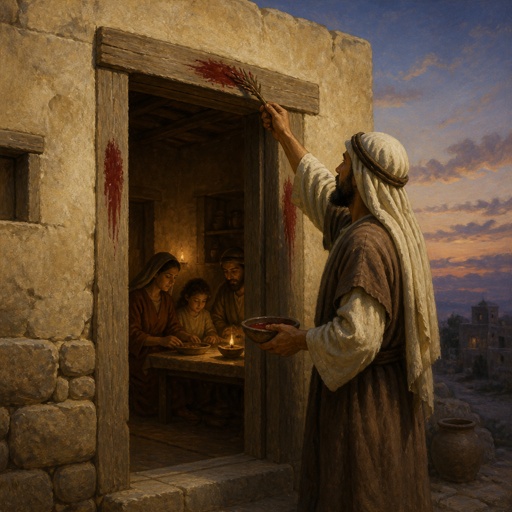
"And they shall take of the blood, and strike it on the two side posts and on the upper door post of the houses, wherein they shall eat it." - Exodus 12:7

Exodus 7:10

Exodus 7:10

Exodus 12:1-19

Exodus 7:14-24

Exodus 39:12 - "And the third row, a ligure, an agate, and an amethyst."

Exodus 31:12 - "¶ And the LORD spake unto Moses, saying,"

Exodus 12:47 - "All the congregation of Israel shall keep it."

Exodus 12:45 - "A foreigner and an hired servant shall not eat thereof."

Exodus 7:7 - "And Moses was fourscore years old, and Aaron fourscore and three years old, when they spake unto Pharaoh."

Exodus 35:12 - "The ark, and the staves thereof, with the mercy seat, and the vail of the covering,"

Exodus 25:7 - "Onyx stones, and stones to be set in the ephod, and in the breastplate."