What does Exodus 8:25 mean?
“And Pharaoh called for Moses and for Aaron, and said, Go ye, sacrifice to your God in the land.” — Exodus 8:25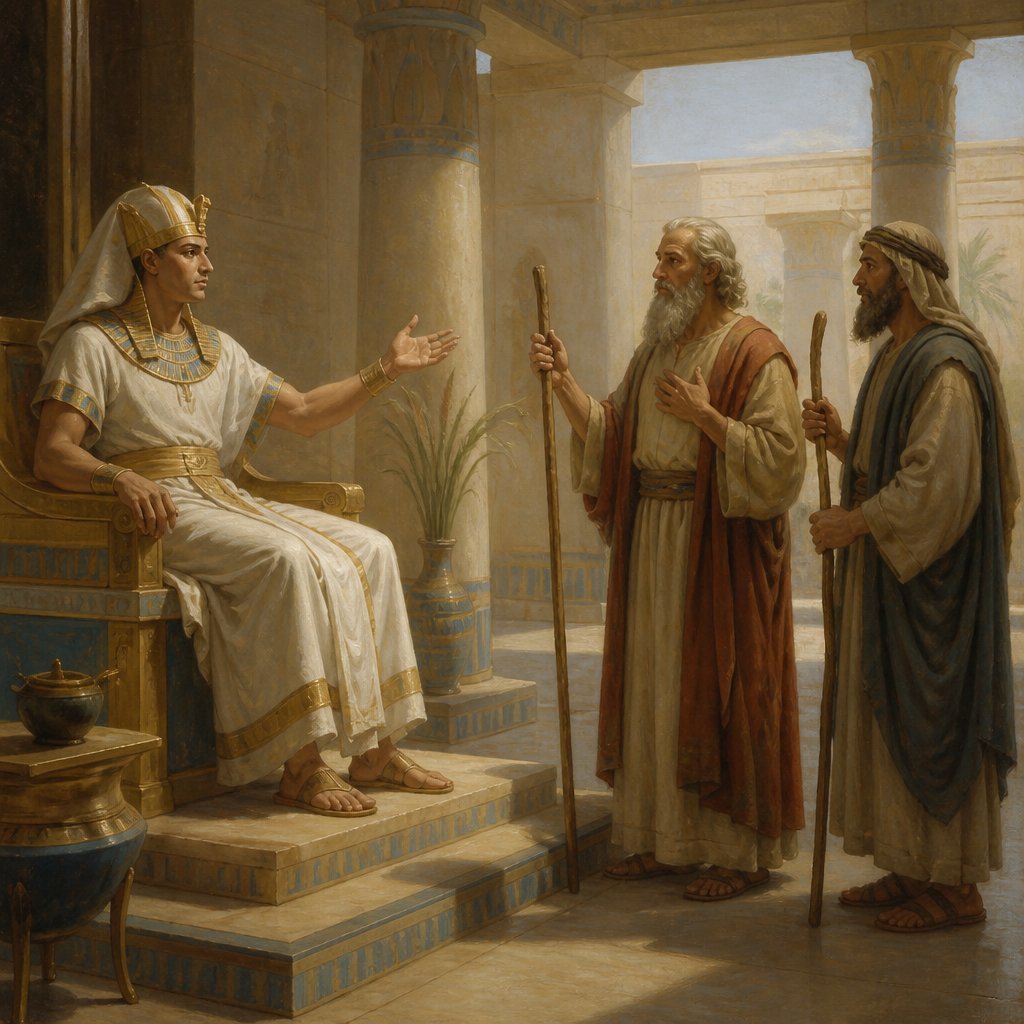
Exodus 8:25 (KJV)
"And Pharaoh called for Moses and for Aaron, and said, Go ye, sacrifice to your God in the land."
This verse is part of the story of the ten plagues of Egypt, a key event in the book of Exodus. The plagues represent the power of God and His ability to deliver the Israelites from oppression. At this point in the story, Moses and Aaron have been sent by God to demand the release of the Israelite people from slavery in Egypt. Pharaoh, the ruler of Egypt, is resistant to this demand and refuses to let the Israelites go. In the verse preceding the one in question, Pharaoh is beginning to show signs of relenting to the demands of Moses and Aaron.
The verse carries several themes, including the resilience of faith and obedience to God, the struggle between good and evil, and the unwavering power of God. It also highlights the concept of sacrifice and worship to God. In this particular verse, Pharaoh, in a moment of weakness, offers a compromise to Moses and Aaron. He allows them to sacrifice to their God but insists that they do so within the land of Egypt, rather than allowing them to leave the country to worship.
This sets the stage for the continuing conflict between Pharaoh and God, as Pharaoh's refusal to release the Israelites leads to the rest of the plagues and ultimately the Israelites' successful departure from Egypt.
The context of this verse is important for understanding its significance. The Israelites have been enslaved in Egypt for generations and have longed for freedom. God has chosen Moses and Aaron to be His instruments of deliverance for the Israelites. The demand for the release of the Israelite people is not just a political or social issue; it is a spiritual battle between God and the forces of oppression and evil. Pharaoh's resistance to God's demands represents the refusal of many people to acknowledge and submit to the authority of God.
The symbolism in this verse is rich and significant. Pharaoh's offer for the Israelites to sacrifice to their God in the land of Egypt is a form of compromise. It represents the temptation to compromise one's faith and obedience to God in the face of opposition. Moses and Aaron's rejection of Pharaoh's offer represents their unwavering commitment to God and His commandments, even in the face of adversity.
The concept of sacrifice is also crucial in this verse. Sacrifice is a central theme in the Bible, representing the giving of oneself to God and the surrendering of one's will to His. Pharaoh's attempt to limit the Israelites' sacrifice to within the land of Egypt is a reflection of his desire to maintain control and prevent them from fully committing to the worship of their God.
Overall, Exodus 8:25 is a powerful and pivotal verse in the story of the Israelites' exodus from Egypt. It encapsulates the themes of faith, obedience, sacrifice, and the struggle between good and evil. It serves as a reminder of the importance of remaining steadfast in one's commitment to God, even in the face of opposition and compromise. It also highlights the unwavering power of God and His ability to deliver His people from oppression.
Get our apps


Artwork for Exodus 8:25

Exodus 8:25 - "And Pharaoh called for Moses and for Aaron, and said, Go ye, sacrifice to your God in the land."
"And Pharaoh called for Moses and for Aaron, and said, Go ye, sacrifice to your God in the land." - Exodus 8:25

Exodus 25:8

Exodus 25:8 - "And let them make me a sanctuary; that I may dwell among them."
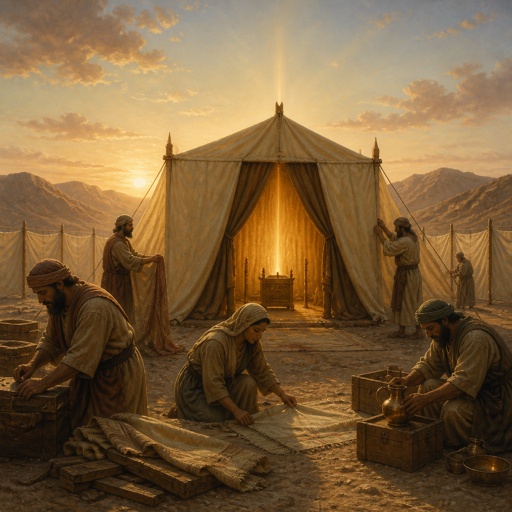
"And let them make me a sanctuary; that I may dwell among them." - Exodus 25:8

Exodus 25:16

Exodus 25:31

Exodus 25:16

Exodus 25:16

Exodus 25:10-22

Exodus 25:1 - "And the LORD spake unto Moses, saying,"

Exodus 25:7 - "Onyx stones, and stones to be set in the ephod, and in the breastplate."

Exodus 21:25 - "Burning for burning, wound for wound, stripe for stripe."

Exodus 25:38 - "And the tongs thereof, and the snuffdishes thereof, shall be of pure gold."

Exodus 25:4 - "And blue, and purple, and scarlet, and fine linen, and goats' hair,"

Exodus 25:6 - "Oil for the light, spices for anointing oil, and for sweet incense,"

Exodus 25:25 - "And thou shalt make unto it a border of an hand breadth round about, and thou shalt make a golden crown to the border thereof round about."

Exodus 25:15 - "The staves shall be in the rings of the ark: they shall not be taken from it."

Exodus 25:31-40 This is an oil lampstand.

Exodus 40:25 - "And he lighted the lamps before the LORD; as the LORD commanded Moses."

Exodus 25:39 - "Of a talent of pure gold shall he make it, with all these vessels."

Exodus 25:5 - "And rams' skins dyed red, and badgers' skins, and shittim wood,"

numbers 25:8

numbers 25:8

Genesis 25-8

Exodus 7:25 - "And seven days were fulfilled, after that the LORD had smitten the river."

Exodus 25:3 - "And this is the offering which ye shall take of them; gold, and silver, and brass,"

Exodus 25:27 - "Over against the border shall the rings be for places of the staves to bear the table."

Exodus 25:30 - "And thou shalt set upon the table shewbread before me alway."

Exodus 19:25 - "So Moses went down unto the people, and spake unto them."