What does Exodus 8:4 mean?
“And the frogs shall come up both on thee, and upon thy people, and upon all thy servants.” — Exodus 8:4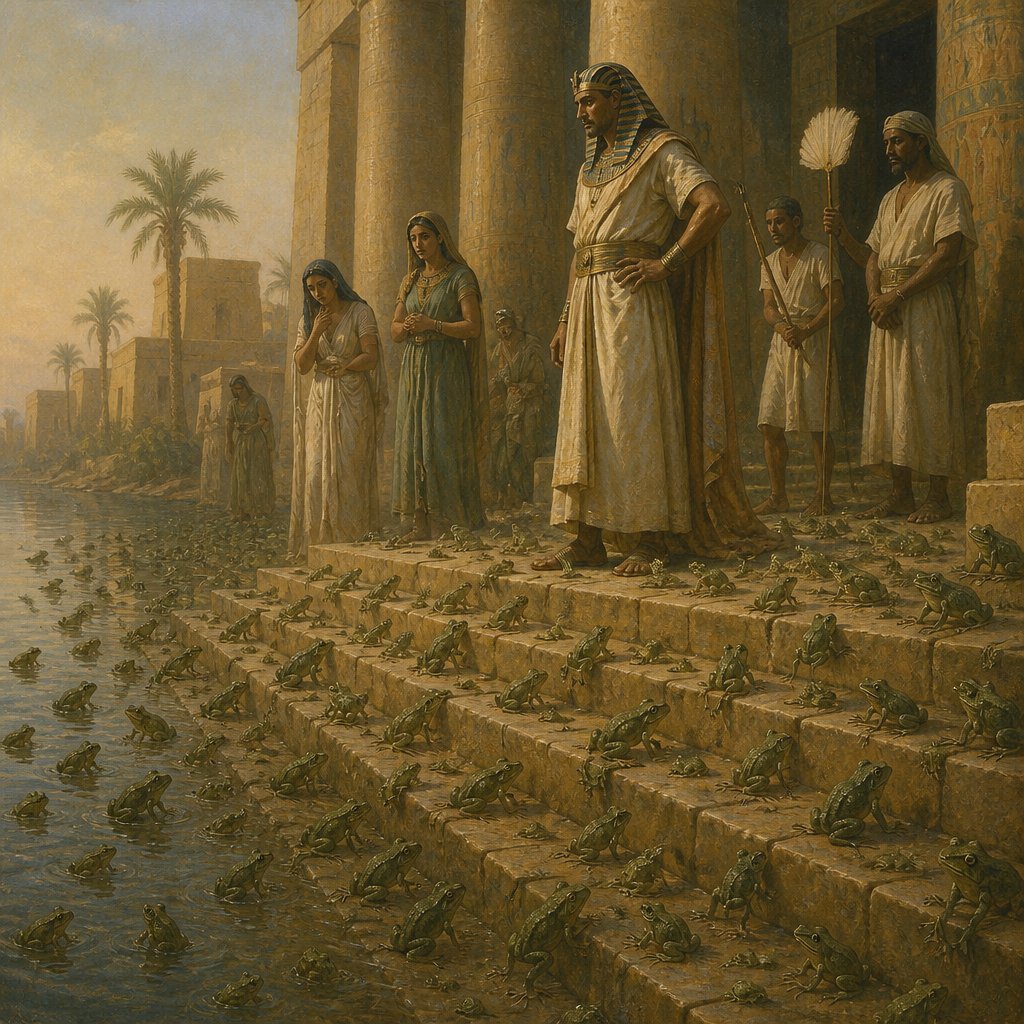
Exodus 8:4 in the King James Version of the Bible reads: "And the frogs shall come up both on thee, and upon thy people, and upon all thy servants." This verse is part of the narrative of the plagues that God inflicts upon Egypt in order to persuade Pharaoh to let the Israelites go.
To fully understand the meaning and significance of Exodus 8:4, it is important to consider its context within the larger story of the book of Exodus. This verse is part of the account of the second plague, in which God sends a great multitude of frogs to infest the land of Egypt. The plague of frogs was a sign of God's power and a judgment against the Egyptians for their mistreatment of the Israelites.
The theme of judgment and the display of God's power is central to this verse and the broader narrative of the plagues. Each plague served as a demonstration of God's authority and as a warning to Pharaoh to release the Israelites from bondage. The frogs were not only a nuisance to the Egyptians, but a symbol of the power of God over creation. This theme of divine authority and power is a recurring motif throughout the book of Exodus, as God intervenes on behalf of his people and displays his supremacy over the false gods of Egypt.
Another important theme in this verse is the concept of divine justice. The plagues served as a form of retribution for the suffering and oppression endured by the Israelites at the hands of the Egyptians. The frogs, along with the other plagues, were a tangible manifestation of God's displeasure with the cruel treatment of his people. This theme of justice reinforces the idea that God is actively involved in the affairs of humanity and will hold oppressors accountable for their actions.
The symbolism of the frogs in this verse also carries significant meaning. Frogs were a symbol of fertility and abundance in ancient Egyptian culture. By sending an overwhelming abundance of frogs, God was subverting this symbol to convey a message of chaos and judgment. The frogs were a disruption to the normal order of life in Egypt, emphasizing the disruptive and transformative nature of God's intervention.
The broader context of the plagues and the exodus narrative also points to the larger theme of liberation and redemption. The plagues were a prelude to the eventual release of the Israelites from bondage and their journey to the Promised Land. Through these miraculous events, God was not only demonstrating his power, but also fulfilling his promise to deliver his people from oppression and lead them to freedom.
In summary, Exodus 8:4 is a verse that is rich in theological themes and symbolism. It serves as a powerful reminder of God's authority, justice, and redemptive power. The narrative of the plagues is a testament to the ongoing relationship between God and humanity, and the ways in which God intervenes in the world to bring about justice and liberation. As such, this verse holds deep significance within the broader biblical narrative, and continues to resonate with readers as a powerful expression of God's sovereignty and care for his people.
Get our apps


Artwork for Exodus 8:4

Exodus 8:4 - "And the frogs shall come up both on thee, and upon thy people, and upon all thy servants."
"And the frogs shall come up both on thee, and upon thy people, and upon all thy servants." - Exodus 8:4

Exodus 4:8 - "And it shall come to pass, if they will not believe thee, neither hearken to the voice of the first sign, that they will believe the voice of the latter sign."

Exodus 25:8
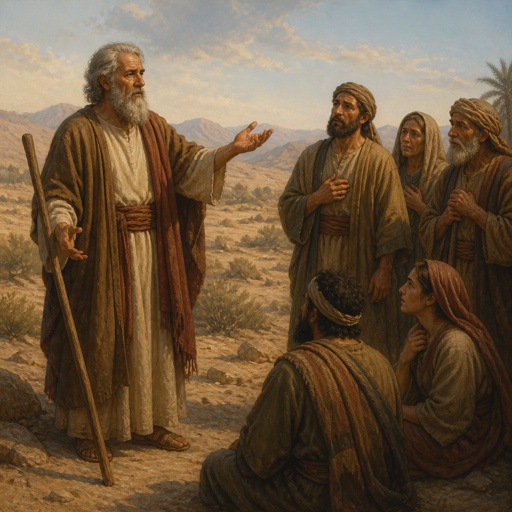
"And it shall come to pass, if they will not believe thee, neither hearken to the voice of the first sign, that they will believe the voice of the latter sign." - Exodus 4:8

Exodus 27:1-8

Exodus 8:1-15

Exodus 23:4

Exodus 28:4

Exodus 28:4

Exodus 28:4

Exodus 28:4

Exodus 24:4

Exodus 23:4

Exodus 17:8 - "¶ Then came Amalek, and fought with Israel in Rephidim."

Exodus 20:8 - "Remember the sabbath day, to keep it holy."

Exodus 4:1-5

Exodus 1:4 - "Dan, and Naphtali, Gad, and Asher."

Exodus 7:8 - "¶ And the LORD spake unto Moses and unto Aaron, saying,"

Exodus 8:14 - "And they gathered them together upon heaps: and the land stank."

Exodus 35:8 - "And oil for the light, and spices for anointing oil, and for the sweet incense,"

Exodus 8:30 - "And Moses went out from Pharaoh, and intreated the LORD."

The Plague of Frogs - Exodus 8:1-15

The Plague of Boils - Exodus 9:8-12

The Plague of Flies - Exodus 8:20-32

The Plague of Boils - Exodus 9:8-12

The Plague of Frogs - Exodus 8:1-15

The Plague of Frogs - Exodus 8:1-15

The Plague of Boils - Exodus 9:8-12

The Plague of Boils - Exodus 9:8-12