What does Exodus 9:12 mean?
"And the LORD hardened the heart of Pharaoh, and he hearkened not unto them; as the LORD had spoken unto Moses." - Exodus 9:12
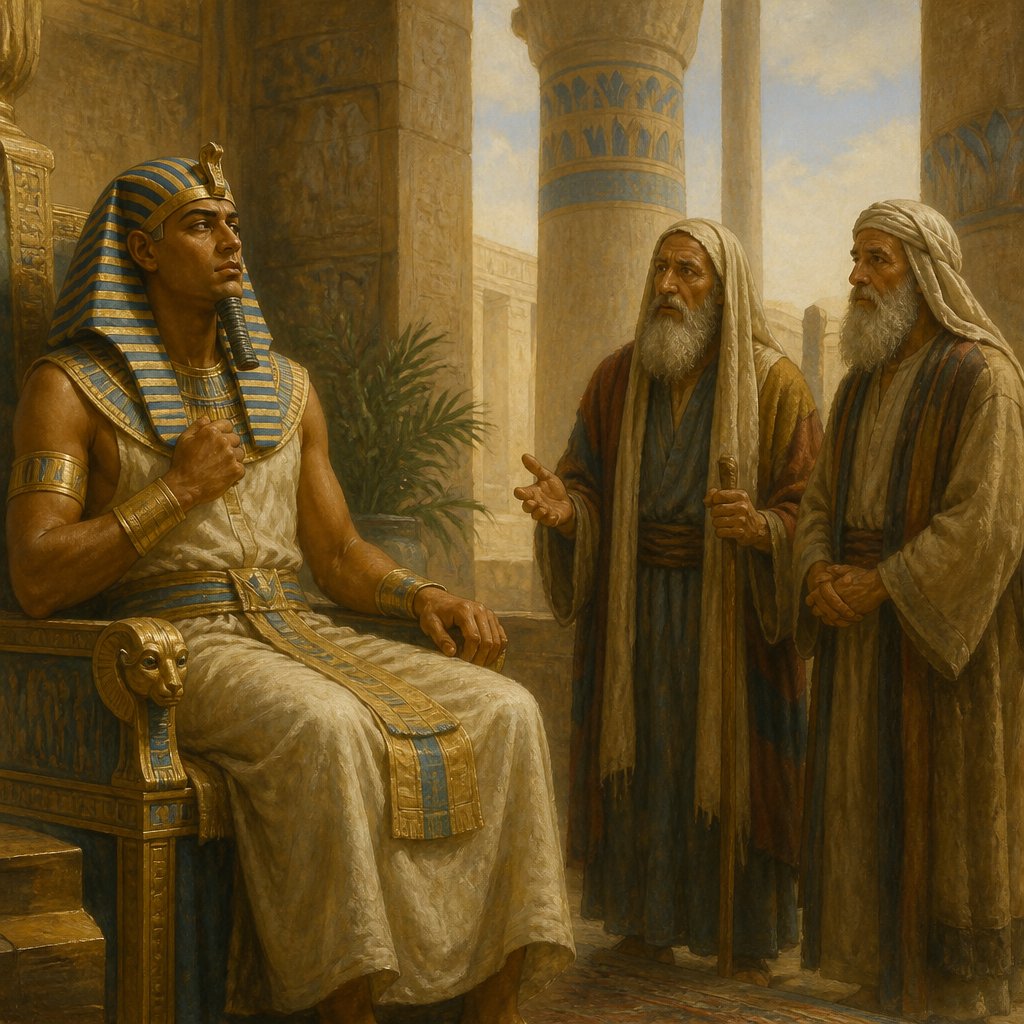
Exodus 9:12 in the King James Version of the Bible reads, "And the Lord hardened the heart of Pharaoh, and he hearkened not unto them; as the Lord had spoken unto Moses." This verse is part of the larger narrative in the book of Exodus, which describes the Israelites' journey from slavery in Egypt to freedom and the fulfillment of God's covenant with them.
The context of this passage is essential to understanding its significance. In the preceding verses, God has been sending plagues upon Egypt as a means of convincing Pharaoh to release the Israelites from bondage. Each time a plague is brought upon the land, Pharaoh initially agrees to let the Israelites go, only to change his mind after the plague has been lifted. In this particular verse, the hardening of Pharaoh's heart is a significant moment in the narrative, as it marks a turning point in the relationship between Pharaoh and the Israelites.
One of the key themes in this verse is the concept of free will and divine intervention. The hardening of Pharaoh's heart is a controversial and often debated topic in theological discussions. Some interpret it as a literal action taken by God to prevent Pharaoh from changing his mind and letting the Israelites go. Others argue that it is a metaphorical expression of Pharaoh's own stubbornness and refusal to heed the signs and warnings from God. Regardless of the interpretation, the verse raises questions about the limits of human agency and the role of God in influencing the decisions of individuals.
The hardening of Pharaoh's heart also raises questions about the nature of divine justice and punishment. Throughout the book of Exodus, God is depicted as a powerful and righteous force, bringing plagues and devastation upon Egypt as a means of securing the liberation of the Israelites. The hardening of Pharaoh's heart can be seen as a form of divine retribution for his refusal to release the Israelites, as well as a means of demonstrating God's absolute authority over the rulers of the earth. This raises complex ethical and theological questions about the nature of suffering and the use of power by divine beings.
In addition to its thematic significance, this verse also carries symbolic and metaphorical meaning. The hardening of Pharaoh's heart can be interpreted as a symbol of the spiritual blindness and moral obstinacy that can afflict individuals and societies. It serves as a cautionary tale about the dangers of pride, arrogance, and resistance to divine guidance. The consequences of Pharaoh's hardened heart are catastrophic, leading to further suffering and devastation for the people of Egypt.
The verse also highlights the role of Moses as a mediator between God and the people of Israel. Throughout the book of Exodus, Moses serves as God's representative, delivering his messages and warnings to Pharaoh and leading the Israelites through their trials and tribulations. The hardening of Pharaoh's heart reinforces Moses' position as a prophet and leader, as well as his crucial role in fulfilling God's plan for the liberation of his chosen people.
Overall, Exodus 9:12 is a crucial and thought-provoking verse within the larger narrative of the book of Exodus. It raises fundamental questions about the nature of divine intervention, free will, justice, and the consequences of human actions. It serves as a powerful reminder of the complexities of the relationship between God and humanity, and the enduring significance of this ancient text in shaping our understanding of faith and morality.
Have questions about Exodus 9:12?
Dive deeper into this scripture with Bible Chat — an AI-powered tool for exploring God's Word through conversation. Ask questions, get context, and grow in your understanding of the Bible.
Get Our Apps


Exodus 9:12 Artwork

Exodus 9:12 - "And the LORD hardened the heart of Pharaoh, and he hearkened not unto them; as the LORD had spoken unto Moses."
"And the LORD hardened the heart of Pharaoh, and he hearkened not unto them; as the LORD had spoken unto Moses." - Exodus 9:12

The Plague of Boils - Exodus 9:8-12

The Plague of Boils - Exodus 9:8-12

The Plague of Boils - Exodus 9:8-12

The Plague of Boils - Exodus 9:8-12

The Plague of Boils - Exodus 9:8-12.

The Plague of Boils - Exodus 9:8-12

The Plague of Boils - Exodus 9:8-12

The Plague of Boils - Exodus 9:8-12

Exodus 12:12

"Eat not of it raw, nor sodden at all with water, but roast with fire; his head with his legs, and with the purtenance thereof." - Exodus 12:9

Exodus 3:12

Exodus 3:12

Exodus 3:12

Exodus 3:12

Exodus 3:12

Exodus 12:33

Exodus 10:12

Exodus 12:7

Exodus 12:13

Exodus 10:12

Exodus 10:12

Exodus 3:12

Exodus 3:12

Exodus 12:7

Exodus 40:9
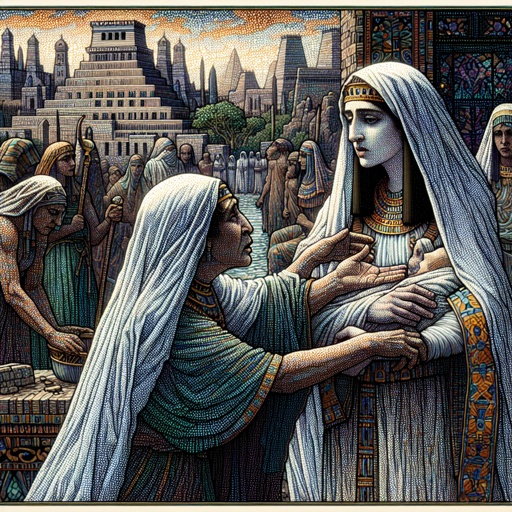
Exodus 2:9

Exodus 2:9

Exodus 12:1-19