What does Exodus 9:23 mean?
“And Moses stretched forth his rod toward heaven: and the LORD sent thunder and hail, and the fire ran along upon the ground; and the LORD rained hail upon the land of Egypt.” — Exodus 9:23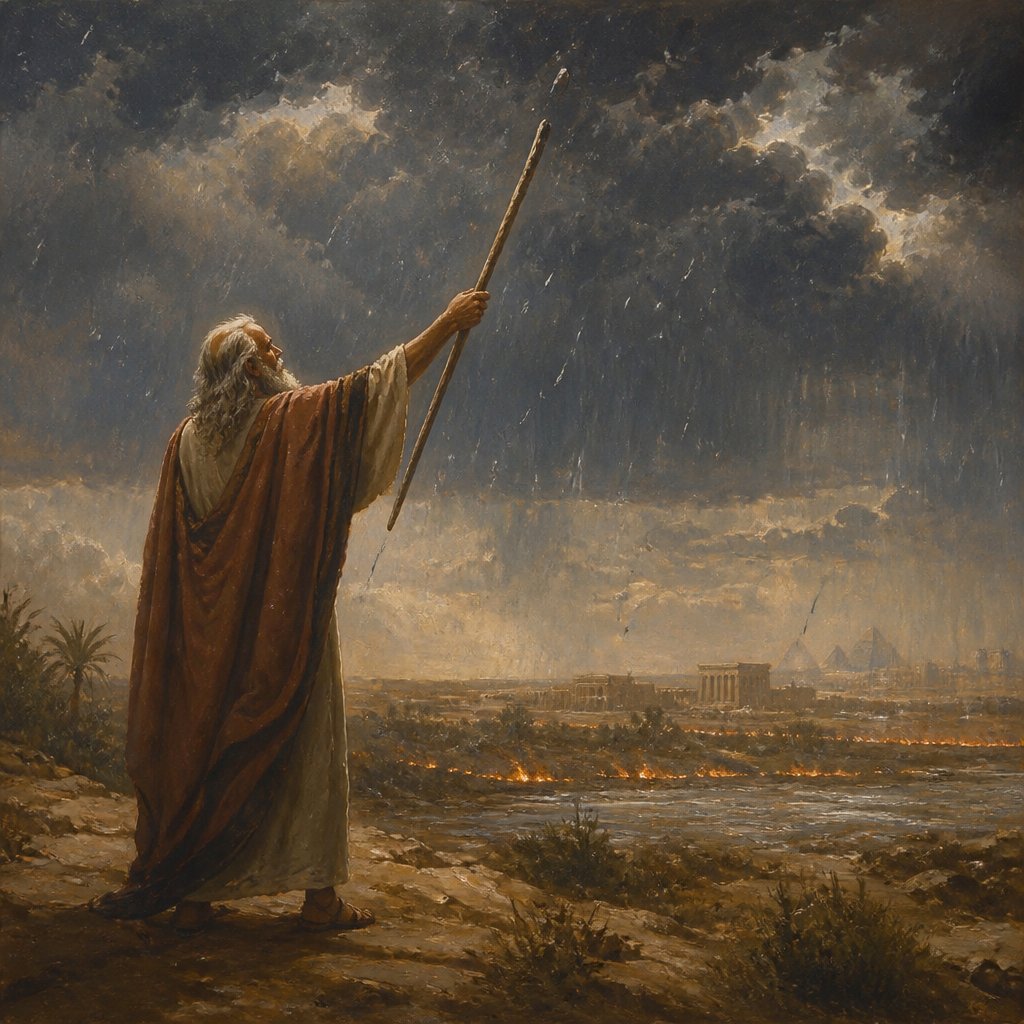
Exodus 9:23 states, "And Moses stretched forth his rod toward heaven: and the LORD sent thunder and hail, and the fire ran along upon the ground; and the LORD rained hail upon the land of Egypt."
This verse is a part of the story of the ten plagues of Egypt, which are detailed in the book of Exodus. The plagues were a series of divine punishments unleashed on the Egyptians by God through Moses and Aaron, in order to force the release of the Israelites from slavery. The plagues were seen as a testament to the power and judgment of God, and they were meant to demonstrate his superiority over the gods of Egypt as well as to prove his favor and protection over the Israelites.
In this particular verse, we see the seventh plague, which is a devastating hailstorm. The text describes Moses stretching forth his rod toward heaven, indicating his act of invoking the power of God. The response from the LORD is swift and powerful, as thunder and hail are sent down upon the land of Egypt. The hail is described as accompanied by fire, which could be interpreted as lightning or possibly actual fire. This combination of elements creates a fearsome and destructive force that ravages the land.
The symbolism and themes present in this verse are quite profound. The concept of nature being manipulated and controlled by a higher power is central to the understanding of the passage. The use of natural elements such as hail, fire, and thunder as tools of divine intervention highlights the power and sovereignty of God. It also serves as a warning to those who oppose his will, as the destructive force of the hailstorm is a direct result of Pharaoh's refusal to release the Israelites.
The symbolism of the hail and fire can also be seen as a reflection of God's judgment and punishment. The hailstorm, with its dual nature of ice and fire, represents the dual nature of God's justice and mercy. While the hail brings destruction and devastation, the fire symbolizes the purifying and refining aspect of God's judgment. This demonstrates that God's punishment is not arbitrary, but rather a necessary part of the process of redemption and restoration.
Furthermore, the hail and fire are also symbols of God's power over creation. In many ancient cultures, natural phenomena such as storms and weather were often seen as expressions of the will of the gods. In this case, the hail and fire are not simply random occurrences, but rather deliberate acts of divine intervention. This serves to reaffirm the belief in the Israelite God as the one true and almighty deity, with power over all aspects of existence.
The context of the verse within the larger narrative of the plagues is also important to consider. The plagues were a demonstration of God's authority and a means of persuading Pharaoh to release the Israelites. Each plague was not simply a random act of destruction, but rather a targeted response to the oppression and cruelty inflicted upon the Israelites. The hailstorm, in particular, was a direct assault on the wealth and prosperity of the Egyptians, as it destroyed their crops and livestock. This further emphasizes the theme of divine justice and retribution for the sins of the oppressors.
In conclusion, Exodus 9:23 is a powerful and evocative passage that carries multiple layers of symbolism and meaning. It serves as a testament to the power and authority of God, as well as a warning of the consequences of opposing his will. The imagery of the hail and fire, along with their destructive and purifying qualities, conveys the complex nature of God's judgment and mercy. This verse is a poignant reminder of the enduring significance and impact of the biblical narrative, as it continues to inspire and provoke contemplation on the timeless themes of faith, justice, and divine sovereignty.
Get our apps


Artwork for Exodus 9:23

Exodus 9:23 - "And Moses stretched forth his rod toward heaven: and the LORD sent thunder and hail, and the fire ran along upon the ground; and the LORD rained hail upon the land of Egypt."
"And Moses stretched forth his rod toward heaven: and the LORD sent thunder and hail, and the fire ran along upon the ground; and the LORD rained hail upon the land of Egypt." - Exodus 9:23
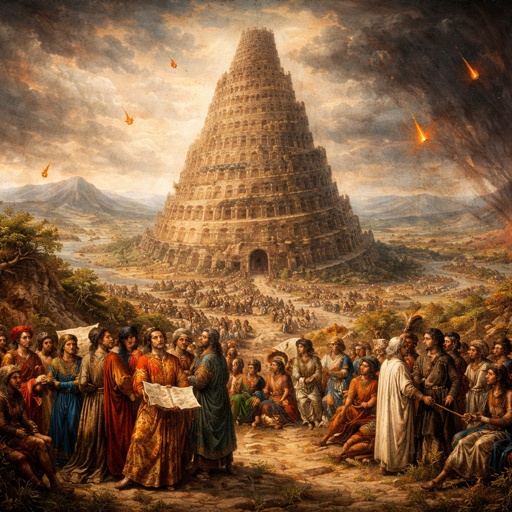
Different races of people being all over the Earth with the tower of Babel in the middle with the verse “So the Lord scattered them from there over all the earth, and they stopped building the city. That is why it was called Babel—because there the Lord confused the language of the whole world. From there the Lord scattered them over the face of the whole earth. (Genesis 11:8-9)” Hail and fire balls falling from the sky in a dark storm and destroying Egypt. It is burning buildings and crops. Include the verse “When Moses stretched out his staff toward the sky, the Lord sent thunder and hail, and lightning flashed down to the ground. So the Lord rained hail on the land of Egypt; hail fell and lightning flashed back and forth. It was the worst storm in all the land of Egypt since it had become a nation. Throughout Egypt hail struck everything in the fields—both people and animals; it beat down everything growing in the fields and stripped every tree. (Exodus 9:23-25)”

Exodus 23:9 - "¶ Also thou shalt not oppress a stranger: for ye know the heart of a stranger, seeing ye were strangers in the land of Egypt."

Exodus 23:20

Exodus 23:4

Exodus 23:28

Exodus 15:23

Exodus 23:4
Exodus 15:23

Exodus 23:28

Exodus 23:27-28
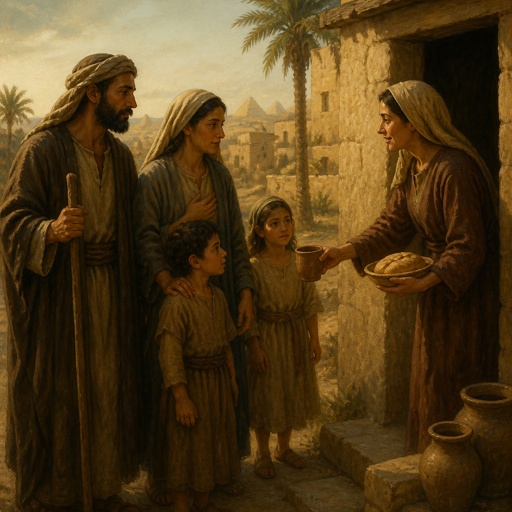
"¶ Also thou shalt not oppress a stranger: for ye know the heart of a stranger, seeing ye were strangers in the land of Egypt." - Exodus 23:9

Exodus 23:28-29

Exodus 23:32 - "Thou shalt make no covenant with them, nor with their gods."

Exodus 40:9
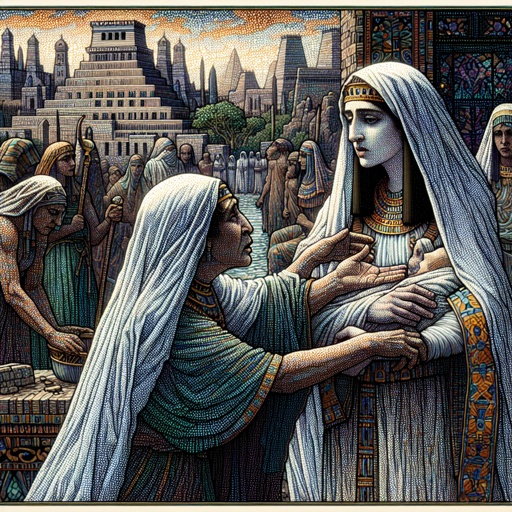
Exodus 2:9

Exodus 2:9

Exodus 23:6 - "Thou shalt not wrest the judgment of thy poor in his cause."

Exodus 23:23 - "For mine Angel shall go before thee, and bring thee in unto the Amorites, and the Hittites, and the Perizzites, and the Canaanites, the Hivites, and the Jebusites: and I will cut them off."

Genesis 23-9

Exodus 21:23 - "And if any mischief follow, then thou shalt give life for life,"

Exodus 23:3 - "¶ Neither shalt thou countenance a poor man in his cause."

Exodus 26:23 - "And two boards shalt thou make for the corners of the tabernacle in the two sides."

Exodus 36:23 - "And he made boards for the tabernacle; twenty boards for the south side southward:"

Exodus 24:9-11

Exodus 23:14 - "¶ Three times thou shalt keep a feast unto me in the year."

Exodus 23:8 - "¶ And thou shalt take no gift: for the gift blindeth the wise, and perverteth the words of the righteous."

Exodus 8:23 - "And I will put a division between my people and thy people: to morrow shall this sign be."

Exodus 39:23 - "And there was an hole in the midst of the robe, as the hole of an habergeon, with a band round about the hole, that it should not rend."