What does Exodus 9:24 mean?
“So there was hail, and fire mingled with the hail, very grievous, such as there was none like it in all the land of Egypt since it became a nation.” — Exodus 9:24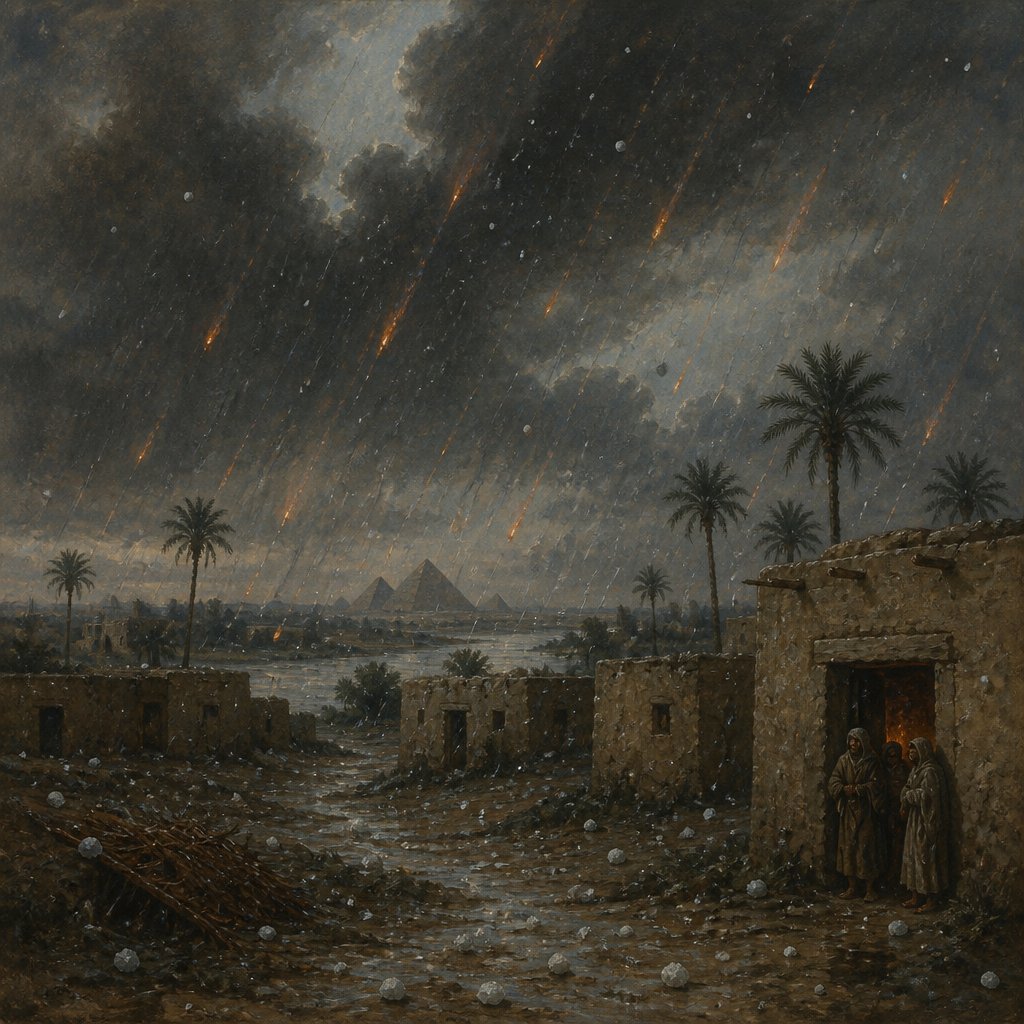
Exodus 9:24 - So there was hail, and fire mingled with the hail, very grievous, such as there was none like it in all the land of Egypt since it became a nation.
This verse comes from the Book of Exodus, which tells the story of the Israelites' escape from slavery in Egypt. In this particular verse, God sends a plague of hail and fire upon the land of Egypt as a punishment for Pharaoh's refusal to release the Israelites. This is one of the ten plagues that God brings upon the Egyptians in order to convince Pharaoh to let the Israelites go. The plagues are a demonstration of God's power and his determination to deliver his people from oppression.
The hail and fire that are mingled together are described as "very grievous" and unlike anything that had ever been seen before in Egypt. This is a powerful and dramatic manifestation of God's wrath, and it serves as a clear sign of his authority and ability to bring about divine justice. The use of both hail and fire in this plague is significant, as hail is often associated with destruction and judgment, while fire is a symbol of purification and divine presence. The combination of these elements emphasizes the severity and magnitude of the plague, and it conveys the idea that God's wrath is all-encompassing and unstoppable.
The context of this verse is important for understanding its significance within the larger narrative of the Book of Exodus. The plagues are a central part of the story, as they serve as a dramatic showdown between God and the Egyptian gods, as well as a means of demonstrating to the Israelites and the Egyptians alike that Yahweh, the God of Israel, is the one true God. The plagues also serve as a test of Pharaoh's willingness to submit to God's authority and release the Israelites. The fact that God is willing to unleash such devastating and unprecedented plagues on the land of Egypt underscores the seriousness of the situation and the urgency of the Israelites' deliverance.
In addition to its historical and narrative significance, this verse can also be interpreted in a symbolic or allegorical sense. The hail and fire that God sends upon Egypt can be seen as a representation of the forces of nature and divine power, and the mingling of the two elements suggests a blending of judgment and purification. This can be understood as a metaphor for the transformative and purifying nature of God's actions, and as a reminder of the need to acknowledge and submit to his authority.
In terms of broader themes, Exodus 9:24 is part of a larger pattern of God's justice and mercy in the face of human disobedience and oppression. The plagues are a demonstration of God's willingness to intervene on behalf of his people and to hold oppressors accountable for their actions. They also serve as a reminder of the consequences of sin and the importance of repentance and obedience.
Overall, Exodus 9:24 is a powerful and evocative verse that captures the dramatic and awe-inspiring nature of God's intervention in the world. It serves as a reminder of God's power and authority, as well as his willingness to act on behalf of his people. Its placement within the larger narrative of the Book of Exodus and its symbolic significance contribute to its enduring relevance and impact.
Get our apps


Artwork for Exodus 9:24

Exodus 9:24 - "So there was hail, and fire mingled with the hail, very grievous, such as there was none like it in all the land of Egypt since it became a nation."
"So there was hail, and fire mingled with the hail, very grievous, such as there was none like it in all the land of Egypt since it became a nation." - Exodus 9:24

Exodus 24:9-11

Exodus 24:9 - "¶ Then went up Moses, and Aaron, Nadab, and Abihu, and seventy of the elders of Israel:"
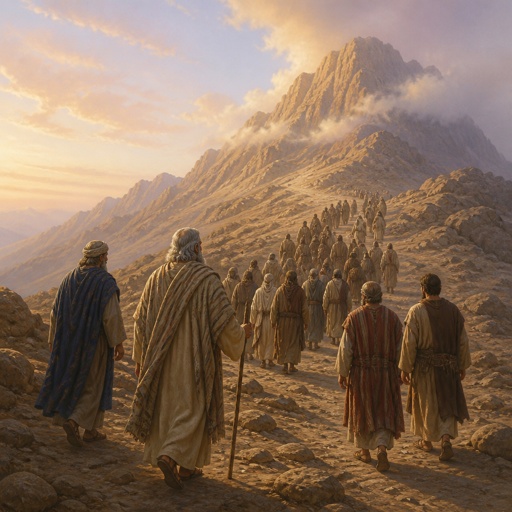
"¶ Then went up Moses, and Aaron, Nadab, and Abihu, and seventy of the elders of Israel:" - Exodus 24:9

Exodus 24:16

Exodus 24:17

Exodus 24:4

Exodus 7:14-24

Exodus 6:24 - "And the sons of Korah; Assir, and Elkanah, and Abiasaph: these are the families of the Korhites."

Exodus 24:15 - "And Moses went up into the mount, and a cloud covered the mount."

The Plague of Blood - Exodus 7:14-24

The Plague of Blood - Exodus 7:14-24

The Plague of Blood - Exodus 7:14-24

The Plague of Blood - Exodus 7:14-24

Exodus 40:9
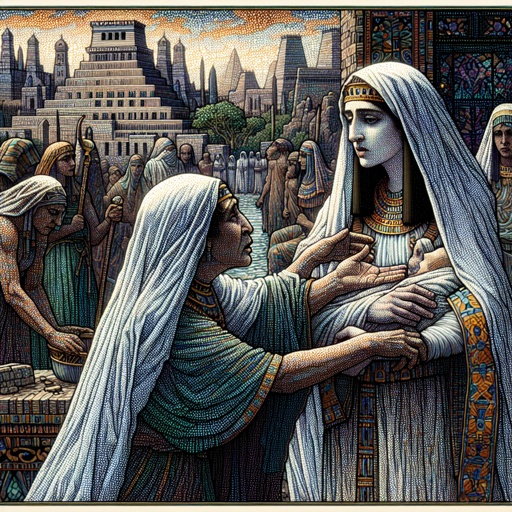
Exodus 2:9

Exodus 2:9

Exodus 21:24 - "Eye for eye, tooth for tooth, hand for hand, foot for foot,"

Exodus 37:24 - "Of a talent of pure gold made he it, and all the vessels thereof."

Genesis 24-9

Exodus 12:24 - "And ye shall observe this thing for an ordinance to thee and to thy sons for ever."

Exodus 15:24 - "And the people murmured against Moses, saying, What shall we drink?"

Exodus 2:24 - "And God heard their groaning, and God remembered his covenant with Abraham, with Isaac, and with Jacob."

Exodus 30:24 - "And of cassia five hundred shekels, after the shekel of the sanctuary, and of oil olive an hin:"

Exodus 39:24 - "And they made upon the hems of the robe pomegranates of blue, and purple, and scarlet, and twined linen."

Exodus 4:24 - "¶ And it came to pass by the way in the inn, that the LORD met him, and sought to kill him."

Genesis 9:24-25

Jude 9:22-24

Exodus 25:24 - "And thou shalt overlay it with pure gold, and make thereto a crown of gold round about."