What does Exodus 9:26 mean?
“Only in the land of Goshen, where the children of Israel were, was there no hail.” — Exodus 9:26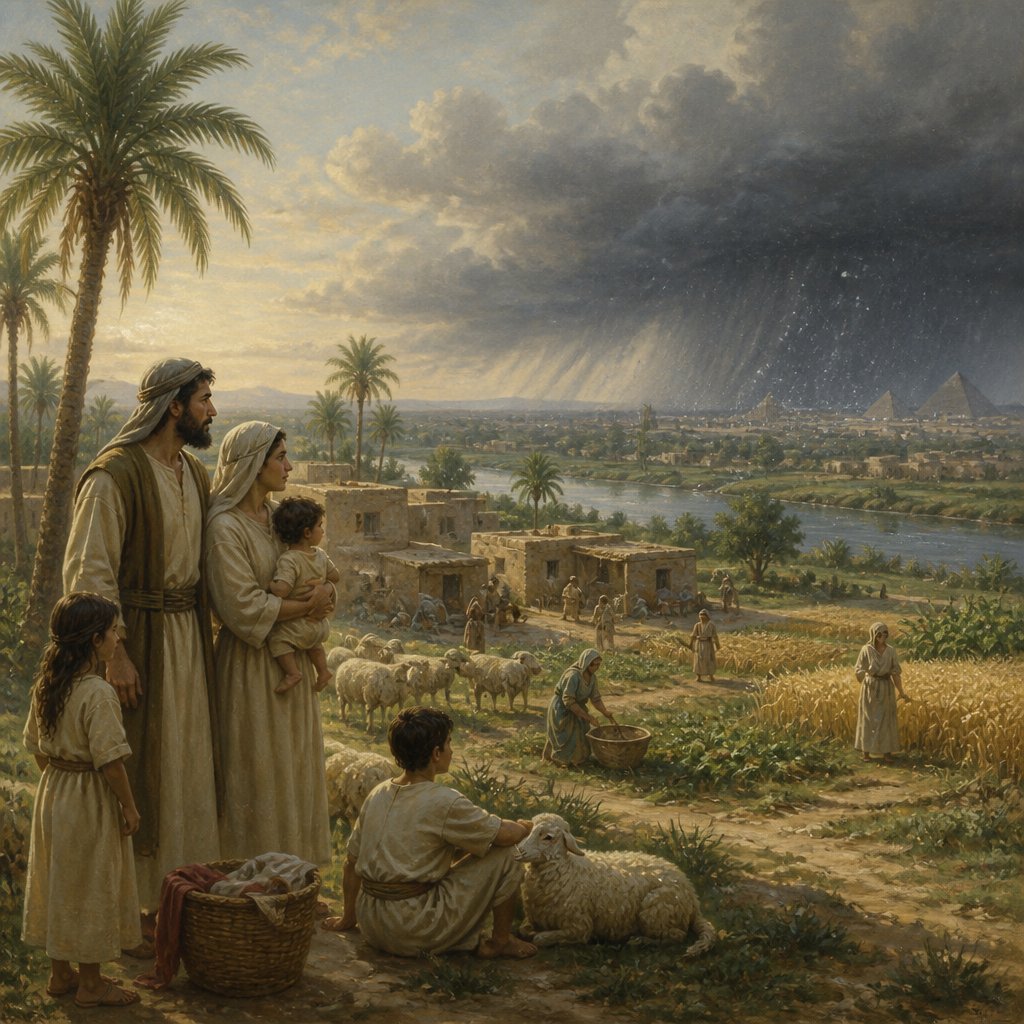
Exodus 9:26 in the King James Version says, "Only in the land of Goshen, where the children of Israel were, was there no hail." This verse comes from the story of the plagues of Egypt, in which Moses, at the command of God, brings plagues upon the land to persuade Pharaoh to release the Israelites from slavery.
To understand the full significance of this verse, it's important to provide some context. The Israelites had been enslaved in Egypt for many years, and God had sent Moses to Pharaoh with the message to let His people go. Pharaoh repeatedly refused, and in response, God sent a series of plagues upon Egypt. The plagues were not only intended to punish Pharaoh and the Egyptians for their mistreatment of the Israelites, but also to demonstrate God's power and sovereignty over all creation.
In Exodus 9, we read about the plague of hail, which was the seventh plague sent upon Egypt. This hail was unlike anything the land had ever seen before, destroying crops, trees, and anything left standing in the fields. However, in the midst of all this destruction, the land of Goshen, where the Israelites lived, was miraculously spared from the hail.
This verse serves as a powerful reminder of God's faithfulness and protection for His people. Despite the chaos and devastation unfolding around them, the Israelites were kept safe in the land of Goshen. This act of divine protection highlights the special relationship between God and His chosen people, and serves as a foreshadowing of the future redemption and deliverance that God had in store for them.
One of the key themes in this verse is the idea of God's sovereignty and power over creation. The hail was a natural disaster of epic proportions, but it was ultimately under the control of God. This demonstrates that nothing happens outside of God's authority, and that He has the ability to protect and provide for His people even in the midst of hardship and chaos.
Another important theme in this verse is the concept of divine protection for God's chosen people. The fact that the land of Goshen was spared from the plague of hail reaffirms God's covenant with the Israelites and His commitment to keeping them safe and secure. This theme echoes throughout the Bible, as we see God repeatedly intervening on behalf of His people, protecting them from harm and delivering them from oppression.
The symbolism in this verse is also significant. The land of Goshen can be seen as a type of sanctuary or refuge for the Israelites. In the midst of the devastation wreaked by the plague of hail, Goshen stood as a beacon of hope and safety. This can be seen as a reflection of the larger biblical theme of God as a refuge and stronghold for His people, providing them with safety and shelter in times of trouble.
In conclusion, Exodus 9:26 from the King James Version is a verse that showcases God's power and protection over His people. It serves as a reminder of God's faithfulness and sovereignty, and provides a powerful example of His ability to keep His promises and deliver His people from harm. This verse is not only a crucial part of the story of the plagues of Egypt, but also a poignant demonstration of God's ongoing care and concern for His chosen people.
Get our apps


Artwork for Exodus 9:26

Exodus 9:26 - "Only in the land of Goshen, where the children of Israel were, was there no hail."
"Only in the land of Goshen, where the children of Israel were, was there no hail." - Exodus 9:26

Exodus 26:9 - "And thou shalt couple five curtains by themselves, and six curtains by themselves, and shalt double the sixth curtain in the forefront of the tabernacle."

exodus 26:1

Exodus 26:30

Exodus 26:31

Exodus 26:31

Exodus 26:31

exodus 26:1

Exodus 26:26 - "¶ And thou shalt make bars of shittim wood; five for the boards of the one side of the tabernacle,"

Exodus 26:31-33
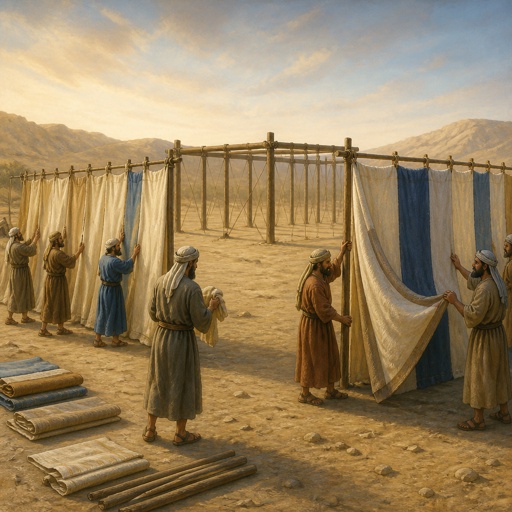
"And thou shalt couple five curtains by themselves, and six curtains by themselves, and shalt double the sixth curtain in the forefront of the tabernacle." - Exodus 26:9

Exodus 30:26 - "And thou shalt anoint the tabernacle of the congregation therewith, and the ark of the testimony,"

Exodus 40:26 - "¶ And he put the golden altar in the tent of the congregation before the vail:"

Exodus 26:20 - "And for the second side of the tabernacle on the north side there shall be twenty boards:"

Exodus 26:22 - "And for the sides of the tabernacle westward thou shalt make six boards."

Genesis 26:9

Exodus 26:23 - "And two boards shalt thou make for the corners of the tabernacle in the two sides."

Exodus 26:28 - "And the middle bar in the midst of the boards shall reach from end to end."

Exodus 26:15 - "¶ And thou shalt make boards for the tabernacle of shittim wood standing up."

Exodus 40:9
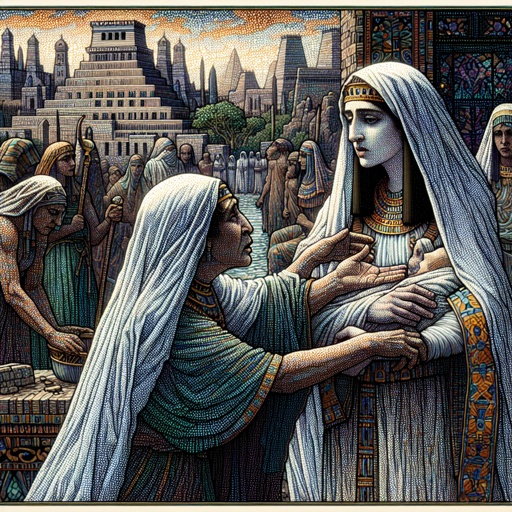
Exodus 2:9

Exodus 2:9

Exodus 26:18 - "And thou shalt make the boards for the tabernacle, twenty boards on the south side southward."

Exodus 26:16 - "Ten cubits shall be the length of a board, and a cubit and a half shall be the breadth of one board."

Exodus 35:26 - "And all the women whose heart stirred them up in wisdom spun goats' hair."

Exodus 26:34 - "And thou shalt put the mercy seat upon the ark of the testimony in the most holy place."

Exodus 16:26 - "Six days ye shall gather it; but on the seventh day, which is the sabbath, in it there shall be none."

Exodus 24:9-11

Exodus 26:12 - "And the remnant that remaineth of the curtains of the tent, the half curtain that remaineth, shall hang over the backside of the tabernacle."