What does Ezekiel 10:15 mean?
“And the cherubims were lifted up. This is the living creature that I saw by the river of Chebar.” — Ezekiel 10:15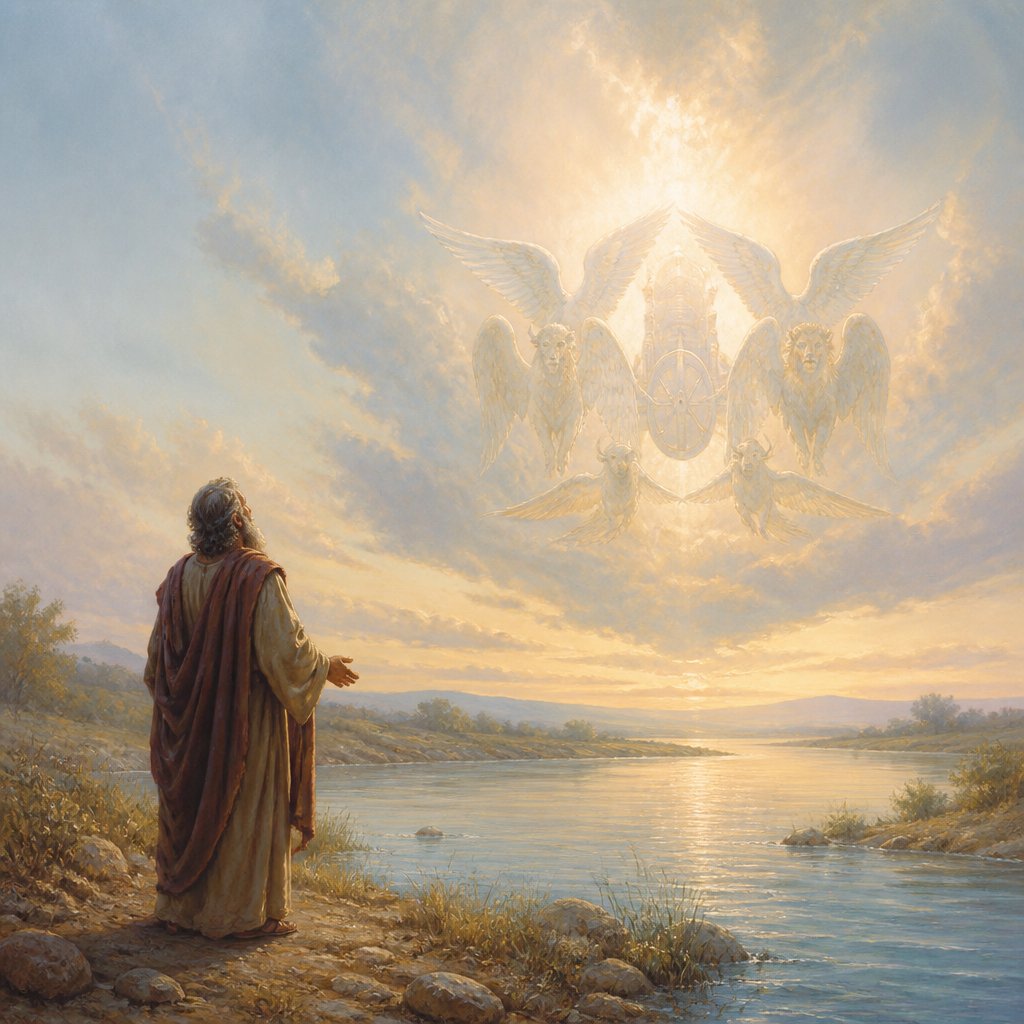
Ezekiel 10:15 in the King James Version of the Bible reads, "And the cherubims were lifted up. This is the living creature that I saw by the river of Chebar."
To understand the meaning and significance of this verse, it is necessary to examine the broader context in which it appears. The book of Ezekiel is a prophetic book that contains visions and prophecies given to the prophet Ezekiel during the Babylonian exile. In chapter 10, Ezekiel witnesses a vision of the glory of the Lord leaving the temple in Jerusalem and moving to the east, signifying the departure of God's presence from the nation of Israel due to their continued disobedience and sin.
In this particular verse, Ezekiel describes the movement of the cherubim, a type of angelic being associated with the presence and glory of God. The fact that the cherubim were "lifted up" indicates a sense of majesty and power, as if they are being exalted or elevated to a higher position. This movement signifies the departure of the divine presence, as the cherubim are leaving their previous location and moving in a different direction.
The phrase "This is the living creature that I saw by the river of Chebar" is a reference to Ezekiel's earlier vision of the living creatures that he saw by the river of Chebar, which is described in Ezekiel 1:1-28. In this vision, Ezekiel sees four living creatures with the appearance of both human and animal features, and these creatures are later identified as cherubim (Ezekiel 10:20). The connection between the two visions serves to reinforce the divine nature of the beings Ezekiel is witnessing, and it underscores the continuity and consistency of the prophetic message being conveyed.
In a broader theological and symbolic sense, the movement of the cherubim and the departure of the divine presence from the temple is a powerful and sobering image of God's judgment and the consequences of sin. Throughout the book of Ezekiel, the prophet repeatedly condemns the idolatry, injustice, and moral corruption of the people of Israel and warns of the impending destruction and exile that will come as a result. The departure of the cherubim signifies the withdrawal of God's protection and favor, as well as the devastation that will befall the nation as a result of their disobedience.
Furthermore, the imagery of the cherubim and their role in guarding and manifesting the presence of God is rich with symbolism and significance. The cherubim are often associated with themes of holiness, purity, and divine worship, and their presence in Ezekiel's visions serves as a reminder of the transcendence and majesty of God. The movement of the cherubim also carries echoes of the Exodus, when the Israelites were led by the pillar of cloud and fire, indicating both the guidance and judgment of God.
In conclusion, Ezekiel 10:15 is a verse that carries profound theological and symbolic significance within the broader context of the book of Ezekiel. It serves as a powerful representation of God's judgment and the consequences of sin, as well as a reminder of the holiness and transcendence of God. The imagery of the cherubim and their movement holds deep spiritual and moral lessons for readers, prompting us to reflect on our own obedience and faithfulness to God.
Get our apps


Artwork for Ezekiel 10:15

Ezekiel 10:15 - "And the cherubims were lifted up. This is the living creature that I saw by the river of Chebar."
"And the cherubims were lifted up. This is the living creature that I saw by the river of Chebar." - Ezekiel 10:15

Ezekiel 10:10

Ezekiel 10:10

Ezekiel 10:10

Ezekiel 10:10

Ezekiel 10:10 - "And as for their appearances, they four had one likeness, as if a wheel had been in the midst of a wheel."

ezekiel 47:8-10

ezekiel 47:8-10

ezekiel 47:8-10

ezekiel 47:8-10

Ezekiel 37:1-10 – The valley of dry bones.

Ezekiel 37:1-10 – The vision of the valley of dry bones.

Ezekiel 1:10-11

ezekiel 47:8-10

matthew 15 matthew 15:10

Ezekiel 15:1 - "And the word of the LORD came unto me, saying,"

Ezekiel 37:15 - "¶ The word of the LORD came again unto me, saying,"

Ezekiel 37:1-10 – The vision of the valley of dry bones.

Ezekiel 24:15 - "¶ Also the word of the LORD came unto me, saying,"

Genesis 15:10

Luke 15:10

Ezekiel 10:8 - "¶ And there appeared in the cherubims the form of a man's hand under their wings."

Ezekiel 15:8 - "And I will make the land desolate, because they have committed a trespass, saith the Lord GOD."

Ezekiel 10:13 - "As for the wheels, it was cried unto them in my hearing, O wheel."

Ezekiel 45:10 - "Ye shall have just balances, and a just ephah, and a just bath."
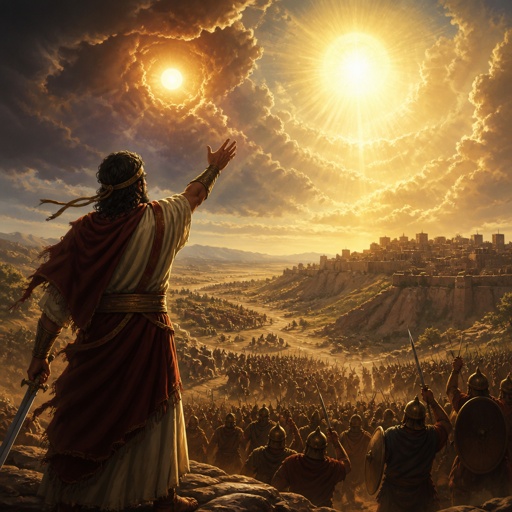
joshua 10:1-15

John 15:9-10

John 15:9-10

Romans 10:13-15