What does Ezekiel 10:6 mean?
“And it came to pass, that when he had commanded the man clothed with linen, saying, Take fire from between the wheels, from between the cherubims; then he went in, and stood beside the wheels.” — Ezekiel 10:6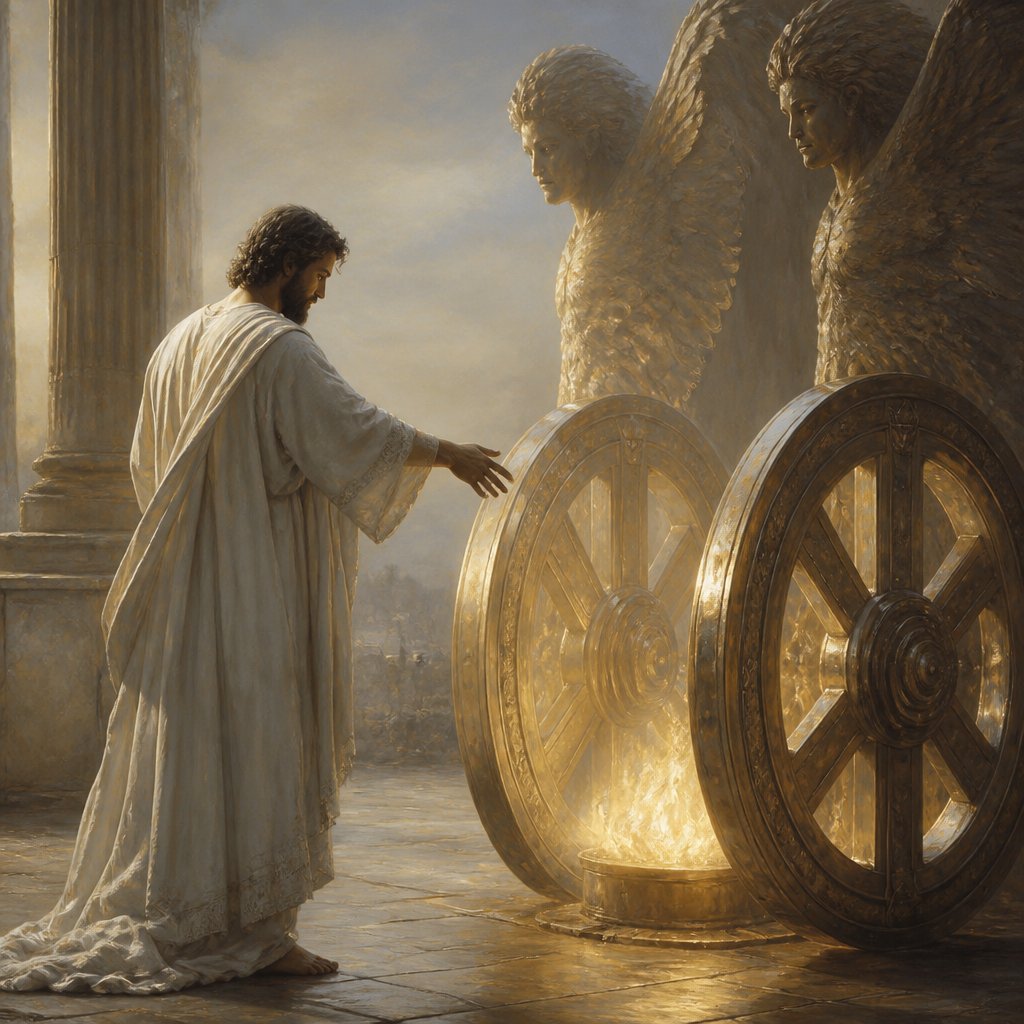
Ezekiel 10:6 from the King James Version of the Bible states, "And it came to pass, that when he commanded the man clothed with linen, saying, Take fire from between the wheels, from between the cherubims; then he went in, and stood beside the wheels." This verse is part of a larger passage in the book of Ezekiel, which describes the prophet's vision of a divine chariot or "theophany" and the actions of the heavenly beings (cherubim) associated with it. In this vision, the prophet Ezekiel sees a whirlwind come out of the north, a cloud, and a fire infolding itself - these images are part of the description of the divine chariot itself.
The book of Ezekiel is a part of the Hebrew Bible and the Christian Old Testament. It is named after the prophet Ezekiel, who lived in the 6th century BC during the Babylonian exile. The book is known for its apocalyptic visions and prophecies, and it is often seen as a difficult and complex book to interpret. The passage in chapter 10 is part of a series of visions Ezekiel has regarding the glory of the Lord departing from the temple in Jerusalem. This departure signifies the impending judgment on the city and its people.
In this particular verse, Ezekiel witnessed a man clothed in linen being commanded to take fire from between the wheels and cherubim associated with the divine chariot. The figure in linen is most likely an angelic being, and the fire likely symbolizes the divine holiness and judgment of God. The chariot itself, with its wheels and cherubim, is a powerful and enigmatic image that represents God's sovereignty and divine presence.
The imagery in this verse mirrors other passages in the Bible that describe God's chariot or throne, such as in Isaiah 6 and Revelation 4. The chariot is a symbol of the heavenly realm and God's kingly authority. The fire, cherubim, and wheels all point to the mystery and wonder of God's divine presence and the spiritual forces at work in the world.
One of the key themes in this verse is the concept of God's transcendence and immanence. The vision of the divine chariot and the heavenly beings show the awe-inspiring nature of God and His distance from human understanding. At the same time, the image of the man in linen taking fire from between the cherubim shows God's immanence - His willingness to make His presence known and to communicate with humanity.
Another prominent theme in this passage is the idea of divine judgment. The departure of the glory of the Lord from the temple is a powerful symbol of God's judgment on the people of Jerusalem. The fire taken from between the cherubim may signify the purifying and consuming aspect of God's judgment. The wheels and cherubim are also associated with God's judgment and His authority over the nations.
In terms of the historical and cultural context, at the time of Ezekiel's prophecies, the people of Judah were living in exile in Babylon. The destruction of Jerusalem and the temple had already occurred, and the people were grappling with the consequences of their disobedience to God. Ezekiel's visions and prophecies served as a reminder of God's faithfulness and His righteous judgment, even in the midst of exile and suffering.
In conclusion, Ezekiel 10:6 is a rich and complex verse that is part of a larger passage containing profound visions and symbols. It speaks to the themes of divine transcendence and immanence, judgment, and the sovereignty of God. The imagery of the chariot, fire, cherubim, and the man in linen all point to the profound mystery and majesty of God's presence and His dealings with humanity. This verse invites readers to ponder the depths of God's character and to consider their own response to His holiness and sovereignty.
Get our apps


Artwork for Ezekiel 10:6

Ezekiel 10:6 - "And it came to pass, that when he had commanded the man clothed with linen, saying, Take fire from between the wheels, from between the cherubims; then he went in, and stood beside the wheels."
"And it came to pass, that when he had commanded the man clothed with linen, saying, Take fire from between the wheels, from between the cherubims; then he went in, and stood beside the wheels." - Ezekiel 10:6
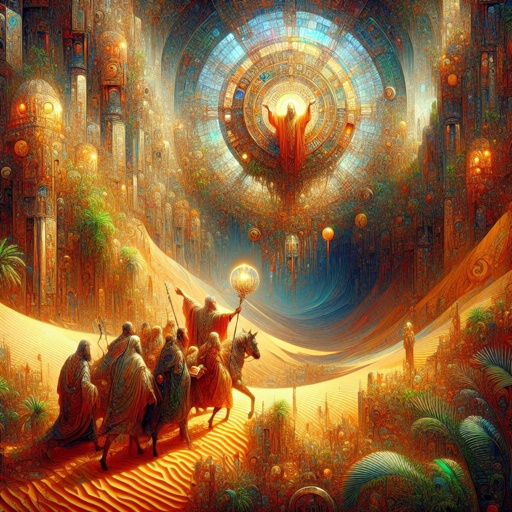
Ezekiel 6:10 - "And they shall know that I am the LORD, and that I have not said in vain that I would do this evil unto them."

Ezekiel 10:10

Ezekiel 10:10

Ezekiel 10:10

Ezekiel 10:10

Ezekiel 14:6

Ezekiel 10:10 - "And as for their appearances, they four had one likeness, as if a wheel had been in the midst of a wheel."

ezekiel 47:8-10

ezekiel 47:8-10

ezekiel 47:8-10

ezekiel 47:8-10
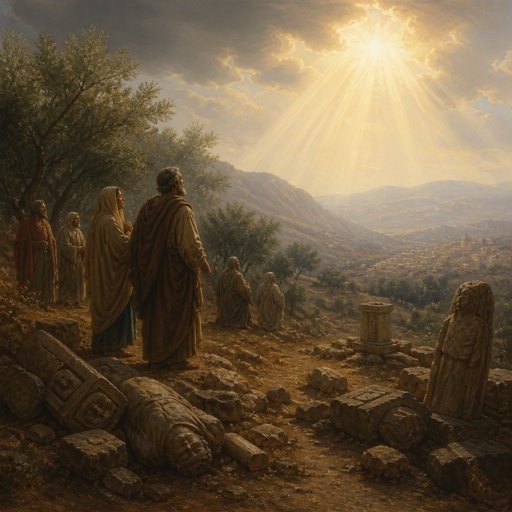
"And they shall know that I am the LORD, and that I have not said in vain that I would do this evil unto them." - Ezekiel 6:10

Ezekiel 37:1-10 – The valley of dry bones.

Ezekiel 37:1-10 – The vision of the valley of dry bones.

Ezekiel 1:10-11

ezekiel 47:8-10

Ezekiel 1:6-13

Ezekiel 37:1-10 – The vision of the valley of dry bones.

Ezekiel 10:8 - "¶ And there appeared in the cherubims the form of a man's hand under their wings."

Ezekiel 6:1 - "And the word of the LORD came unto me, saying,"

Ezekiel 10:13 - "As for the wheels, it was cried unto them in my hearing, O wheel."

Ezekiel 7:6 - "An end is come, the end is come: it watcheth for thee; behold, it is come."

Ezekiel 45:10 - "Ye shall have just balances, and a just ephah, and a just bath."

Ezekiel 10:18 - "Then the glory of the LORD departed from off the threshold of the house, and stood over the cherubims."

Ezekiel 41:10 - "And between the chambers was the wideness of twenty cubits round about the house on every side."

Ezekiel 10:15 - "And the cherubims were lifted up. This is the living creature that I saw by the river of Chebar."

Efesios 6:10

Efesios 6:10