What does Ezekiel 14:13 mean?
"Son of man, when the land sinneth against me by trespassing grievously, then will I stretch out mine hand upon it, and will break the staff of the bread thereof, and will send famine upon it, and will cut off man and beast from it:" - Ezekiel 14:13
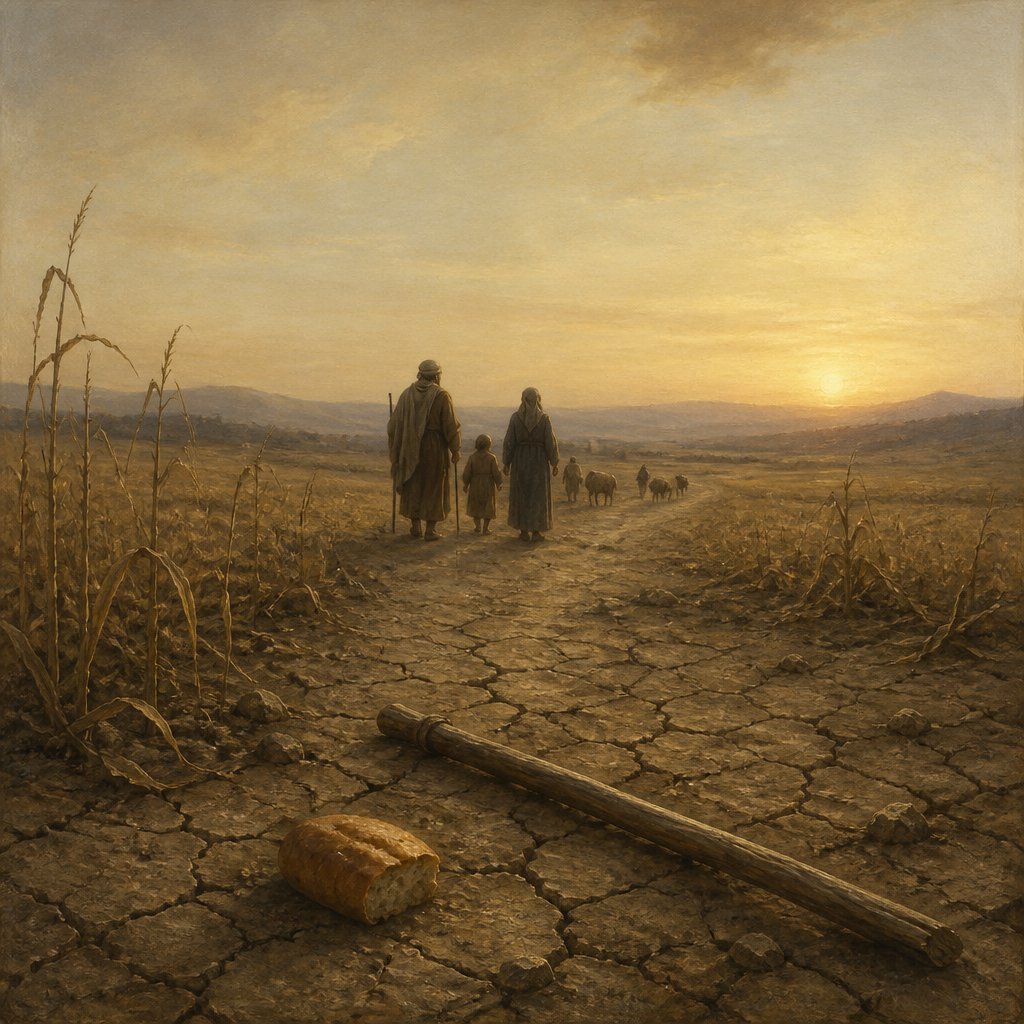
Ezekiel 14:13 (KJV) states, "Son of man, when the land sinneth against me by trespassing grievously, then will I stretch out mine hand upon it, and will break the staff of the bread thereof, and will send famine upon it, and will cut off man and beast from it."
In this verse, God is speaking through the prophet Ezekiel, addressing the people of Israel. The "son of man" is a term that God often uses when speaking to the prophets, emphasizing the humanity and relatability of the prophet. Here, God is warning the people that when the land sins against Him by committing grave transgressions, He will take action to bring about consequences.
The phrase "stretch out mine hand upon it" signifies God's intervention and judgment upon the sinful land. It conveys the image of God's firm and decisive action, demonstrating His power and authority over the earth. This gesture symbolizes the imminent punishment that God will bring upon the land for its iniquities.
God declares that He will "break the staff of the bread thereof" in response to the land's sinfulness. This imagery illustrates the severity of the forthcoming judgment. In ancient times, the staff was both a symbol of authority and support. By breaking the staff of the bread, God indicates that He will strip away the sustenance and provision that the land relies on for survival. This serves as a warning that the people will face hunger and deprivation as a result of their disobedience.
Furthermore, God pronounces that He will "send famine upon it" as part of His judgment. Famine is a catastrophic and widespread scarcity of food, often resulting in starvation and death. Here, it is used as a divine instrument of punishment, indicating the severity of the consequences for the land's grievous trespasses. Famine not only affects the physical well-being of the people but also serves as a metaphor for the spiritual desolation that results from turning away from God.
The verse concludes with the declaration that God will "cut off man and beast from it." This signifies a complete and devastating separation of the inhabitants and the livestock from the land. It conveys the comprehensive nature of God's judgment, affecting both humans and animals. This severe action emphasizes the inescapable reach and impact of God's retribution upon the sinful land.
In a broader context, Ezekiel 14:13 conveys several significant themes. Firstly, it underscores the righteousness and justice of God. His response to the land's sinfulness reflects His intolerance of disobedience and His commitment to uphold moral order. This demonstrates the importance of living in accordance with God's will and the serious consequences of straying from His commandments.
Additionally, the verse emphasizes the concept of divine discipline. Through the impending judgment, God aims to correct and purify the land, directing its inhabitants back to a path of righteousness. This highlights the redemptive purpose behind God's punitive actions, seeking to ultimately restore the people to a renewed relationship with Him.
Moreover, Ezekiel 14:13 serves as a poignant reminder of the intertwined fate of humanity and the natural world. The repercussions of human sinfulness extend beyond individual consequences to impact the broader ecosystem and all living beings. This underscores the interconnectedness of God's creation and the responsibility of humanity to steward and honor the earth.
In conclusion, Ezekiel 14:13 from the King James Version of the Bible conveys a powerful message of divine judgment and discipline in response to the land's iniquities. It highlights the severity of the consequences for disobedience and reinforces the overarching themes of God's righteousness, discipline, and the interconnectedness of humanity and the natural world. This verse serves as a sobering admonition to heed God's commandments and live in accordance with His will to avoid the dire consequences of sin.
Have questions about Ezekiel 14:13?
Dive deeper into this scripture with Bible Chat — an AI-powered tool for exploring God's Word through conversation. Ask questions, get context, and grow in your understanding of the Bible.
Get Our Apps


Ezekiel 14:13 Artwork
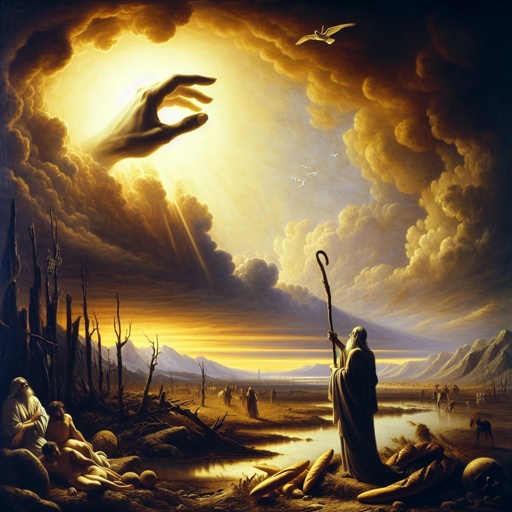
Ezekiel 14:13 - "Son of man, when the land sinneth against me by trespassing grievously, then will I stretch out mine hand upon it, and will break the staff of the bread thereof, and will send famine upon it, and will cut off man and beast from it:"
"Son of man, when the land sinneth against me by trespassing grievously, then will I stretch out mine hand upon it, and will break the staff of the bread thereof, and will send famine upon it, and will cut off man and beast from it:" - Ezekiel 14:13
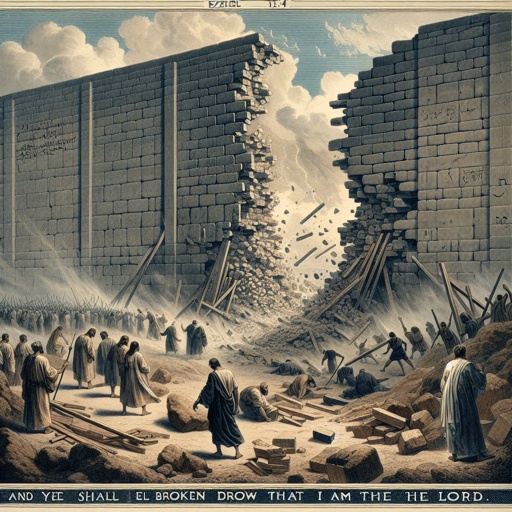
Ezekiel 13:14 - "So will I break down the wall that ye have daubed with untempered morter, and bring it down to the ground, so that the foundation thereof shall be discovered, and it shall fall, and ye shall be consumed in the midst thereof: and ye shall know that I am the LORD."

Ezekiel 14:6

Ezekiel 28:13

Ezekiel 1:6-13

Ezekiel 14:14 - "Though these three men, Noah, Daniel, and Job, were in it, they should deliver but their own souls by their righteousness, saith the Lord GOD."

Ezekiel 14:12 - "¶ The word of the LORD came again to me, saying,"

Matthew 7:13-14

Matthew 7:13-14

Matthew 7:13-14

Matthew 7:13-14

Matthew 7:13-14

Matthew 7:13-14

Matthew 7:13-14

Ezekiel 14:2 - "And the word of the LORD came unto me, saying,"

Ezekiel 13:1 - "And the word of the LORD came unto me, saying,"

Matthew 7:13-14

Matthew 7:13-14

Matthew 7:13-14

Matthew 7:13-14

Ezekiel 11:14 - "Again the word of the LORD came unto me, saying,"

Ezekiel 1:14 - "And the living creatures ran and returned as the appearance of a flash of lightning."

Ezekiel 13:4 - "O Israel, thy prophets are like the foxes in the deserts."

Ezekiel 19:13 - "And now she is planted in the wilderness, in a dry and thirsty ground."

Exodus 14:13

Exodus 14:13

Exodus 14:13

Exodus 14:13

Exodus 14:13