What does Ezekiel 16:3 mean?
“And say, Thus saith the Lord GOD unto Jerusalem; Thy birth and thy nativity is of the land of Canaan; thy father was an Amorite, and thy mother an Hittite.” — Ezekiel 16:3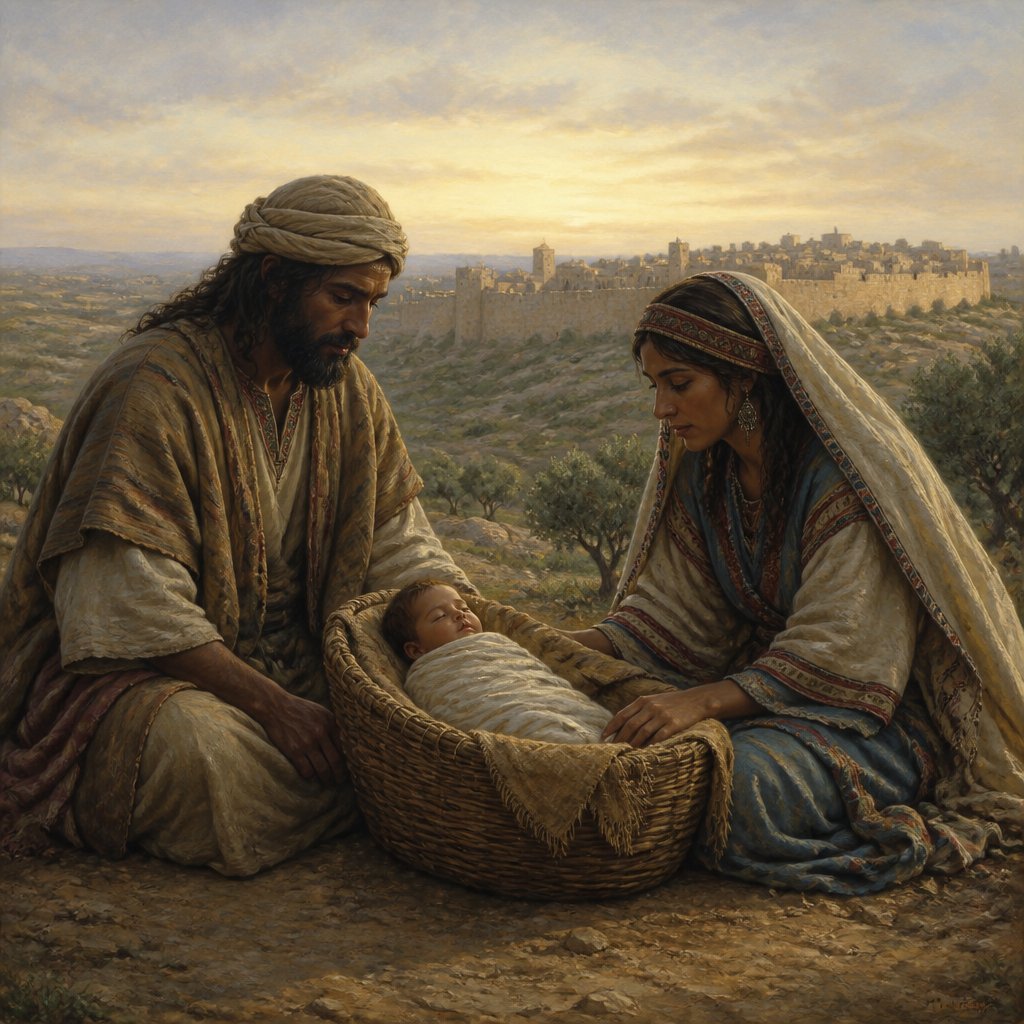
Ezekiel 16:3 (KJV) reads, "And say, Thus saith the Lord GOD unto Jerusalem; Thy birth and thy nativity is of the land of Canaan; thy father was an Amorite, and thy mother an Hittite."
This verse comes from the book of Ezekiel, which is a prophetic book in the Old Testament. The prophet Ezekiel is known for his vivid and symbolic visions, and his messages often contain strong words of warning and rebuke for the people of Israel. In this particular verse, Ezekiel is delivering a message from the Lord to the city of Jerusalem, likening the city to a child born of Canaanite parents.
To fully understand the significance of this verse, it is important to consider the historical and cultural context in which it was written. The Canaanites were the original inhabitants of the land that later became Israel, and they were known for their idolatry and moral corruption. The Amorites and Hittites were two prominent Canaanite tribes, and they are often used in the Bible to represent the spiritual and moral depravity of the Canaanite people as a whole.
By describing Jerusalem as being born of Canaanite parents, the Lord is emphasizing the city's spiritual and moral descent from its Canaanite roots. This imagery serves as a powerful metaphor for the ways in which the people of Jerusalem have strayed from the Lord and embraced the sinful practices of the Canaanites. The verse also highlights the idea that the city's sinful nature is deeply ingrained, as it has inherited its spiritual lineage from its Canaanite ancestors.
The use of the parent-child metaphor in this verse also serves to emphasize the responsibility and accountability of Jerusalem for its actions. Just as a child inherits traits and characteristics from their parents, Jerusalem is viewed as inheriting the spiritual and moral legacy of its Canaanite ancestors. This concept of spiritual inheritance underscores the idea that the people of Jerusalem are not simply victims of their circumstances, but are active participants in perpetuating the sinful traditions of their ancestors.
Furthermore, this verse contains a message of judgment and warning for the people of Jerusalem. By highlighting the city's Canaanite heritage, Ezekiel is drawing attention to the ways in which the people have forsaken the Lord and embraced the sinful practices of the Canaanites. The use of the parent-child metaphor also serves to emphasize the severity of the people's disobedience, as it suggests a willful and deliberate rejection of God's ways.
In addition to its thematic significance, Ezekiel 16:3 also contains symbolic layers of meaning. The imagery of birth and parentage serves as a powerful symbol for the spiritual and moral condition of Jerusalem. By likening the city to a child born of Canaanite parents, the verse conveys the idea that Jerusalem has inherited a legacy of idolatry and immorality from its ancestors. This imagery reinforces the concept of spiritual inheritance and underscores the deep-seated nature of the city's sinfulness.
In conclusion, Ezekiel 16:3 is a powerful verse that conveys a message of warning and rebuke for the people of Jerusalem. Through the use of vivid imagery and symbolic language, the verse emphasizes the city's spiritual and moral descent from its Canaanite roots and highlights the severity of the people's disobedience. The verse serves as a potent reminder of the consequences of forsaking the Lord and embracing sinful practices, and it challenges the people to repent and turn back to God.
Get our apps


Artwork for Ezekiel 16:3
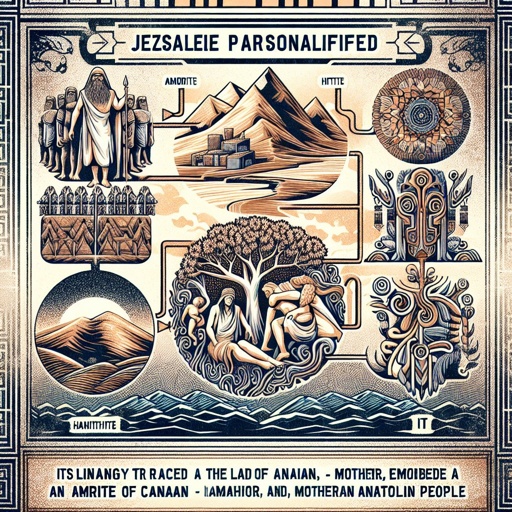
Ezekiel 16:3 - "And say, Thus saith the Lord GOD unto Jerusalem; Thy birth and thy nativity is of the land of Canaan; thy father was an Amorite, and thy mother an Hittite."
"And say, Thus saith the Lord GOD unto Jerusalem; Thy birth and thy nativity is of the land of Canaan; thy father was an Amorite, and thy mother an Hittite." - Ezekiel 16:3

Ezekiel 3:16 - "And it came to pass at the end of seven days, that the word of the LORD came unto me, saying,"
"And it came to pass at the end of seven days, that the word of the LORD came unto me, saying," - Ezekiel 3:16

Ezekiel 16:35 - "¶ Wherefore, O harlot, hear the word of the LORD:"

ezekiel 8:3

Ezekiel 3:17

Ezekiel 16:2 - "Son of man, cause Jerusalem to know her abominations,"

Ezekiel 36:16 - "¶ Moreover the word of the LORD came unto me, saying,"

Ezekiel 16:1 - "Again the word of the LORD came unto me, saying,"

Ezekiel 45:16 - "All the people of the land shall give this oblation for the prince in Israel."

Ezekiel 34:3–4

Ezekiel 16:56 - "For thy sister Sodom was not mentioned by thy mouth in the day of thy pride,"

Ezekiel 39:16 - "And also the name of the city shall be Hamonah. Thus shall they cleanse the land."

Ezekiel 16:32 - "But as a wife that committeth adultery, which taketh strangers instead of her husband!"

Ezekiel 16:58 - "Thou hast borne thy lewdness and thine abominations, saith the LORD."

Ezekiel 38:1-3

Ezekiel 4:1-3

Ezekiel 33:3-9

Matthew 3:16

Acts 3:16

Acts 3:16

Matthew 3:16

Acts 3:16

Matthew 3:16

Acts 3:16

Ezekiel 16:16 - "And of thy garments thou didst take, and deckedst thy high places with divers colours, and playedst the harlot thereupon: the like things shall not come, neither shall it be so."

John 3:16 - show a a cross on Calvary here with the sun shining behind at sunset 3:16

Ezekiel 1:3 - "The word of the LORD came expressly unto Ezekiel the priest, the son of Buzi, in the land of the Chaldeans by the river Chebar; and the hand of the LORD was there upon him."

Ezekiel 43:16 - "And the altar shall be twelve cubits long, twelve broad, square in the four squares thereof."