What does Ezekiel 16:47 mean?
“Yet hast thou not walked after their ways, nor done after their abominations: but, as if that were a very little thing, thou wast corrupted more than they in all thy ways.” — Ezekiel 16:47
Ezekiel 16:47 (KJV) states: "Yet hast thou not walked after their ways, nor done after their abominations: but, as if that were a very little thing, thou wast corrupted more than they in all thy ways."
In order to understand the significance of this verse, it is important to delve into the context of the passage. The book of Ezekiel contains prophecies and messages from God to the Israelites during their exile in Babylon. In Ezekiel 16, God uses the metaphor of an unfaithful woman to describe the unfaithfulness of the Israelites to Him. He speaks of how He found the Israelites as a forsaken, unloved baby, and how He took care of them, entered into a covenant with them, and made them prosperous. However, they turned away from Him and engaged in idolatry and wickedness, forsaking their covenant with God.
In verse 47, God is addressing the Israelites, expressing His disappointment with them. He acknowledges that while the nations around them engaged in abominable practices, the Israelites did not follow their ways. However, he then points out that despite not walking after their ways or committing their abominations, the Israelites were still more corrupt in all their ways.
This verse carries a powerful message about the nature of sin and unfaithfulness. On the surface, the Israelites may have appeared less wicked than the surrounding nations, as they did not partake in their abominations. However, God sees beyond outward actions and into the heart. He sees the depth of their unfaithfulness and corruption, which is even greater than that of the nations around them.
The verse serves as a reminder that sin is not simply defined by external actions, but by the state of one's heart. The Israelites may have avoided certain outward sins, but their hearts were still filled with corruption, idolatry, and unfaithfulness to God. This speaks to the deeper spiritual truth that God is concerned with the condition of the heart, and true righteousness stems from a heart that is aligned with His will.
The verse also serves as a warning to the Israelites and to all believers. It is a reminder that God sees beyond outward appearances and actions. It is possible to appear religious or moral on the outside, while inwardly being filled with unfaithfulness and corruption. This challenges believers to examine their own hearts and motivations, and to strive for true righteousness that comes from a genuine and faithful relationship with God.
Furthermore, the verse highlights the severity of the Israelites' unfaithfulness. Despite being chosen and blessed by God, they turned away from Him and allowed corruption to seep into all aspects of their lives. This serves as a cautionary tale for believers, reminding them of the destructive nature of sin and the consequences of turning away from God.
In terms of symbolism, the verse can be seen as a representation of the contrast between outward appearances and true spiritual condition. The Israelites may have appeared righteous compared to the nations around them, but their inner corruption and unfaithfulness were even greater. This serves as a warning about the dangers of hypocrisy and the need for genuine, heart-level transformation in the lives of believers.
In conclusion, Ezekiel 16:47 (KJV) offers a powerful message about the nature of sin, unfaithfulness, and righteousness. It challenges believers to look beyond outward appearances and to strive for genuine righteousness that stems from a faithful and aligned heart with God. It also serves as a warning about the destructive nature of unfaithfulness and the need for genuine repentance and transformation.
Get our apps


Artwork for Ezekiel 16:47

Ezekiel 16:47 - "Yet hast thou not walked after their ways, nor done after their abominations: but, as if that were a very little thing, thou wast corrupted more than they in all thy ways."

"Yet hast thou not walked after their ways, nor done after their abominations: but, as if that were a very little thing, thou wast corrupted more than they in all thy ways." - Ezekiel 16:47

Ezekiel 47:16 - "Hamath, Berothah, Sibraim, which is between the border of Damascus and the border of Hamath; Hazar-hatticon, which is by the coast of Hauran."

ezekiel 47:8-10

ezekiel 47:1-12

ezekiel 47:8-10

ezekiel 47:1-12

ezekiel 47:8-10

ezekiel 47:1-12

Ezekiel 47:1-12

ezekiel 47:8-10

ezekiel 47:1-12

ezekiel 47:1-12

ezekiel 47:1-12

ezekiel 47:1-12

ezekiel 47:1-12

ezekiel 47:1-12

ezekiel 47:1-12

ezekiel 47:1-12

ezekiel 47:1-12

ezekiel 47:8-10

ezekiel 47:1-12

Ezekiel 47:1-9, 12
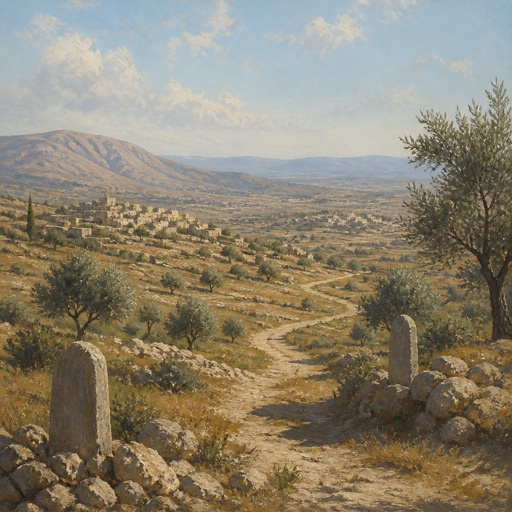
"Hamath, Berothah, Sibraim, which is between the border of Damascus and the border of Hamath; Hazar-hatticon, which is by the coast of Hauran." - Ezekiel 47:16

Ezekiel 47:21 - "So shall ye divide this land unto you according to the tribes of Israel."

Ezekiel 47:11 - "But the miry places thereof and the marishes thereof shall not be healed; they shall be given to salt."

Ezekiel 47:17 - "And the border from the sea shall be Hazar-enan, the border of Damascus, and the north northward, and the border of Hamath. And this is the north side."

Ezekiel 47:7 - "Now when I had returned, behold, at the bank of the river were very many trees on the one side and on the other."

Ezekiel 40:47 - "So he measured the court, an hundred cubits long, and an hundred cubits broad, foursquare; and the altar that was before the house."

Ezekiel 47:15 - "And this shall be the border of the land toward the north side, from the great sea, the way of Hethlon, as men go to Zedad;"