What does Ezekiel 16:54 mean?
“That thou mayest bear thine own shame, and mayest be confounded in all that thou hast done, in that thou art a comfort unto them.” — Ezekiel 16:54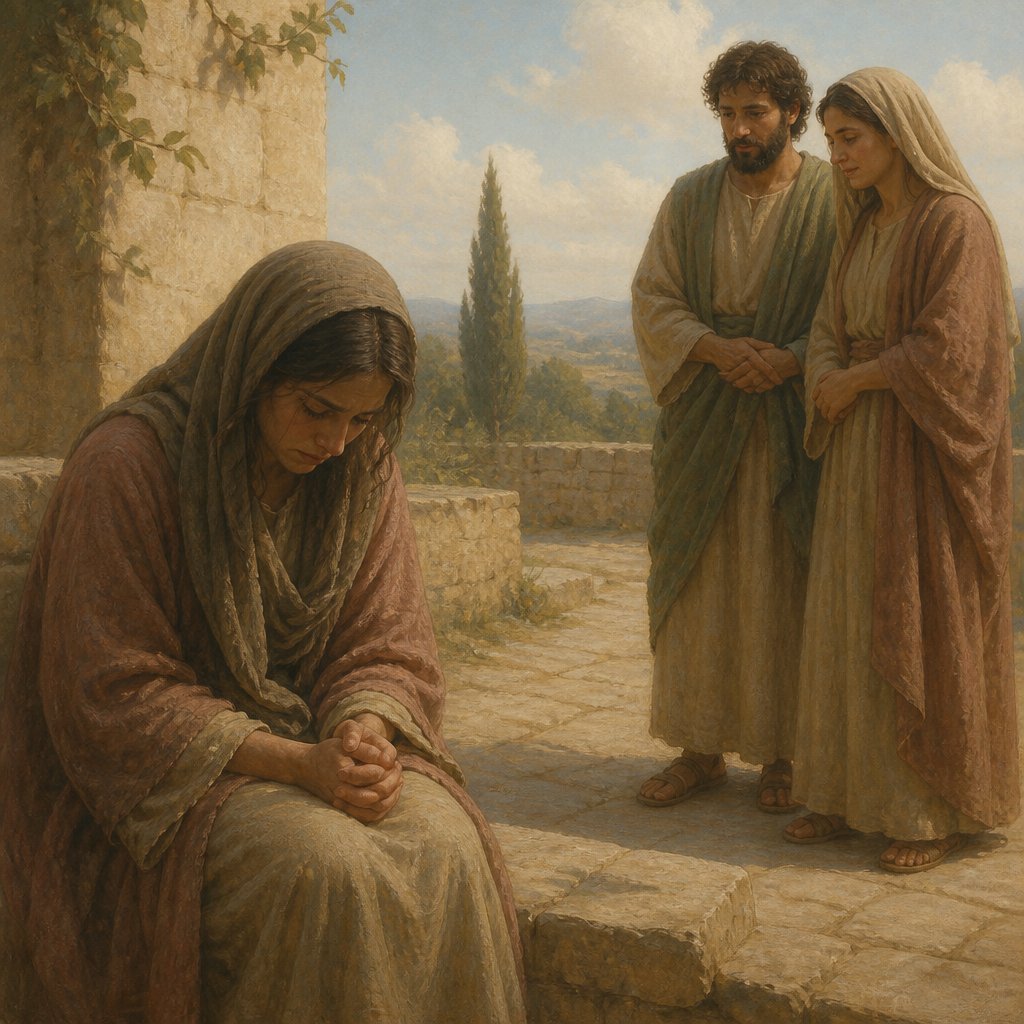
Ezekiel 16:54 in the King James Version reads, “That thou mayest bear thine own shame, and mayest be confounded in all that thou hast done, in that thou art a comfort unto them.” This verse is part of a larger passage in which the prophet Ezekiel uses the metaphor of a faithless and promiscuous woman to describe the unfaithfulness of the people of Jerusalem to God.
In the preceding verses, Ezekiel describes how Jerusalem had been blessed and prospered by God, but instead of being grateful and faithful to Him, the people turned to idolatry and engaged in immoral practices. This verse specifically speaks to the consequences of their actions – that they would bear their own shame and be confounded by their own actions. In other words, the people of Jerusalem would experience the full weight of the shame and disgrace that their unfaithfulness had brought upon them.
One of the key themes in this passage is the concept of spiritual unfaithfulness and the consequences that come with it. Throughout the entire passage, the relationship between God and the people of Jerusalem is likened to a marriage – with God as the faithful husband and Jerusalem as the unfaithful wife. The consequences of this unfaithfulness are severe, including shame, disgrace, and ultimately, the destruction of the city.
Another important theme in this passage is the idea of God as a just and righteous judge. The verse emphasizes that the people of Jerusalem would bear their own shame and be confounded by their actions, indicating that they would receive a just retribution for their unfaithfulness. This theme is consistent with other passages in the Bible that emphasize God’s justice and the consequences of disobedience.
The verse also alludes to the idea of comfort. In this context, the “comfort” referred to is not a positive one, but rather a comfort in one’s own disgrace. The people of Jerusalem had become so entrenched in their unfaithfulness that they found comfort in their sinful ways, despite the negative consequences. This idea of finding comfort in sin is a powerful reminder of the destructive nature of spiritual unfaithfulness.
Symbolism plays a significant role in this verse and the larger passage as well. The metaphor of the faithless woman is a powerful symbol for the unfaithfulness of the people of Jerusalem. This imagery serves to vividly illustrate the depth of their unfaithfulness and the severity of the consequences. Additionally, the idea of bearing one’s own shame symbolizes the burden of guilt and disgrace that comes with unfaithfulness.
In terms of context, it’s important to understand the historical and cultural background of Ezekiel’s prophecies. At the time Ezekiel was writing, Jerusalem was facing the imminent threat of destruction by the Babylonian empire. The people of Jerusalem were living in a state of moral and spiritual decline, and their unfaithfulness to God was a central concern for Ezekiel. In this context, Ezekiel’s prophecies served as a warning to the people, urging them to repent and turn back to God before it was too late.
In conclusion, Ezekiel 16:54 is a powerful and poignant verse that speaks to the consequences of spiritual unfaithfulness. It emphasizes the idea of bearing one’s own shame and finding comfort in sin, while also highlighting the theme of God’s justice and righteous judgment. The use of symbolism and metaphor adds depth and vividness to the passage, making it a compelling and sobering reminder of the destructive nature of unfaithfulness.
Get our apps


Artwork for Ezekiel 16:54
Ezekiel 16:54 - "That thou mayest bear thine own shame, and mayest be confounded in all that thou hast done, in that thou art a comfort unto them."
"That thou mayest bear thine own shame, and mayest be confounded in all that thou hast done, in that thou art a comfort unto them." - Ezekiel 16:54

Isaiah 54:16 - "Behold, I have created the smith that bloweth the coals in the fire, and that bringeth forth an instrument for his work; and I have created the waster to destroy."

Ezekiel 16:35 - "¶ Wherefore, O harlot, hear the word of the LORD:"

Ezekiel 16:2 - "Son of man, cause Jerusalem to know her abominations,"

Ezekiel 36:16 - "¶ Moreover the word of the LORD came unto me, saying,"

Ezekiel 16:1 - "Again the word of the LORD came unto me, saying,"

Ezekiel 45:16 - "All the people of the land shall give this oblation for the prince in Israel."
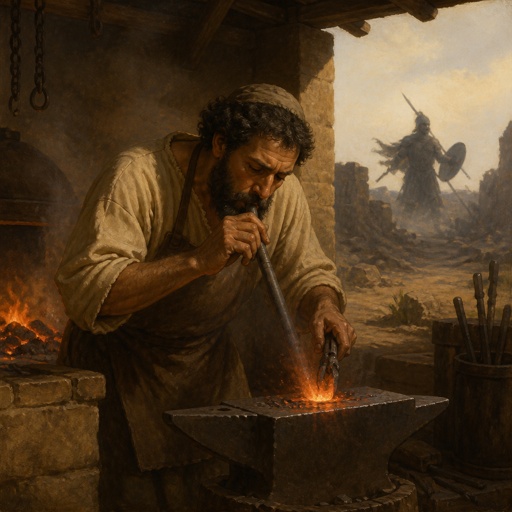
"Behold, I have created the smith that bloweth the coals in the fire, and that bringeth forth an instrument for his work; and I have created the waster to destroy." - Isaiah 54:16

Ezekiel 16:56 - "For thy sister Sodom was not mentioned by thy mouth in the day of thy pride,"

Ezekiel 39:16 - "And also the name of the city shall be Hamonah. Thus shall they cleanse the land."

Ezekiel 16:32 - "But as a wife that committeth adultery, which taketh strangers instead of her husband!"

Ezekiel 16:58 - "Thou hast borne thy lewdness and thine abominations, saith the LORD."

Ezekiel 16:16 - "And of thy garments thou didst take, and deckedst thy high places with divers colours, and playedst the harlot thereupon: the like things shall not come, neither shall it be so."

Ezekiel 43:16 - "And the altar shall be twelve cubits long, twelve broad, square in the four squares thereof."

Ezekiel 3:16 - "And it came to pass at the end of seven days, that the word of the LORD came unto me, saying,"

Ezekiel 16:62 - "And I will establish my covenant with thee; and thou shalt know that I am the LORD:"

Ezekiel 16:23 - "And it came to pass after all thy wickedness, (woe, woe unto thee! saith the Lord GOD;)"

Ezekiel 21:16 - "Go thee one way or other, either on the right hand, or on the left, whithersoever thy face is set."

Ezekiel 16:21 - "That thou hast slain my children, and delivered them to cause them to pass through the fire for them?"

Ezekiel 42:16 - "He measured the east side with the measuring reed, five hundred reeds, with the measuring reed round about."

Ezekiel 16:12 - "And I put a jewel on thy forehead, and earrings in thine ears, and a beautiful crown upon thine head."

"¶ Wherefore, O harlot, hear the word of the LORD:" - Ezekiel 16:35

Ezekiel 47:16 - "Hamath, Berothah, Sibraim, which is between the border of Damascus and the border of Hamath; Hazar-hatticon, which is by the coast of Hauran."

Ezekiel 20:16 - "Because they despised my judgments, and walked not in my statutes, but polluted my sabbaths: for their heart went after their idols."

Ezekiel 16:11 - "I decked thee also with ornaments, and I put bracelets upon thy hands, and a chain on thy neck."

Ezekiel 16:50 - "And they were haughty, and committed abomination before me: therefore I took them away as I saw good."

Ezekiel 22:16 - "And thou shalt take thine inheritance in thyself in the sight of the heathen, and thou shalt know that I am the LORD."

Ezekiel 23:16 - "And as soon as she saw them with her eyes, she doted upon them, and sent messengers unto them into Chaldea."

Ezekiel 16:29 - "Thou hast moreover multiplied thy fornication in the land of Canaan unto Chaldea; and yet thou wast not satisfied herewith."