What does Ezekiel 16:6 mean?
"And when I passed by thee, and saw thee polluted in thine own blood, I said unto thee when thou wast in thy blood, Live; yea, I said unto thee when thou wast in thy blood, Live." - Ezekiel 16:6
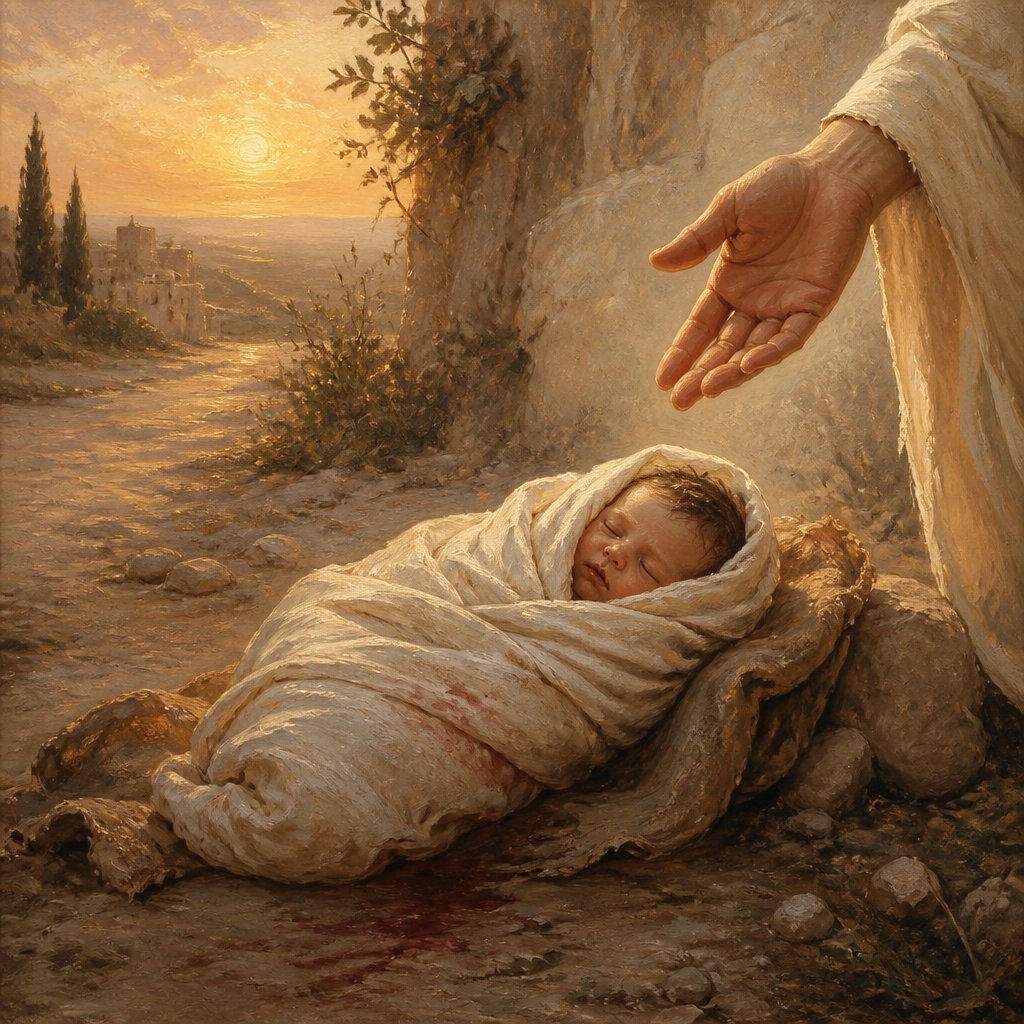
Ezekiel 16:6 (KJV) declares, "And when I passed by thee, and saw thee polluted in thine own blood, I said unto thee when thou wast in thy blood, Live; yea, I said unto thee when thou wast in thy blood, Live."
This powerful verse is part of a larger passage in the book of Ezekiel that contains a metaphorical depiction of Israel's history, using the imagery of a newborn girl abandoned and then nurtured by God. This passage is a vivid portrayal of God's unending love and faithfulness to His people, despite their repeated unfaithfulness to Him.
To fully grasp the depth of the meaning in Ezekiel 16:6, it is important to consider the context in which this verse appears. The preceding verses describe Israel as an abandoned newborn who is left to die, covered in her own blood, symbolizing the filth and sin of the nation. Despite this dire situation, God intervenes and speaks life into her, commanding her to live.
This passage is a powerful metaphor for God's redemptive love and faithfulness towards His people. Despite the depth of their sin and disobedience, God reaches out to them, offering new life and a chance for restoration. The imagery of being "polluted in thine own blood" depicts the profound state of degradation and sin that the Israelites had fallen into. It emphasizes their helpless and desperate condition, highlighting the need for divine intervention.
The verse continues with God's emphatic declaration, "Live; yea, I said unto thee when thou wast in thy blood, Live." This repeated affirmation of life in the midst of death and sin showcases God's unwavering commitment to His people. It emphasizes His power to bring life out of the deepest darkness and His determination to restore and renew those who have strayed from Him.
The themes presented in Ezekiel 16:6 are profound and relevant to all believers. It speaks to the unwavering love and grace of God, despite our failures and shortcomings. It portrays God as a compassionate and merciful Father who does not abandon His children, even in their darkest moments.
The symbolism in this verse is rich and multifaceted. The depiction of being "polluted in thine own blood" represents the defilement and guilt of sin. The act of God speaking life into the dead and dying emphasizes His divine power and authority over life and death. It also symbolizes the transformative and redemptive nature of God's love, as He breathes new life into those who are spiritually dead.
Overall, Ezekiel 16:6 serves as a powerful reminder of God's boundless love and grace. It challenges believers to recognize their own sinfulness and desperate need for God's intervention, while also instilling hope and confidence in His ability to bring renewal and restoration. It is a call to repentance and a testimony to the unchanging and merciful nature of God.
Have questions about Ezekiel 16:6?
Dive deeper into this scripture with Bible Chat — an AI-powered tool for exploring God's Word through conversation. Ask questions, get context, and grow in your understanding of the Bible.
Get Our Apps


Ezekiel 16:6 Artwork

Ezekiel 16:6 - "¶ And when I passed by thee, and saw thee polluted in thine own blood, I said unto thee when thou wast in thy blood, Live; yea, I said unto thee when thou wast in thy blood, Live."
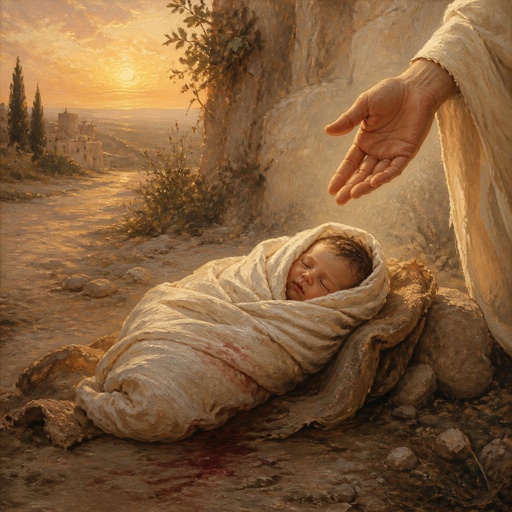
"¶ And when I passed by thee, and saw thee polluted in thine own blood, I said unto thee when thou wast in thy blood, Live; yea, I said unto thee when thou wast in thy blood, Live." - Ezekiel 16:6

Ezekiel 14:6

Ezekiel 16:35 - "¶ Wherefore, O harlot, hear the word of the LORD:"

Ezekiel 36:16 - "¶ Moreover the word of the LORD came unto me, saying,"

Ezekiel 16:2 - "Son of man, cause Jerusalem to know her abominations,"

Ezekiel 1:6-13

Ezekiel 16:1 - "Again the word of the LORD came unto me, saying,"

Ezekiel 45:16 - "All the people of the land shall give this oblation for the prince in Israel."

Ezekiel 16:56 - "For thy sister Sodom was not mentioned by thy mouth in the day of thy pride,"

Ezekiel 39:16 - "And also the name of the city shall be Hamonah. Thus shall they cleanse the land."

Ezekiel 16:32 - "But as a wife that committeth adultery, which taketh strangers instead of her husband!"

Ezekiel 16:58 - "Thou hast borne thy lewdness and thine abominations, saith the LORD."

Genesis 16:6

Ezra 6:16

Ezekiel 6:1 - "And the word of the LORD came unto me, saying,"

Ezekiel 16:16 - "And of thy garments thou didst take, and deckedst thy high places with divers colours, and playedst the harlot thereupon: the like things shall not come, neither shall it be so."

John 6:16

Ezekiel 43:16 - "And the altar shall be twelve cubits long, twelve broad, square in the four squares thereof."

Ezekiel 3:16 - "And it came to pass at the end of seven days, that the word of the LORD came unto me, saying,"

Ezekiel 16:62 - "And I will establish my covenant with thee; and thou shalt know that I am the LORD:"

Ezekiel 7:6 - "An end is come, the end is come: it watcheth for thee; behold, it is come."

Mark 16:6-8

Mark 16:6-8

Ezekiel 16:23 - "And it came to pass after all thy wickedness, (woe, woe unto thee! saith the Lord GOD;)"

Ezekiel 21:16 - "Go thee one way or other, either on the right hand, or on the left, whithersoever thy face is set."

Mark 16:6-8

Ezra 6:15-16

Ezra 6:15-16

Ezekiel 16:21 - "That thou hast slain my children, and delivered them to cause them to pass through the fire for them?"