What does Ezekiel 20:13 mean?
"But the house of Israel rebelled against me in the wilderness: they walked not in my statutes, and they despised my judgments, which if a man do, he shall even live in them; and my sabbaths they greatly polluted: then I said, I would pour out my fury upon them in the wilderness, to consume them." - Ezekiel 20:13
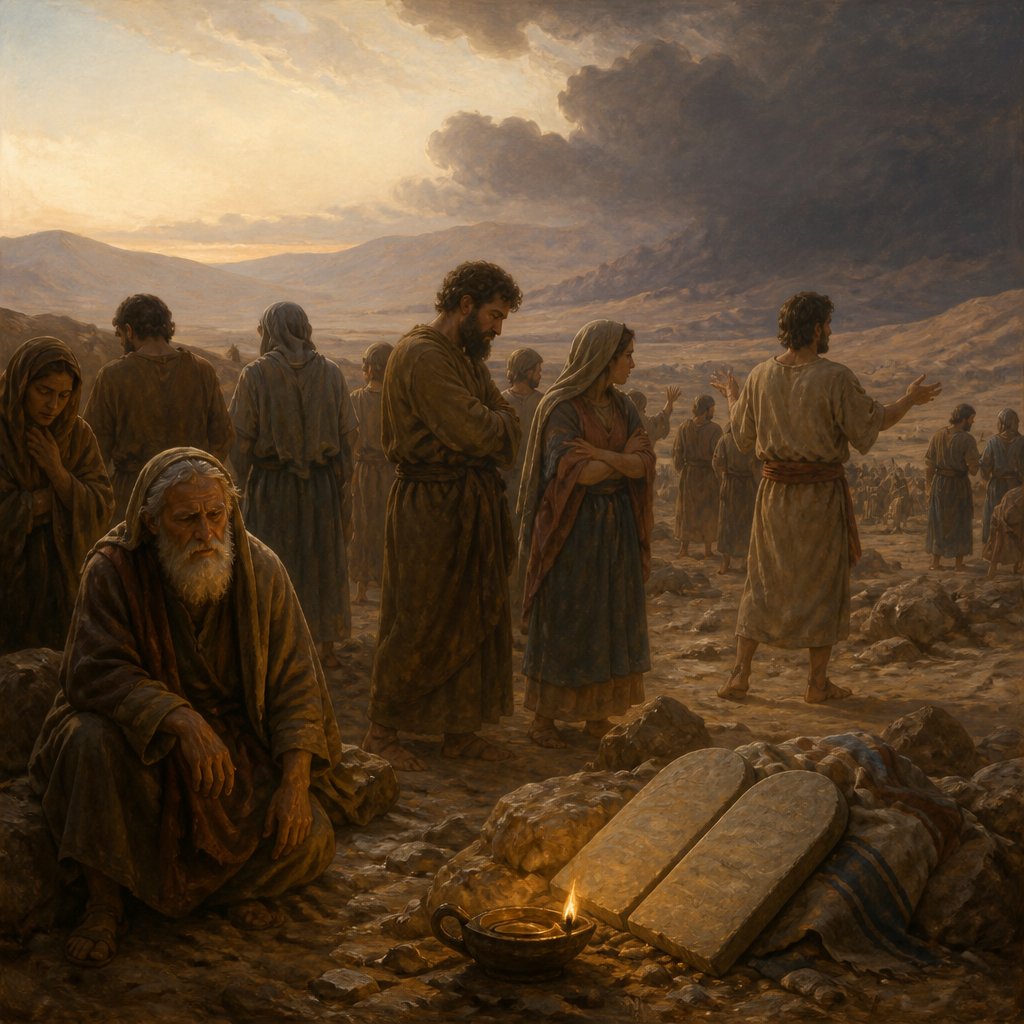
Ezekiel 20:13 (KJV) states, "But the house of Israel rebelled against me in the wilderness: they walked not in my statutes, and they despised my judgments, which if a man do, he shall even live in them; and my sabbaths they greatly polluted: then I said, I would pour out my fury upon them in the wilderness, to consume them."
This verse is part of a passage in which the prophet Ezekiel is recounting the history of the Israelites and their continual rebellion against God. The passage serves as a reminder of God's faithfulness and the people's unfaithfulness, and it has a powerful message about the consequences of disobedience.
To understand the significance of this verse, it's important to consider its broader context within the book of Ezekiel. In the preceding verses, God recounts how he led the Israelites out of Egypt and into the wilderness, promising to make them a great nation and to give them a land flowing with milk and honey. However, when they were in the wilderness, the Israelites rebelled against God and refused to obey his commandments. This disobedience led to God's anger and his declaration that he would pour out his fury upon them.
The theme of rebellion and disobedience is central to this passage. The Israelites, despite experiencing God's deliverance and provision, chose to turn away from God and follow their own desires. This disobedience led to consequences, as God declared that he would pour out his fury upon them. This divine retribution highlights the seriousness of rebellion and the importance of obedience to God's commandments.
The mention of the Israelites "walking not in my statutes" and "despising my judgments" underscores the deliberate nature of their rebellion. It shows that their disobedience was not a result of ignorance or misunderstanding, but rather a conscious decision to reject God's authority and go against his will. This highlights the depth of their sin and the severity of their actions, which ultimately led to God's judgment.
Another significant aspect of this verse is the desecration of the sabbaths. The Israelites greatly polluted the sabbaths, which were meant to be a time of rest, worship, and remembrance of God's faithfulness. By disregarding the sabbaths, the people showed a lack of reverence for God and his appointed times, further illustrating their rebellion and disregard for God's commands.
Symbolically, the wilderness represents a period of testing and refining. The Israelites' rebellion in the wilderness reflects the broader theme of humanity's struggle with sin and disobedience. It serves as a reminder of the consequences of turning away from God and the need for repentance and obedience.
Overall, Ezekiel 20:13 serves as a cautionary tale about the consequences of disobedience and the importance of faithfulness to God. It underscores the seriousness of rebellion and the need for repentance and obedience to God's commands. This passage also points to the broader theme of God's faithfulness and humanity's continual struggle with sin, providing valuable lessons for spiritual growth and renewal.
Have questions about Ezekiel 20:13?
Dive deeper into this scripture with Bible Chat — an AI-powered tool for exploring God's Word through conversation. Ask questions, get context, and grow in your understanding of the Bible.
Get Our Apps


Ezekiel 20:13 Artwork
Ezekiel 20:13 - "But the house of Israel rebelled against me in the wilderness: they walked not in my statutes, and they despised my judgments, which if a man do, he shall even live in them; and my sabbaths they greatly polluted: then I said, I would pour out my fury upon them in the wilderness, to consume them."
"But the house of Israel rebelled against me in the wilderness: they walked not in my statutes, and they despised my judgments, which if a man do, he shall even live in them; and my sabbaths they greatly polluted: then I said, I would pour out my fury upon them in the wilderness, to consume them." - Ezekiel 20:13

Ezekiel 20:41

Ezekiel 20:41

Ezekiel 20:40

Ezekiel 20:41

Ezekiel 20:40

Ezekiel 20:40

Ezekiel 20:41

Ezekiel 20:41

Ezekiel 20:40

Ezekiel 20:41

Ezekiel 13:20 - "Wherefore thus saith the Lord GOD; Behold, I am against your pillows, wherewith ye there hunt the souls to make them fly, and I will tear them from your arms, and will let the souls go, even the souls that ye hunt to make them fly."

Ezekiel 28:13

Ezekiel 27:20 - "Dedan was thy merchant in precious clothes for chariots."

Ezekiel 20:2 - "Then came the word of the LORD unto me, saying,"

Luke 13:20-21

Luke 13:20-21
Luke 13:20-21

Luke 13:20-21

Luke 13:20-21

Ezekiel 1:6-13

Ezekiel 28:20 - "¶ Again the word of the LORD came unto me, saying,"

Ezekiel 20:45 - "¶ Moreover the word of the LORD came unto me, saying,"

Ezekiel 20:20 - "And hallow my sabbaths; and they shall be a sign between me and you, that ye may know that I am the LORD your God."

Genesis 20-13

hebrew 13:20

Ezekiel 37:20 - "¶ And the sticks whereon thou writest shall be in thine hand before their eyes."

Ezekiel 13:1 - "And the word of the LORD came unto me, saying,"

Exodus 20:13 - "Thou shalt not kill."