What does Ezekiel 20:37 mean?
“And I will cause you to pass under the rod, and I will bring you into the bond of the covenant:” — Ezekiel 20:37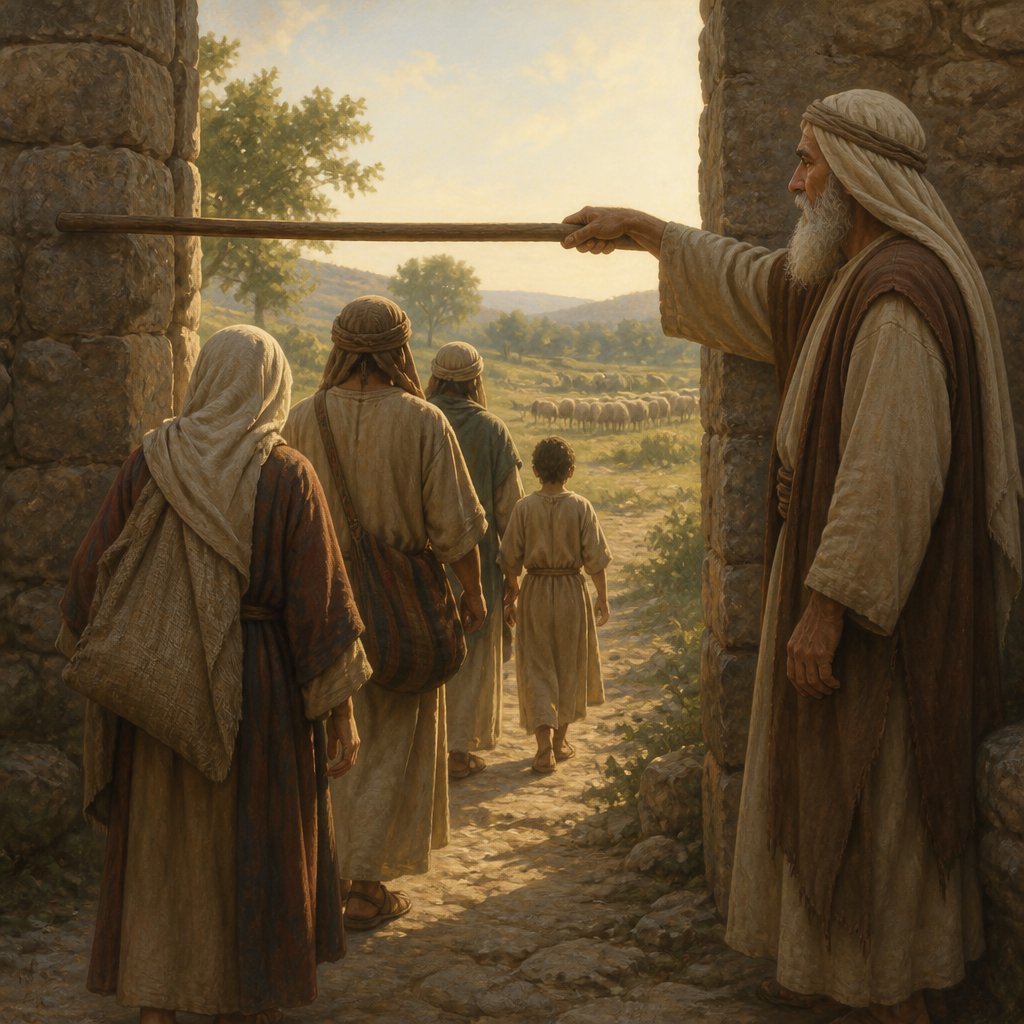
Ezekiel 20:37 (KJV) says, "And I will cause you to pass under the rod, and I will bring you into the bond of the covenant."
This verse is a part of the prophecy of Ezekiel, which is found in the Old Testament of the Bible. In this verse, God is speaking to the Israelites and discussing the consequences of their disobedience and idolatry. The phrase "I will cause you to pass under the rod" refers to the practice of shepherds using a rod to count and inspect their sheep. This imagery suggests that God will carefully examine and judge the Israelites, just as a shepherd would inspect his flock.
The second part of the verse, "I will bring you into the bond of the covenant," signifies God's desire to restore the Israelites to a right relationship with Him. Despite their disobedience, God is still willing to bring them back into a covenant relationship with Him. This shows God's faithfulness and commitment to His people, even when they stray from Him.
One of the key themes in this verse is the idea of covenant and relationship. Throughout the Bible, God establishes covenants with His people as a way of expressing His love, grace, and commitment to them. The covenant represents the deep bond between God and His people, and it entails both blessings and responsibilities. In this verse, God is expressing His intention to bring the Israelites back under the bond of the covenant, reaffirming His commitment to them despite their disobedience.
Another important theme in this verse is the concept of discipline. The imagery of passing under the rod denotes a process of discipline and purification. Just as a shepherd disciplines and cares for his flock, God disciplines His people out of love and a desire for their spiritual growth and restoration. This discipline is intended to lead the Israelites back to a right relationship with God and to help them understand the seriousness of their disobedience.
The historical context of this verse is important for understanding its significance. At the time of Ezekiel's prophecy, the Israelites had consistently disobeyed God's commandments and turned to idolatry. As a result, they faced the judgment and discipline of God. This verse serves as a reminder of the consequences of disobedience, but also the opportunity for repentance and restoration.
The symbolism in this verse is rich and meaningful. The rod represents God's authority and discipline, as well as His guidance and protection. It also symbolizes the careful inspection and counting of the sheep, portraying God's intimate knowledge and care for His people. The bond of the covenant symbolizes the deep and unbreakable relationship between God and His people, as well as the restoration and grace that God offers to the repentant.
In conclusion, Ezekiel 20:37 (KJV) conveys a powerful message about God's discipline, faithfulness, and desire for restoration. It reminds us of the importance of staying true to the covenant relationship with God, as well as the consequences of disobedience. This verse serves as a call to repentance and a promise of God's enduring love and commitment to His people. It is a timeless reminder of God's sovereignty, grace, and the depth of His relationship with His people.
Get our apps


Artwork for Ezekiel 20:37

Ezekiel 20:37 - "And I will cause you to pass under the rod, and I will bring you into the bond of the covenant:"
"And I will cause you to pass under the rod, and I will bring you into the bond of the covenant:" - Ezekiel 20:37

Ezekiel 37:20 - "¶ And the sticks whereon thou writest shall be in thine hand before their eyes."
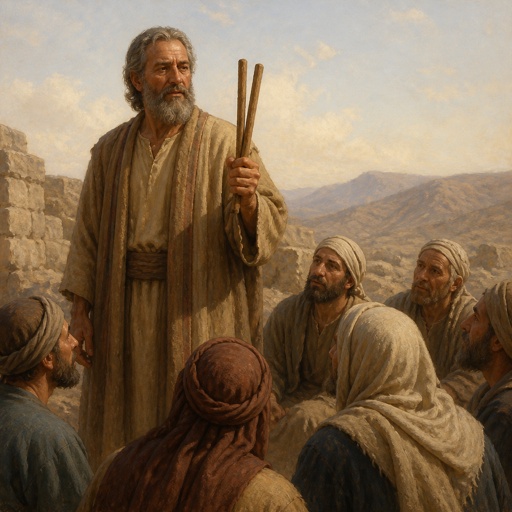
"¶ And the sticks whereon thou writest shall be in thine hand before their eyes." - Ezekiel 37:20
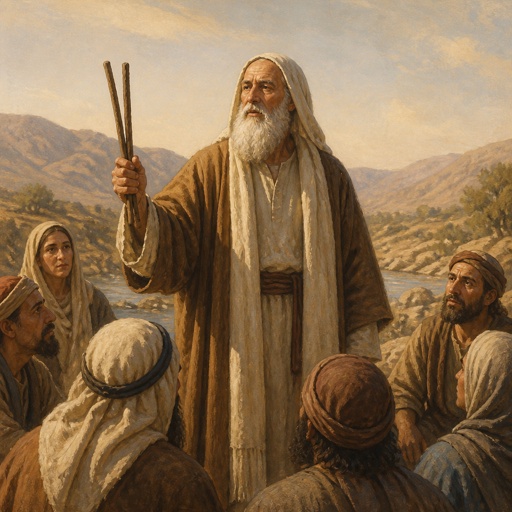
"¶ And the sticks whereon thou writest shall be in thine hand before their eyes." - Ezekiel 37:20

Ezekiel 37

Ezekiel 37:7

ezekiel 37 dry bones

Ezekiel 37:1-10 – The valley of dry bones.

Ezekiel 37 1-7

Ezekiel 37:1-10 – The vision of the valley of dry bones.

Ezekiel 37:1-10 – The vision of the valley of dry bones.

2 Chronicles 20:37

Ezekiel 37:15 - "¶ The word of the LORD came again unto me, saying,"

Acts 20:37 - "And they all wept sore, and fell on Paul's neck, and kissed him,"

Ezekiel 37:27 - "My tabernacle also shall be with them: yea, I will be their God, and they shall be my people."

Ezekiel 37:17 - "And join them one to another into one stick; and they shall become one in thine hand."

Full picture of dry bones Ezekiel 37:1-14

Ezekiel 20:41

Ezekiel 20:41

Ezekiel 20:40

Ezekiel 20:41

in the context of Ezekiel 37, draw a valley full of dry human bones

Exodus 37:20 - "And in the candlestick were four bowls made like almonds, his knops, and his flowers:"

Ezekiel 20:40

Ezekiel 20:40

Ezekiel 20:41

Ezekiel 20:41

Ezekiel 20:40

Ezekiel 20:41