What does Ezekiel 20:4 mean?
“Wilt thou judge them, son of man, wilt thou judge them? cause them to know the abominations of their fathers:” — Ezekiel 20:4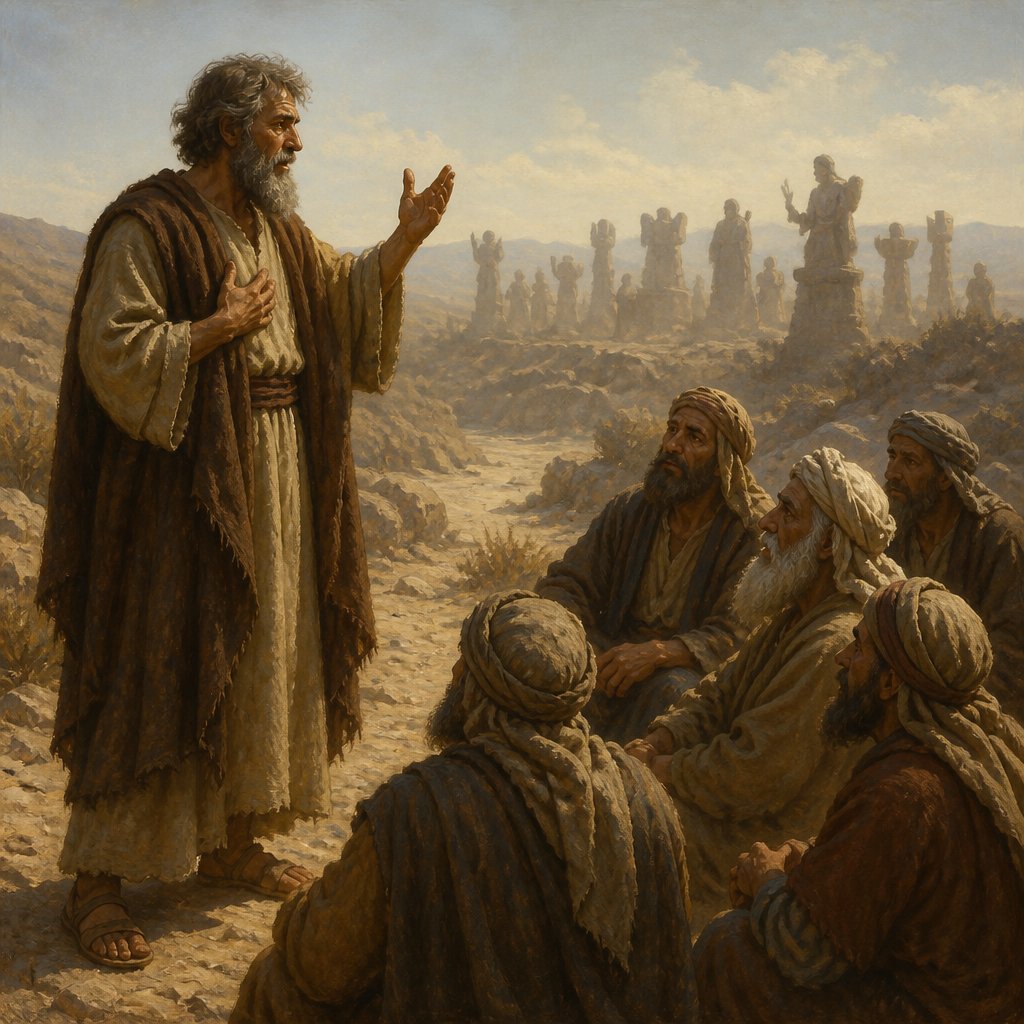
Ezekiel 20:4 (KJV) states, "Wilt thou judge them, son of man, wilt thou judge them? cause them to know the abominations of their fathers." This verse is part of a larger passage in the book of Ezekiel, which is known for its powerful and often complex imagery, prophecies, and messages. In order to understand the full meaning and context of this verse, it is important to consider the overall themes and symbolism present in the book of Ezekiel.
The book of Ezekiel was written by the prophet Ezekiel during the Babylonian exile of the Israelites. It is a deeply symbolic and visionary work, filled with depictions of divine visions and messages from God. In this particular verse, God is speaking to Ezekiel, addressing him as "son of man." This title is a reminder of Ezekiel's humanity and his role as a messenger for God to the people of Israel.
The verse begins with a question from God, "Wilt thou judge them, son of man, wilt thou judge them?" This question is a call to action for Ezekiel. It is a reminder of his responsibility to act as a judge and to bring the people of Israel to account for their actions. Throughout the book of Ezekiel, there is a recurring theme of judgment and accountability. The people of Israel are repeatedly called to repent and turn away from their sinful ways, and Ezekiel serves as a conduit for this message.
The second part of the verse states, "cause them to know the abominations of their fathers." This portion of the verse speaks to the importance of recognizing and acknowledging the sins of past generations. The Israelites are being reminded of the mistakes and transgressions of their ancestors, and the need to learn from these past actions in order to avoid repeating them. This theme of generational sin and the concept of breaking free from a cycle of wrongdoing is a central message in the book of Ezekiel.
In a broader sense, this verse also speaks to the universal human experience of grappling with the legacy of past actions and the need to confront and address them. The concept of breaking free from the sins of our forefathers, of recognizing the abominations of past generations, and of taking responsibility for our own actions and choices is a profound and timeless theme that resonates across cultures and time periods.
Symbolically, this verse can be seen as a call to self-reflection and examination of one's own actions and the impact of the actions of those who came before. It is a reminder of the need to learn from the mistakes of the past in order to build a better future. Additionally, the role of Ezekiel as a judge and messenger can be seen as representative of the prophetic tradition and the importance of seeking and speaking truth in the face of adversity.
In conclusion, Ezekiel 20:4 is a powerful and thought-provoking verse that addresses themes of judgment, accountability, and the legacy of past actions. It serves as a reminder of the importance of recognizing and learning from the mistakes of previous generations, and the need to take responsibility for our own actions. In its broader context, this verse is emblematic of the larger themes found within the book of Ezekiel and the timeless messages contained within its pages.
Get our apps


Artwork for Ezekiel 20:4

Ezekiel 20:4 - "Wilt thou judge them, son of man, wilt thou judge them? cause them to know the abominations of their fathers:"
"Wilt thou judge them, son of man, wilt thou judge them? cause them to know the abominations of their fathers:" - Ezekiel 20:4

Ezekiel 20:41

Ezekiel 20:40

Ezekiel 20:41

Ezekiel 20:41

Ezekiel 20:40

Ezekiel 20:40

Ezekiel 20:41

Ezekiel 20:40

Ezekiel 20:41

Ezekiel 20:41

Ezekiel 27:20 - "Dedan was thy merchant in precious clothes for chariots."

Ezekiel 20:2 - "Then came the word of the LORD unto me, saying,"

Ezekiel 28:20 - "¶ Again the word of the LORD came unto me, saying,"

Ezekiel 20:45 - "¶ Moreover the word of the LORD came unto me, saying,"

Ezekiel 20:20 - "And hallow my sabbaths; and they shall be a sign between me and you, that ye may know that I am the LORD your God."

Ezekiel 41:4 - "So he measured the length thereof, twenty cubits; and the breadth, twenty cubits, before the temple: and he said unto me, This is the most holy place."

Ezekiel 37:20 - "¶ And the sticks whereon thou writest shall be in thine hand before their eyes."

Ezekiel 24:20 - "Then I answered them, The word of the LORD came unto me, saying,"

Ezekiel 21:20 - "Appoint a way, that the sword may come to Rabbath of the Ammonites, and to Judah in Jerusalem the defenced."

Ezekiel 20:48 - "And all flesh shall see that I the LORD have kindled it: it shall not be quenched."

Ezekiel 20:35 - "And I will bring you into the wilderness of the people, and there will I plead with you face to face."

1 Corinthians 4:20

1 Corinthians 4:20

1 Corinthians 4:20

1 Corinthians 4:20

Ezekiel 34:3–4

Ezekiel 20:49 - "Then said I, Ah Lord GOD! they say of me, Doth he not speak parables?"

Ezekiel 4:1-3