What does Ezekiel 23:6 mean?
“Which were clothed with blue, captains and rulers, all of them desirable young men, horsemen riding upon horses.” — Ezekiel 23:6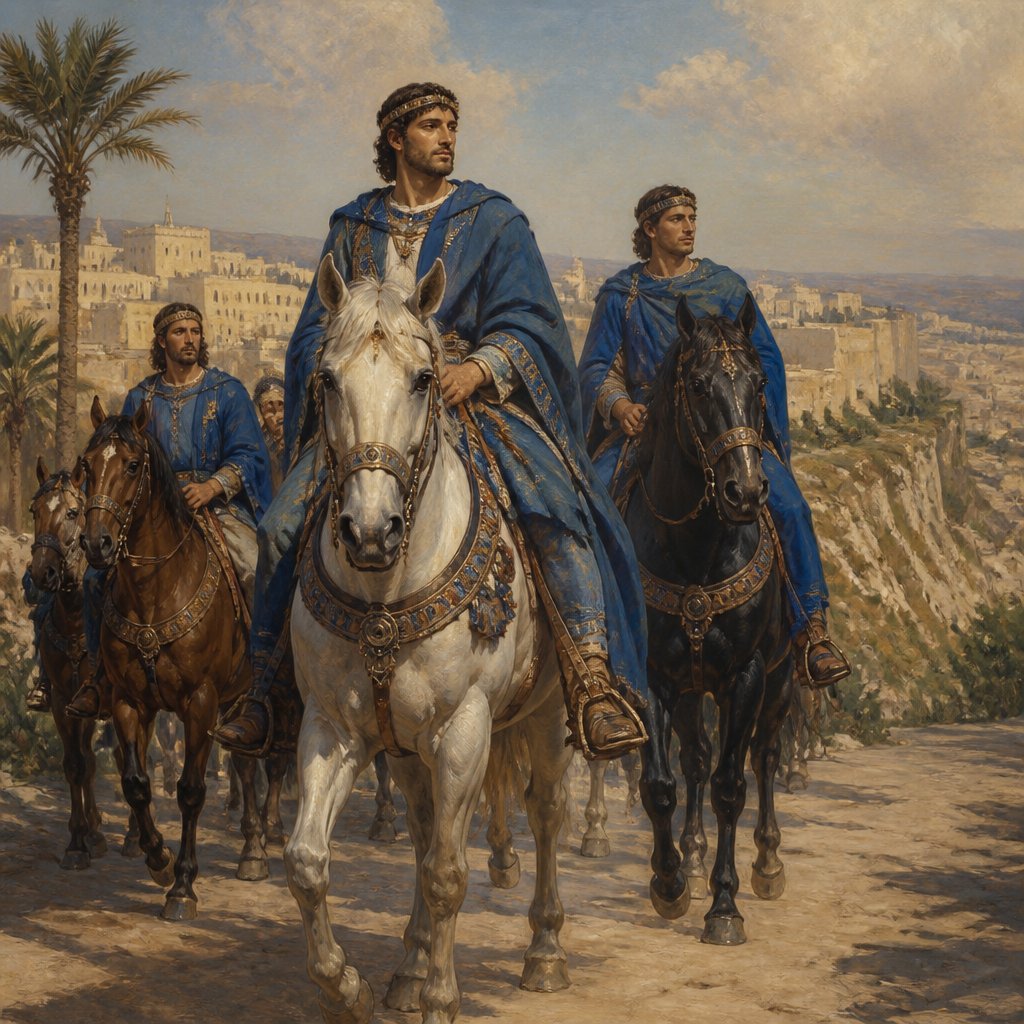
Ezekiel 23:6 in the King James Version reads, "Which were clothed with blue, captains and rulers, all of them desirable young men, horsemen riding upon horses." This verse is part of a larger passage that describes the unfaithfulness and sinfulness of Israel and Judah, using the metaphor of two sisters, Oholah and Oholibah, to represent the two kingdoms.
To truly understand the meaning and commentary behind this verse, it is important to delve into the historical and cultural context of the book of Ezekiel. The prophet Ezekiel lived during the Babylonian exile of the Israelites, and his prophecies were directed towards the exiled Israelites as well as those who remained in Judah. The book of Ezekiel contains messages of warning, judgment, and hope, and is meant to call the people to repentance and faithfulness to God.
In the larger context of Ezekiel 23, the chapter uses the metaphor of two sisters engaging in acts of adultery to symbolize the unfaithfulness of Israel and Judah to God. Oholah represents Samaria, the capital of the northern kingdom of Israel, while Oholibah represents Jerusalem, the capital of the southern kingdom of Judah. The verse in question describes the young and desirable men who were associated with these two sisters, emphasizing their physical appearance and attractiveness. The use of the color blue, which was often associated with royalty and nobility in ancient times, further emphasizes the prestige and status of these men.
The mention of these young men as captains, rulers, and horsemen conveys a sense of power, authority, and military prowess. In the ancient Near East, horses and chariots were symbols of military strength and warfare, and having a well-equipped cavalry was a sign of wealth and influence. The image of these men riding upon horses would have been a powerful and imposing sight, further emphasizing their importance and status in society.
In a broader theological context, this verse serves as a reminder of the Israelites' tendency to place their trust and confidence in worldly power and material wealth rather than in God. By highlighting the allure and desirability of these young men, the verse suggests that the people of Israel and Judah were drawn to the trappings of power and status, even if it meant compromising their faith and relationship with God.
The symbolism in this verse also serves as a warning against the seductive nature of worldly attractions and the temptation to prioritize earthly pursuits over spiritual ones. The imagery of these young men being clothed in blue, riding horses, and holding positions of authority serves as a cautionary tale about the dangers of placing too much emphasis on outward appearances and worldly success.
Overall, Ezekiel 23:6, within the broader context of Ezekiel 23 and the book of Ezekiel as a whole, serves as a powerful indictment of the Israelites' unfaithfulness and their misplaced priorities. It is a call to repentance and a reminder of the consequences of forsaking God in favor of worldly pursuits. The verse challenges believers to reevaluate their allegiances and to prioritize their relationship with God above all else.
Get our apps


Artwork for Ezekiel 23:6

Ezekiel 23:6 - "Which were clothed with blue, captains and rulers, all of them desirable young men, horsemen riding upon horses."
"Which were clothed with blue, captains and rulers, all of them desirable young men, horsemen riding upon horses." - Ezekiel 23:6

Ezekiel 41:23 - "And the temple and the sanctuary had two doors."

Ezekiel 22:23 - "¶ And the word of the LORD came unto me, saying,"

Ezekiel 33:23 - "Then the word of the LORD came unto me, saying,"

Matthew 6:23

Ezekiel 23:1 - "The word of the LORD came again unto me, saying,"

Ezekiel 14:6

Ezekiel 23:2 - "Son of man, there were two women, the daughters of one mother:"

Ezekiel 23:13 - "Then I saw that she was defiled, that they took both one way,"

Ezekiel 30:23 - "And I will scatter the Egyptians among the nations, and will disperse them through the countries."

Ezekiel 7:23 - "¶ Make a chain: for the land is full of bloody crimes, and the city is full of violence."

Romans 6:23

Romans 6:23

Ezekiel 27:23 - "Haran, and Canneh, and Eden, the merchants of Sheba, Asshur, and Chilmad, were thy merchants."

Genesis 23-6

Ezekiel 1:6-13

Ezekiel 23:23 - "The Babylonians, and all the Chaldeans, Pekod, and Shoa, and Koa, and all the Assyrians with them: all of them desirable young men, captains and rulers, great lords and renowned, all of them riding upon horses."

"And the temple and the sanctuary had two doors." - Ezekiel 41:23

Ezekiel 23:43 - "Then said I unto her that was old in adulteries, Will they now commit whoredoms with her, and she with them?"

Ezekiel 23:26 - "They shall also strip thee out of thy clothes, and take away thy fair jewels."

Ezekiel 23:33 - "Thou shalt be filled with drunkenness and sorrow, with the cup of astonishment and desolation, with the cup of thy sister Samaria."

Ezekiel 48:23 - "As for the rest of the tribes, from the east side unto the west side, Benjamin shall have a portion."

Ezekiel 16:23 - "And it came to pass after all thy wickedness, (woe, woe unto thee! saith the Lord GOD;)"

Ezekiel 23:31 - "Thou hast walked in the way of thy sister; therefore will I give her cup into thine hand."

Ezekiel 23:5 - "And Aholah played the harlot when she was mine; and she doted on her lovers, on the Assyrians her neighbours,"

Ezekiel 23:20 - "For she doted upon their paramours, whose flesh is as the flesh of asses, and whose issue is like the issue of horses."

Ezekiel 6:1 - "And the word of the LORD came unto me, saying,"

Ezekiel 13:18-23 Add the verse in the artwork written in words
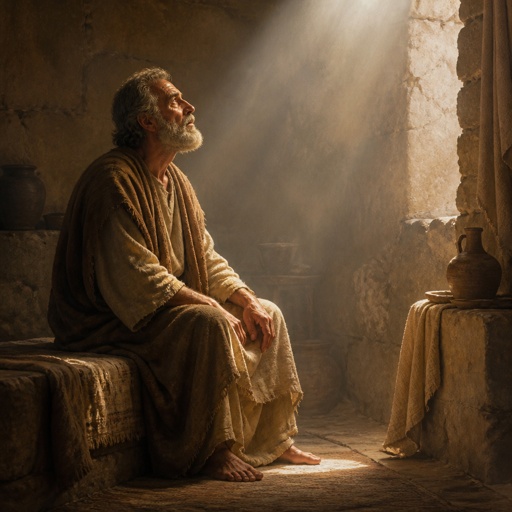
"¶ And the word of the LORD came unto me, saying," - Ezekiel 22:23