What does Ezekiel 24:19 mean?
“And the people said unto me, Wilt thou not tell us what these things are to us, that thou doest so?” — Ezekiel 24:19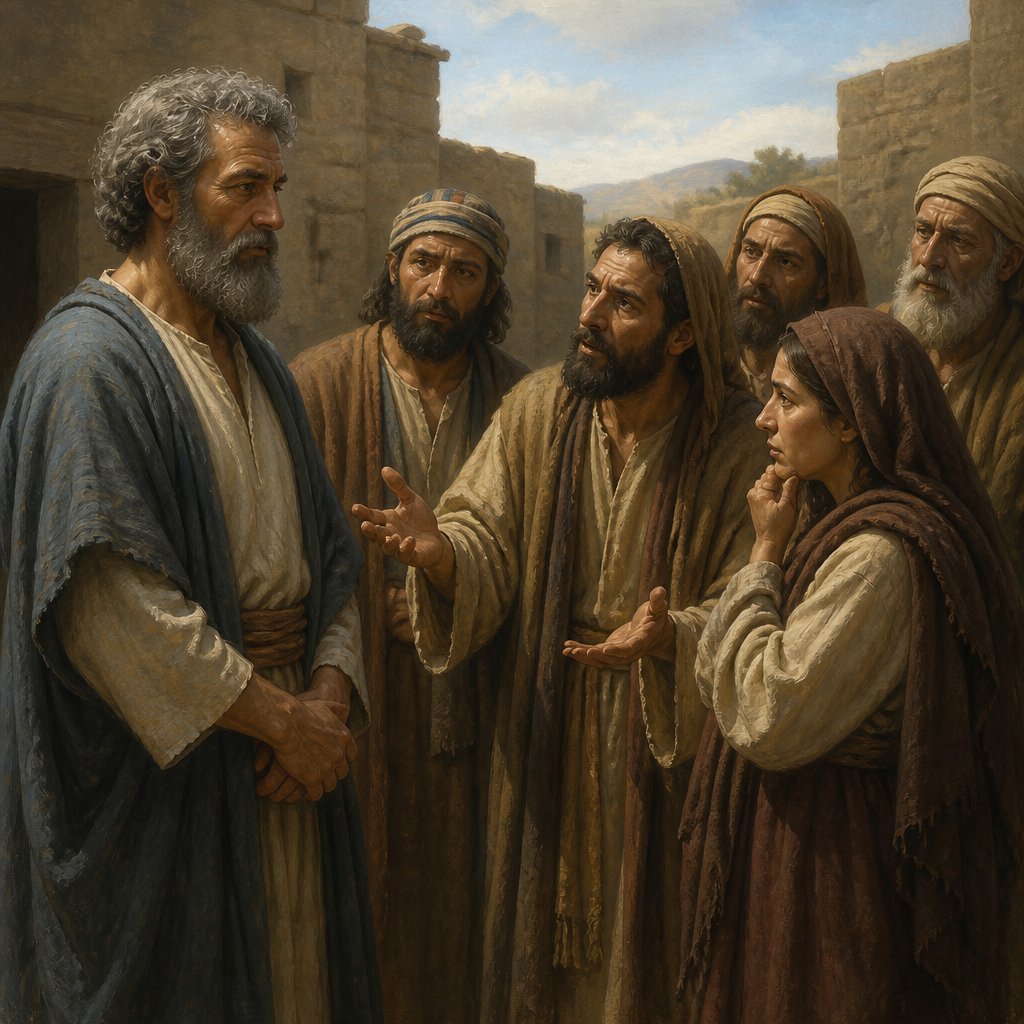
Ezekiel 24:19 in the King James Version (KJV) of the Bible reads, "And the people said unto me, Wilt thou not tell us what these things are to us, that thou doest so?" This verse is part of a larger passage in the book of Ezekiel that recounts the prophet's experience of losing his wife, and the response of the people to his actions during this time. In order to fully understand the meaning and significance of this verse, it is important to examine it in the context of the surrounding verses and the overall themes of the book of Ezekiel.
The book of Ezekiel is a prophetic book in the Old Testament that is attributed to the prophet Ezekiel, who lived during the time of the Babylonian exile. The book is known for its vivid imagery and dramatic symbolism, and it contains messages of warning and judgment for the people of Israel. The overarching themes in the book of Ezekiel include the consequences of sin and rebellion, the faithfulness and mercy of God, and the promise of restoration and redemption.
In the specific passage of Ezekiel 24:15-27, the prophet Ezekiel experiences the loss of his wife as a symbol of the impending destruction of Jerusalem. In verse 16, God tells Ezekiel that he will take away the desire of his eyes with a stroke, and that he is not to mourn or weep for her. This is a powerful and emotional moment for Ezekiel, as he is called to demonstrate the devastating impact of the judgment that is about to come upon the people of Israel. The loss of his wife serves as a tangible representation of the pain and suffering that the people will endure.
In the immediate context of Ezekiel 24:19, the people approach Ezekiel and ask him to explain the significance of his actions. They want to understand the meaning behind his behavior, as they are curious and possibly confused about why he is not mourning for his wife. This question reflects the general attitude of the people throughout the book of Ezekiel – they are often perplexed by the prophet's words and actions, and they seek clarification and understanding.
The people's question in verse 19 also carries deeper theological implications. It speaks to the human struggle to make sense of suffering and loss, and to find meaning in the midst of tragedy. The people are grappling with the larger issues of divine judgment and the consequences of sin, and they are looking to Ezekiel for insight and guidance.
Symbolically, Ezekiel's response to the people's question serves as a reflection of God's own response to the people of Israel. Throughout the book of Ezekiel, God speaks through the prophet to communicate His purposes and judgments. In this passage, Ezekiel is embodying the role of a messenger and a representative of God, and his actions and words carry a weighty significance for the people.
Overall, Ezekiel 24:19 is a poignant and thought-provoking verse that captures the complex emotions and themes of the book of Ezekiel. It speaks to the deep human desire for understanding and meaning in the midst of suffering, and it serves as a powerful reminder of the larger theological truths that are at play in the narrative. This verse is an integral part of the prophetic message of Ezekiel, and it offers profound insights into the ways in which God communicates with His people and calls them to repentance and renewal.
Get our apps


Artwork for Ezekiel 24:19

Ezekiel 24:19 - "¶ And the people said unto me, Wilt thou not tell us what these things are to us, that thou doest so?"
"¶ And the people said unto me, Wilt thou not tell us what these things are to us, that thou doest so?" - Ezekiel 24:19

Ezekiel 24:24 - "Thus Ezekiel is unto you a sign: according to all that he hath done shall ye do: and when this cometh, ye shall know that I am the Lord GOD."

Ezekiel 28:11-19

Ezekiel 28:11-19

Ezekiel 28:11-19

Ezekiel 28:11-19

Ezekiel 28:11-19

Ezekiel 28:11-19

Genesis 24-19

Genesis 19-24

Genesis 19:24

2 Samuel 19:24

Ezekiel 24:15 - "¶ Also the word of the LORD came unto me, saying,"

Ezekiel 24:20 - "Then I answered them, The word of the LORD came unto me, saying,"

Ezekiel 19:13 - "And now she is planted in the wilderness, in a dry and thirsty ground."

Ezekiel 19:1 - "Moreover take thou up a lamentation for the princes of Israel,"

Ezekiel 11:19 in pointillism style with no text

Job 19:24 - "That they were graven with an iron pen and lead in the rock for ever!"

Ezekiel 12:24 - "For there shall be no more any vain vision nor flattering divination within the house of Israel."

Ezekiel 48:19 - "And they that serve the city shall serve it out of all the tribes of Israel."

Ezekiel 24:4 - "Gather the pieces thereof into it, even every good piece, the thigh, and the shoulder; fill it with the choice bones."

Matthew 24:19 - "And woe unto them that are with child, and to them that give suck in those days!"

Joshua 19:24 - "¶ And the fifth lot came out for the tribe of the children of Asher according to their families."

2 Samuel 24:19 - "And David, according to the saying of Gad, went up as the LORD commanded."

Proverbs 24:19 - "Fret not thyself because of evil men, neither be thou envious at the wicked;"

Ezekiel 34:24 - "And I the LORD will be their God, and my servant David a prince among them; I the LORD have spoken it."

Ezekiel 24:26 - "That he that escapeth in that day shall come unto thee, to cause thee to hear it with thine ears?"

Ezekiel 48:24 - "And by the border of Benjamin, from the east side unto the west side, Simeon shall have a portion."

Ezekiel 45:24 - "And he shall prepare a meat offering of an ephah for a bullock, and an ephah for a ram, and an hin of oil for an ephah."