What does Ezekiel 28:21 mean?
“Son of man, set thy face against Zidon, and prophesy against it,” — Ezekiel 28:21
Ezekiel 28:21 (KJV) states, "Son of man, set thy face against Zidon, and prophesy against it."
This verse is part of a larger passage in the book of Ezekiel, specifically in a section where the prophet Ezekiel is delivering messages from God to various nations, including Zidon. Zidon was an ancient city located in what is now Lebanon, and it was a major center of commerce and trade in the ancient Near East. In this verse, Ezekiel is directed by God to prophecy against Zidon, signaling that the city has incurred divine judgment.
The broader passage of Ezekiel 28:20-26 is a denunciation of Zidon and its inhabitants for their pride and arrogance. The passage describes how Zidon's prosperity and wealth led to pride and a sense of self-sufficiency. It speaks of how the people of Zidon grew arrogant and forgot the God who had blessed them, leading to their downfall and eventual destruction.
The message of Ezekiel 28:21 is one of warning and judgment. God is using Ezekiel to convey His displeasure with the actions and attitudes of the people of Zidon. The city and its inhabitants are being called to account for their pride and sin, and they are ultimately warned of the consequences that will follow if they do not repent and change their ways.
One of the key themes of this passage is the danger of pride and self-sufficiency. The people of Zidon are being rebuked for their arrogance and complacency, as they have become so focused on their own accomplishments and wealth that they have forgotten their dependence on God. This theme of the dangers of pride and self-reliance is a universal one that transcends the specific context of ancient Zidon. It serves as a reminder to all people of the importance of humility and reliance on God, rather than placing trust in material wealth or personal achievements.
Another important theme is that of divine judgment and accountability. The passage makes it clear that the people of Zidon will be held accountable for their actions and attitudes. Their pride and arrogance have led to their downfall, and they are now facing the consequences of their choices. This theme of accountability emphasizes the idea that actions have consequences and that we are responsible for the choices we make. It also underscores the idea of God as a just and righteous judge who holds people accountable for their behavior.
In addition to the themes of pride and judgment, this passage also contains symbolism that is worth considering. The city of Zidon itself can be seen as a symbol of worldly wealth and success, and the attitudes of the people there serve as an example of the dangers that come with such prosperity. The city's downfall and judgment can be seen as a symbol of the ultimate fate of all who place their trust in material wealth and earthly success, rather than in God.
Overall, Ezekiel 28:21 and the surrounding passage convey a powerful message about the dangers of pride and self-sufficiency, the reality of divine judgment, and the importance of accountability for our actions. It serves as a timeless reminder of the need for humility, reliance on God, and the ultimate consequences of our choices.
Get our apps


Artwork for Ezekiel 28:21

Ezekiel 28:21 - "Son of man, set thy face against Zidon, and prophesy against it,"

"Son of man, set thy face against Zidon, and prophesy against it," - Ezekiel 28:21

Ezekiel 21:28 - "¶ And thou, son of man, prophesy and say, Thus saith the Lord GOD concerning the Ammonites, and concerning their reproach; even say thou, The sword, the sword is drawn: for the slaughter it is furbished, to consume because of the glittering:"

Ezekiel 28:11-19

Ezekiel 28:11-19

Ezekiel 28:11-19

Ezekiel 28:11-19

Ezekiel 28:11-19

Ezekiel 28:11-19

Ezekiel 28:13

Ezekiel 1:1-28

Ezekiel 1:1-28

Ezekiel 1:1-28

Ezekiel 1:1-28

Ezekiel 1:1-28

Ezekiel 1:1-28

Ezekiel 1:1-28

Ezekiel 1:1-28

Ezekiel 1:4-28

Ezekiel 1:1-28

Genesis 28-21

Genesis 21:28

Ezekiel 1:4-28 – The vision of the four living creatures and the wheels.
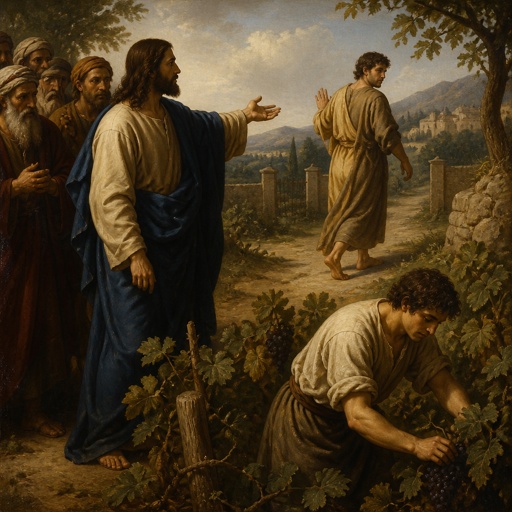
Matthew 21:28-32

Ezekiel 21:7

Ezekiel 28:20 - "¶ Again the word of the LORD came unto me, saying,"

Ezekiel 28:1 - "The word of the LORD came again unto me, saying,"

Ezekiel 27:28 - "The suburbs shall shake at the sound of the cry of thy pilots."

Ezekiel 28:11 - "¶ Moreover the word of the LORD came unto me, saying,"

1 Kings 21:28 - "And the word of the LORD came to Elijah the Tishbite, saying,"