What does Ezekiel 9:10 mean?
“And as for me also, mine eye shall not spare, neither will I have pity, but I will recompense their way upon their head.” — Ezekiel 9:10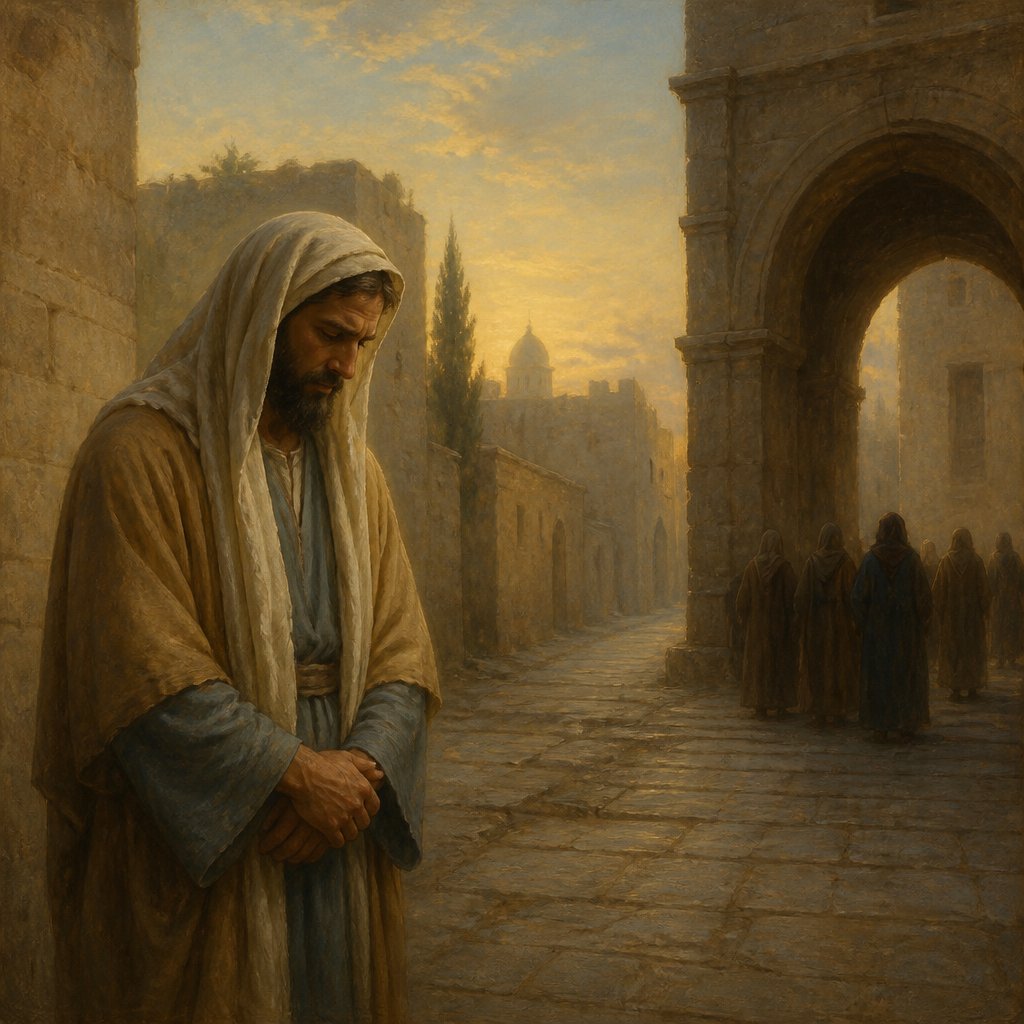
Ezekiel 9:10 (KJV) states, "And as for me also, mine eye shall not spare, neither will I have pity, but I will recompense their way upon their head."
This verse is found in the book of Ezekiel, which is a prophetic book in the Old Testament. The prophet Ezekiel was a priest who was taken into captivity in Babylon along with King Jehoiachin in 597 BC. He lived among the exiles by the River Kebar and was chosen by God to be a prophet to the Israelites during this time. The book of Ezekiel contains prophecies of judgment against Israel for their disobedience and idolatry, as well as promises of restoration and hope for the future.
In Ezekiel 9:10, the prophet is describing a vision he received from God. In this vision, he sees six men with weapons of destruction in their hands, and a man clothed in linen with a writer's inkhorn by his side. The man in linen is told to go throughout the city of Jerusalem and put a mark on the foreheads of those who sigh and cry over the abominations that are done in the midst of the city. This mark is meant to signify those who are faithful to God and will be spared from the coming judgment.
The verse, "And as for me also, mine eye shall not spare, neither will I have pity, but I will recompense their way upon their head," is a declaration of God's judgment. It reflects the severity and finality of God's response to the sins of the people of Jerusalem. Despite the cries and pleas for mercy, God declares that He will not spare or have pity, but will recompense the people for their wickedness.
This verse contains several important themes. One theme is the concept of divine judgment. Throughout the Bible, there are numerous examples of God's judgment on individuals and nations for their disobedience and sin. This verse serves as a reminder of the consequences of turning away from God and living in rebellion against His ways.
Another theme present in this verse is the idea of God's faithfulness to His promises. Despite the impending judgment, God is faithful to spare those who remain faithful to Him. The marking of those who are faithful serves as a symbol of God's mercy and protection for His people, even in the midst of judgment.
The context of this verse is also significant. At the time of Ezekiel, the people of Judah had turned to idolatry and had forsaken the commandments of God. They had engaged in all manner of sinful practices, including worshiping false gods, committing acts of injustice, and disregarding the poor and oppressed. God, through the prophet Ezekiel, had warned the people of the consequences of their actions and called them to repentance. This verse is a culmination of God's patience and long-suffering with the people, as well as a declaration of His righteous judgment.
The symbolism in this verse is also powerful. The marking of the faithful serves as a symbol of God's protection and preservation amidst judgment. It also represents the remnant of God's people who remain loyal to Him in the midst of a sinful and rebellious society. Additionally, the image of the men with weapons of destruction and the man in linen with the inkhorn symbolize God's sovereignty and the execution of His judgment through His chosen agents.
In conclusion, Ezekiel 9:10 is a powerful verse that speaks to the themes of divine judgment, God's faithfulness, the consequences of sin, and the protection of the faithful. It serves as a reminder of God's righteousness and His mercy towards those who remain faithful to Him. As believers, we are called to heed the warnings of God's Word and live lives that are pleasing to Him, knowing that He is both just in judgment and faithful in His promises.
Get our apps


Artwork for Ezekiel 9:10

Ezekiel 9:10 - "And as for me also, mine eye shall not spare, neither will I have pity, but I will recompense their way upon their head."
"And as for me also, mine eye shall not spare, neither will I have pity, but I will recompense their way upon their head." - Ezekiel 9:10

Ezekiel 10:9 - "And when I looked, behold the four wheels by the cherubims, one wheel by one cherub, and another wheel by another cherub: and the appearance of the wheels was as the colour of a beryl stone."

Ezekiel 10:10

Ezekiel 10:10

Ezekiel 10:10

Ezekiel 10:10

Ezekiel 10:10 - "And as for their appearances, they four had one likeness, as if a wheel had been in the midst of a wheel."

ezekiel 47:8-10

ezekiel 47:8-10

ezekiel 47:8-10

ezekiel 47:8-10

Ezekiel 33:3-9

Ezekiel 37:1-10 – The valley of dry bones.

Ezekiel 37:1-10 – The vision of the valley of dry bones.

Ezekiel 1:10-11

ezekiel 47:8-10

Ezekiel 37:1-10 – The vision of the valley of dry bones.
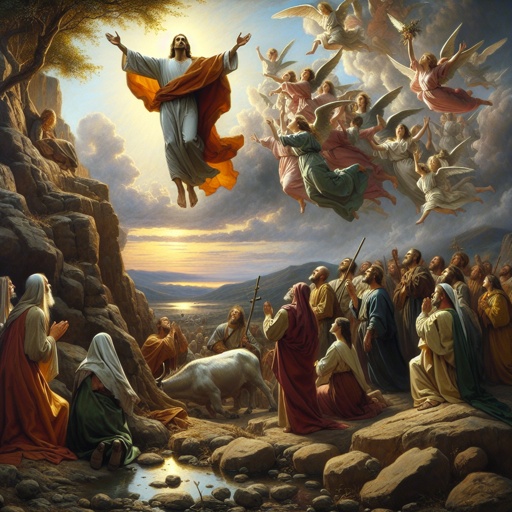
Psalm 10:9-10

Psalm 10:9-10

Ezekiel 47:1-9, 12

Ezekiel 34:9 - "Therefore, O ye shepherds, hear the word of the LORD;"

Ezekiel 10:8 - "¶ And there appeared in the cherubims the form of a man's hand under their wings."

Ezekiel 10:13 - "As for the wheels, it was cried unto them in my hearing, O wheel."

Ezekiel 45:10 - "Ye shall have just balances, and a just ephah, and a just bath."
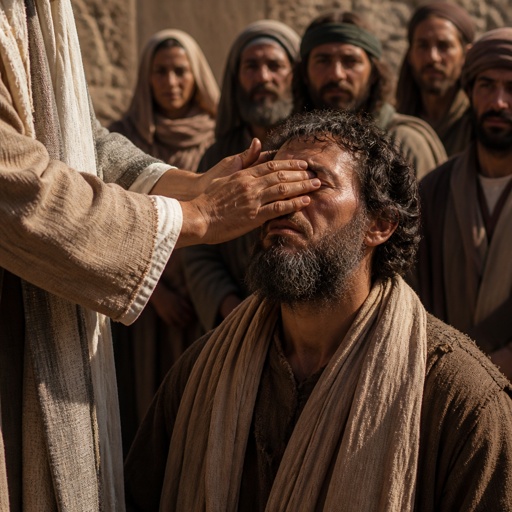
John 9:10

John 10:9

John 10:9

John 10:9

Ezekiel 8:9 - "And he said unto me, Go in, and behold the wicked abominations that they do here."