What does Ezra 10:22 mean?
“And of the sons of Pashur; Elioenai, Maaseiah, Ishmael, Nethaneel, Jozabad, and Elasah.” — Ezra 10:22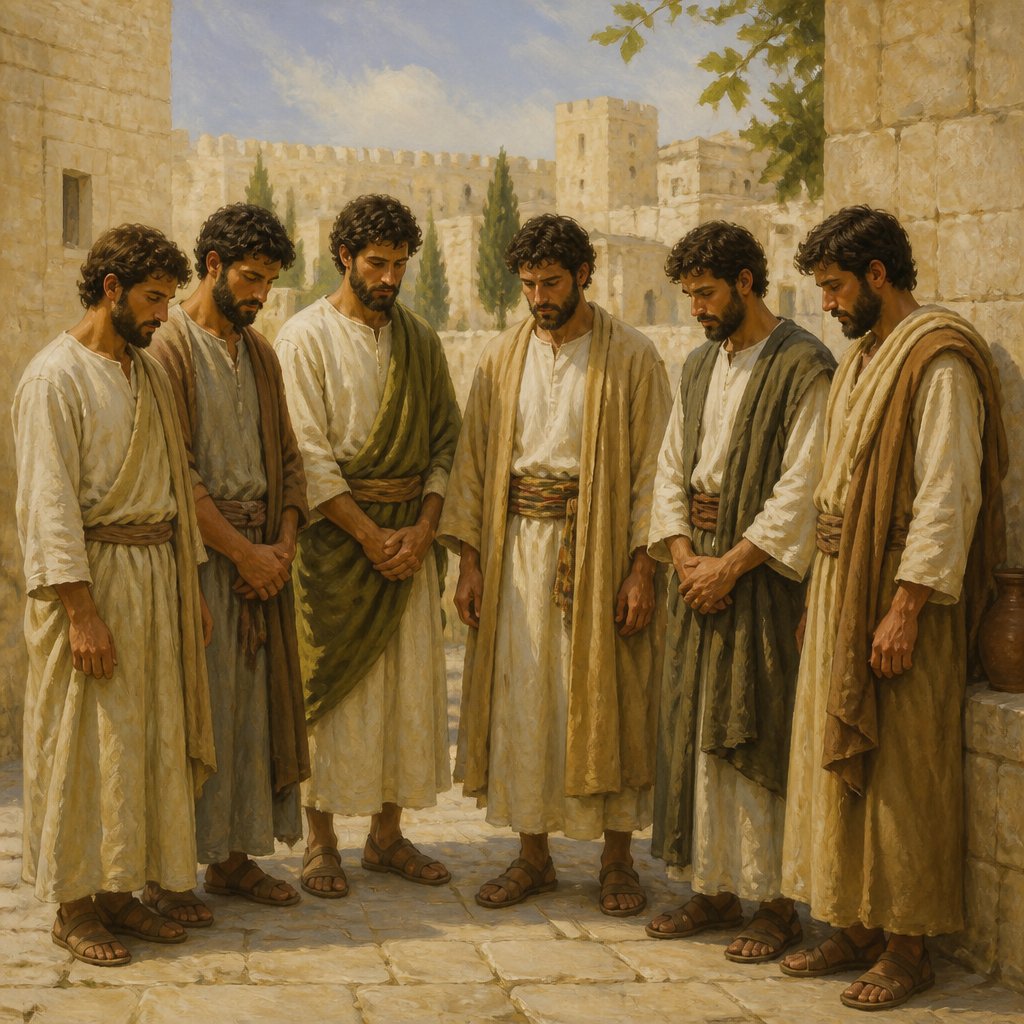
The book of Ezra, in the Old Testament of the Bible, recounts the story of the Israelites who were exiled in Babylon and later allowed to return to Jerusalem to rebuild the temple. The verse Ezra 10:22 in the King James Version reads: "And of the sons of Pashur; Elioenai, Maaseiah, Ishmael, Nethaneel, Jozabad, and Elasah." This verse comes at the end of a long list of the names of those who had taken foreign wives and were required to divorce them as part of their repentance for their intermarriage and breaking of the Mosaic Law.
The context of this verse is important to understand its meaning. The Israelites had been commanded by God not to intermarry with the surrounding pagan nations, as this would lead them away from the worship of the true God and into idolatry. However, many of the returning exiles had violated this command and taken foreign wives. This was a serious offense in the eyes of God, as it risked contaminating the pure worship and lineage of the Israelites. Therefore, the people were called to gather and confess their sin, and the leaders made a covenant with God to put away their foreign wives and restore the purity of the nation. The verse in question is part of the list of those who had taken foreign wives, indicating their involvement in this sin and their subsequent repentance.
The theme of this verse and the surrounding passage is the importance of holiness and obedience to God's commands. The Israelites were called to be a holy people, set apart for God's purposes, and intermarriage with pagan nations posed a serious threat to their spiritual purity and relationship with God. The names listed in this verse represent specific individuals who were complicit in this sin and who were called to repent and make amends. This theme of repentance and restoration is central to the message of the book of Ezra and is a recurring theme throughout the Bible.
The symbolic significance of this verse lies in the names of the individuals listed. In the Bible, names often carry symbolic meaning, and they can provide insight into the character or destiny of the person. For example, the name "Ishmael" means "God hears," which could be seen as an indication that despite his involvement in this sin, God still hears the prayers of the repentant. "Nethaneel" means "given of God," which could signify that even in their sin and failure, these individuals are still gifts from God and are able to find forgiveness and restoration. The act of listing these names, therefore, serves as a symbolic representation of the individuals involved in this sin, emphasizing their personal responsibility and accountability before God.
Overall, Ezra 10:22 is a small but significant part of the broader narrative of repentance and restoration in the book of Ezra. It serves as a reminder of the seriousness of sin and the importance of obedience to God's commands, as well as the possibility of forgiveness and restoration through sincere repentance. The names listed in this verse carry symbolic weight, adding depth and nuance to the message of the passage. Through its historical context, themes, and symbolism, this verse continues to offer timeless lessons for believers today.
Get our apps


Artwork for Ezra 10:22

Ezra 10:22 - "And of the sons of Pashur; Elioenai, Maaseiah, Ishmael, Nethaneel, Jozabad, and Elasah."
"And of the sons of Pashur; Elioenai, Maaseiah, Ishmael, Nethaneel, Jozabad, and Elasah." - Ezra 10:22

Ezra 10:10-12

Ezra 10:10 - "And Ezra the priest stood up, and said unto them, Ye have transgressed, and have taken strange wives, to increase the trespass of Israel."

Ezra 2:22 - "The men of Netophah, fifty and six."

Ezra 10:3

Ezra 3:10

Ezra 10:3

Ezra 10:5 - "Then arose Ezra, and made the chief priests, the Levites, and all Israel, to swear that they should do according to this word. And they sware."

Ezra 7:10 - "For Ezra had prepared his heart to seek the law of the LORD, and to do it, and to teach in Israel statutes and judgments."

Ezra 10:38 - "And Bani, and Binnui, Shimei,"

Ezra 10:37 - "Mattaniah, Mattenai, and Jaasau,"

Ezra 10:40 - "Machnadebai, Shashai, Sharai,"

Ezra 10:32 - "Benjamin, Malluch, and Shemariah."

Ezra 10:35 - "Benaiah, Bedeiah, Chelluh,"

Ezra 10:41 - "Azareel, and Shelemiah, Shemariah,"

Ezra 10:36 - "Vaniah, Meremoth, Eliashib,"

Ezra 10:42 - "Shallum, Amariah, and Joseph."

Ezra 10:39 - "And Shelemiah, and Nathan, and Adaiah,"

Ezra 10:20 - "And of the sons of Immer; Hanani, and Zebadiah."

Ezra 10:34 - "Of the sons of Bani; Maadai, Amram, and Uel,"
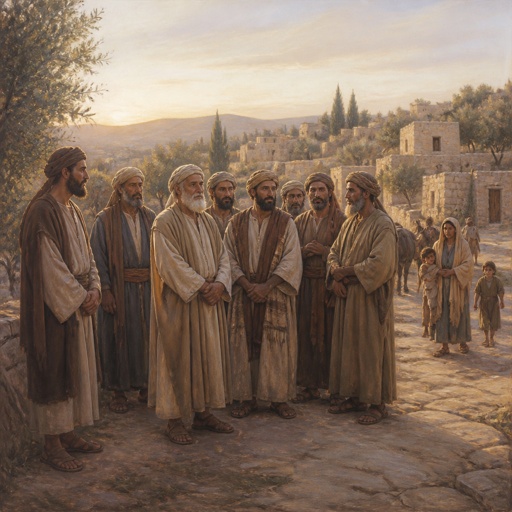
"The men of Netophah, fifty and six." - Ezra 2:22

Ezra 2:10 - "The children of Bani, six hundred forty and two."

Ezra 10:24 - "Of the singers also; Eliashib: and of the porters; Shallum, and Telem, and Uri."

Ezra 10:21 - "And of the sons of Harim; Maaseiah, and Elijah, and Shemaiah, and Jehiel, and Uzziah."

Ezra 10:31 - "And of the sons of Harim; Eliezer, Ishijah, Malchiah, Shemaiah, Shimeon,"

Ezra 10:28 - "Of the sons also of Bebai; Jehohanan, Hananiah, Zabbai, and Athlai."

"Azareel, and Shelemiah, Shemariah," - Ezra 10:41

"And Bani, and Binnui, Shimei," - Ezra 10:38

"And Shelemiah, and Nathan, and Adaiah," - Ezra 10:39