What does Ezra 10:29 mean?
“And of the sons of Bani; Meshullam, Malluch, and Adaiah, Jashub, and Sheal, and Ramoth.” — Ezra 10:29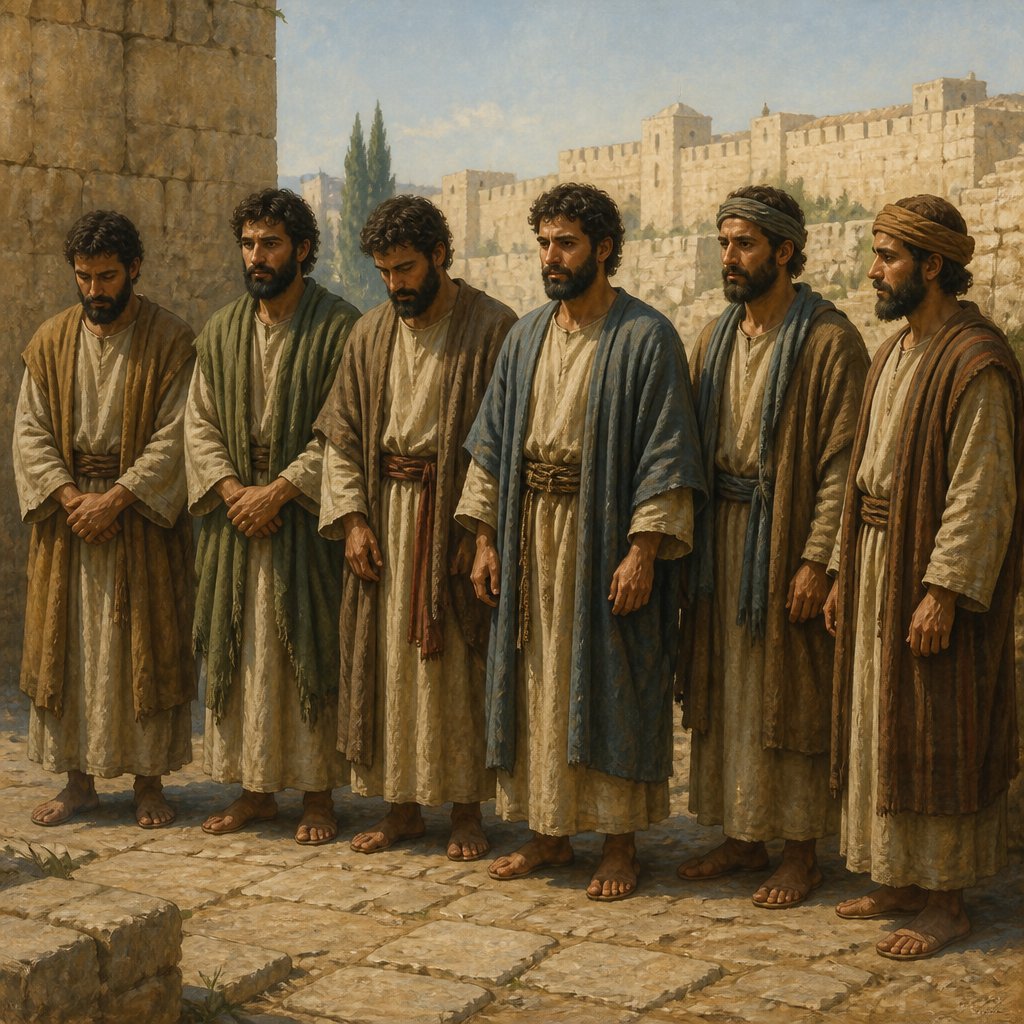
Ezra 10:29 (KJV) states, "Of the sons of Bani; Meshullam, Malluch, and Adaiah, Jashub, and Sheal, and Ramoth." This verse is part of a larger passage that details the account of the Israelites who had returned from exile in Babylon and were now seeking to purify themselves from the foreign influences that had crept into their community.
The book of Ezra is set in a time when the people of Israel had returned to their homeland after being exiled in Babylon. The commitment to purify themselves from foreign influences is a central theme in this passage, as the Israelites sought to reestablish their covenant with God and live according to His laws once again. This passage not only points to the importance of spiritual purity, but also reflects the Israelites' desire to maintain their distinct identity as God's chosen people.
The verse specifically lists the names of the sons of Bani, which may seem obscure at first glance. However, in biblical context, names carry significant weight and symbolism. Each name in this list has its own meaning, and when taken together, they serve to convey a deeper message.
First, Meshullam means "friend" or "peaceful," Malluch means "counselled" or "reigned," and Adaiah means "adorned by Yahweh." These names may signify the spiritual state or attributes of the individuals they represent. The inclusion of these names in the passage highlights the importance of personal identity and the roles these individuals played in the community's recommitment to God.
Jashub means "return," Sheal means "request," and Ramoth means "raised." These names could represent the actions or attitudes of the individuals, indicating that they were seeking to return to their true identity as God's people, making requests for forgiveness and guidance, and being raised up by God as they purify themselves.
In a broader sense, this verse can be seen as a representation of the overall process of repentance and renewal that the Israelites were undergoing. The names signify the various aspects of this process, from seeking peace and counsel to returning to God and being adorned by Him. Each individual's participation in this purification process was crucial, and their names serve as a reminder of their commitment to the cause.
Symbolically, the inclusion of these specific names can also be seen as a depiction of the diverse and unique contributions that each member of the community made to the overall effort of spiritual renewal. This serves as a reminder that everyone has a role to play in upholding the covenant with God and maintaining the integrity of the community.
In conclusion, Ezra 10:29 (KJV) may seem like a simple list of names, but when viewed in its context and with an understanding of the symbolism of names in the Bible, it serves as a powerful representation of the Israelites' commitment to purifying themselves from foreign influences and reestablishing their covenant with God. It underscores the significance of personal identity and individual contributions to the community's spiritual renewal. This verse serves as a poignant reminder of the importance of repentance, renewal, and the unique roles that each member of the community plays in upholding their faith.
Get our apps


Artwork for Ezra 10:29

Ezra 10:29 - "And of the sons of Bani; Meshullam, Malluch, and Adaiah, Jashub, and Sheal, and Ramoth."
"And of the sons of Bani; Meshullam, Malluch, and Adaiah, Jashub, and Sheal, and Ramoth." - Ezra 10:29

Ezra 2:29 - "The children of Nebo, fifty and two."

Ezra 10:10-12

Ezra 10:10 - "And Ezra the priest stood up, and said unto them, Ye have transgressed, and have taken strange wives, to increase the trespass of Israel."

Ezra 10:3

Ezra 3:10
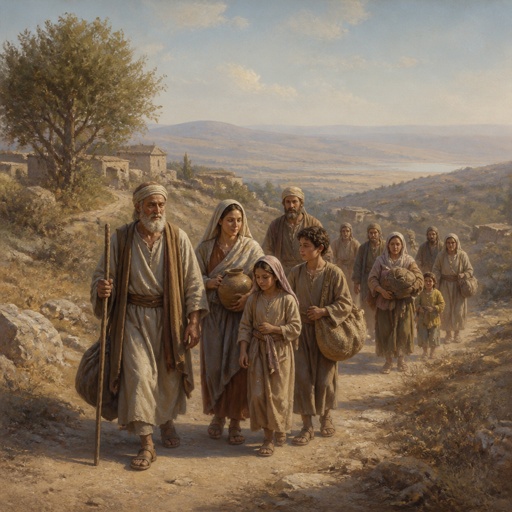
"The children of Nebo, fifty and two." - Ezra 2:29

Ezra 10:3

Ezra 10:5 - "Then arose Ezra, and made the chief priests, the Levites, and all Israel, to swear that they should do according to this word. And they sware."

Ezra 7:10 - "For Ezra had prepared his heart to seek the law of the LORD, and to do it, and to teach in Israel statutes and judgments."

Ezra 10:38 - "And Bani, and Binnui, Shimei,"

Ezra 10:37 - "Mattaniah, Mattenai, and Jaasau,"

Ezra 10:40 - "Machnadebai, Shashai, Sharai,"

Ezra 10:32 - "Benjamin, Malluch, and Shemariah."

Ezra 10:35 - "Benaiah, Bedeiah, Chelluh,"

Ezra 10:41 - "Azareel, and Shelemiah, Shemariah,"

Ezra 10:36 - "Vaniah, Meremoth, Eliashib,"

Ezra 10:42 - "Shallum, Amariah, and Joseph."

Ezra 10:39 - "And Shelemiah, and Nathan, and Adaiah,"

Ezra 10:20 - "And of the sons of Immer; Hanani, and Zebadiah."

Ezra 10:34 - "Of the sons of Bani; Maadai, Amram, and Uel,"

Ezra 2:10 - "The children of Bani, six hundred forty and two."

Ezra 10:24 - "Of the singers also; Eliashib: and of the porters; Shallum, and Telem, and Uri."

Ezra 10:21 - "And of the sons of Harim; Maaseiah, and Elijah, and Shemaiah, and Jehiel, and Uzziah."

Ezra 10:31 - "And of the sons of Harim; Eliezer, Ishijah, Malchiah, Shemaiah, Shimeon,"

Ezra 10:28 - "Of the sons also of Bebai; Jehohanan, Hananiah, Zabbai, and Athlai."

"Azareel, and Shelemiah, Shemariah," - Ezra 10:41

"And Bani, and Binnui, Shimei," - Ezra 10:38

"And Shelemiah, and Nathan, and Adaiah," - Ezra 10:39