What does Ezra 1:3 mean?
“Who is there among you of all his people? his God be with him, and let him go up to Jerusalem, which is in Judah, and build the house of the LORD God of Israel, (he is the God,) which is in Jerusalem.” — Ezra 1:3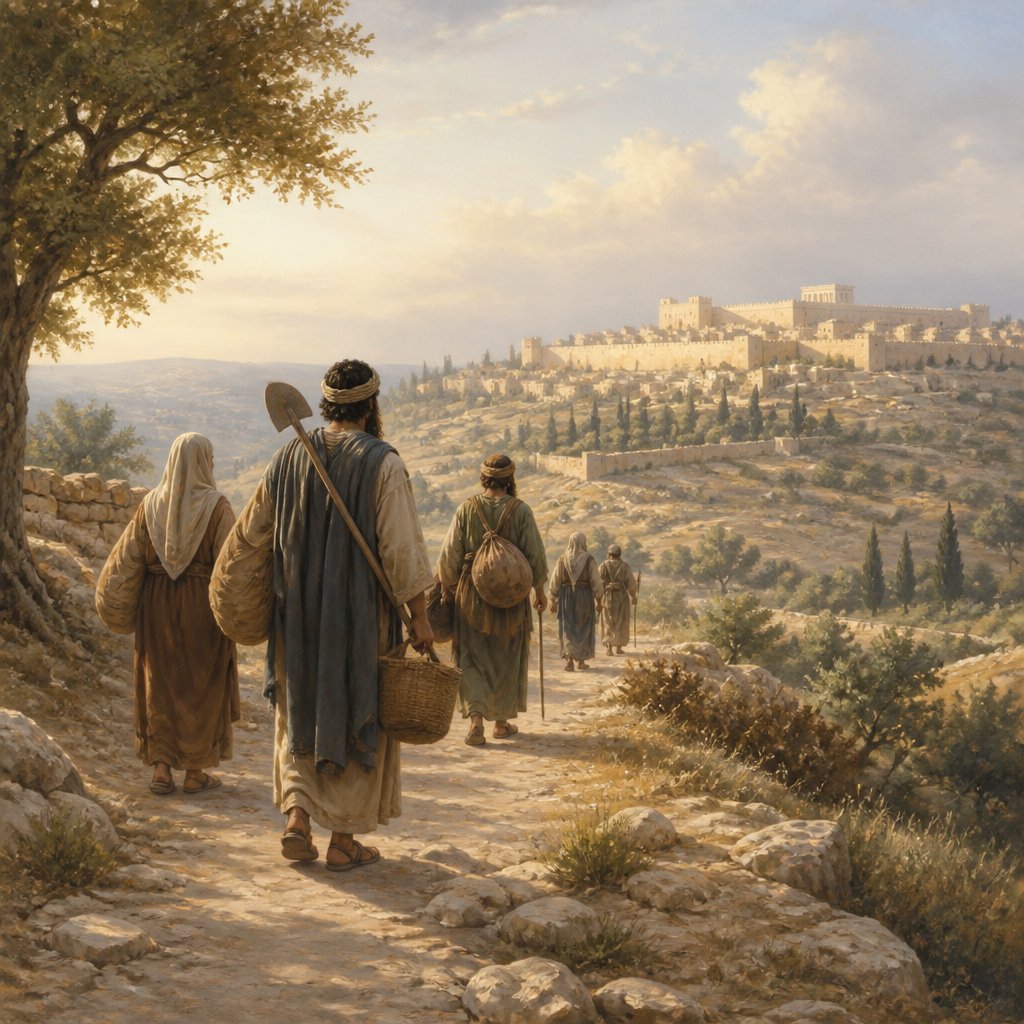
The verse Ezra 1:3 from the King James Version (KJV) of the Bible reads: "Who is there among you of all his people? his God be with him, and let him go up to Jerusalem, which is in Judah, and build the house of the Lord God of Israel, (he is the God,) which is in Jerusalem."
The book of Ezra is a historical account of the Jews' return from their exile in Babylon to Jerusalem. This verse is part of a decree issued by Cyrus, the king of Persia, allowing the Jews to return to their homeland and rebuild the temple of the Lord in Jerusalem. The verse reminds the people that the God of Israel is with them and they have His blessing to rebuild the temple.
One of the themes in this verse is the importance of faith and obedience. Throughout the Bible, God consistently calls his people to trust and obey Him, and in return, He promises to be with them and bless them. In this case, the Jews are called to have faith in God's promises and obey the decree of the king to return to Jerusalem and rebuild the temple. This theme is relevant to all believers, as it reminds us of the importance of trusting God's word and being obedient to His commands.
Another theme in this verse is the restoration of God's people. The Jews had been in exile in Babylon for 70 years, and now they are being given the opportunity to return to their homeland and rebuild the temple. This represents a new beginning for the nation of Israel, a chance to rebuild and restore their relationship with God. This theme of restoration is a prominent one throughout the Bible, as God is constantly working to restore His people and bring them back into a right relationship with Him.
The context of this verse is also significant. The Jews had been living in exile in Babylon for several decades, and now they were being given the opportunity to return to Jerusalem. This would have been a momentous occasion for them, as they would have been filled with hope and excitement at the prospect of returning to their homeland. The decree from Cyrus would have been seen as a miraculous provision from God, as it was unlikely for a pagan king to allow a conquered people to return to their land and rebuild their temple.
Symbolism in this verse can be found in the image of rebuilding the temple. The temple was a central symbol of the Jewish faith, and its destruction had been a source of great sorrow and shame for the people. The act of rebuilding the temple would have been a symbol of the restoration of their relationship with God and the renewal of their faith. It also symbolizes the idea of rebuilding and renewal after a period of hardship and exile. This symbolic act of rebuilding the temple would have been a powerful affirmation of the Jews' identity as God's chosen people and their commitment to obeying and worshiping Him.
In conclusion, Ezra 1:3 from the KJV of the Bible conveys themes of faith, obedience, restoration, and symbolism of the rebuilding of the temple. It serves as a powerful reminder of God's faithfulness to His people and His ability to bring about restoration and renewal even after a period of exile and hardship. This verse continues to be a source of encouragement and hope for believers, as it reminds us of the importance of trusting God's promises and obeying His commands, as well as the possibility of renewal and restoration in our own lives.
Get our apps


Artwork for Ezra 1:3

Ezra 1:3 - "Who is there among you of all his people? his God be with him, and let him go up to Jerusalem, which is in Judah, and build the house of the LORD God of Israel, (he is the God,) which is in Jerusalem."
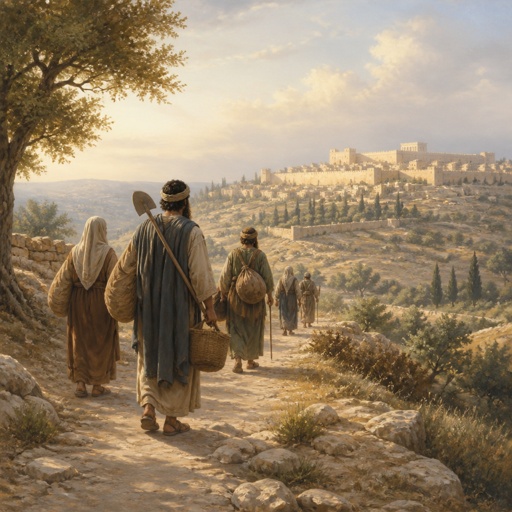
"Who is there among you of all his people? his God be with him, and let him go up to Jerusalem, which is in Judah, and build the house of the LORD God of Israel, (he is the God,) which is in Jerusalem." - Ezra 1:3

Altar rebuilt in Jerusalem. Ezra 3:1-3

Ezra 3:1 - "And when the seventh month was come, and the children of Israel were in the cities, the people gathered themselves together as one man to Jerusalem."

Ezra 3:2

Ezra 10:3

Ezra 3:2

Ezra 3:10

Ezra 3:9

Ezra 3:2

Ezra 9:3

Ezra 3:2

Ezra 3:2

Ezra 10:3

Zerubbabel in Ezra chapter 3

Ezra 1:1

Ezra 1:1

Ezra 7:3 - "The son of Amariah, the son of Azariah, the son of Meraioth,"

Ezra 2:3 - "The children of Parosh, two thousand an hundred seventy and two."

Pagan women leave with their children ezra 10:3

Ezra 7:1 - "Now after these things, in the reign of Artaxerxes king of Persia, Ezra the son of Seraiah, the son of Azariah, the son of Hilkiah,"

Ezra 9:1

Ezra 9:1

Ezra 9:1

Pagan women leave with their children ezra 10:3

Ezra 1:1 king Cyrus

Ezra 9:1-2

Ezra 6:1-12

Ezra 8:3 - "Of the sons of Shechaniah, of the sons of Pharosh; Zechariah: and with him were reckoned by genealogy of the males an hundred and fifty."

Ezra 3:11 – "With praise and thanksgiving they sang to the Lord: 'He is good; his love toward Israel endures forever.'"