What does Ezra 2:68 mean?
"¶ And some of the chief of the fathers, when they came to the house of the LORD which is at Jerusalem, offered freely for the house of God to set it up in his place:" - Ezra 2:68
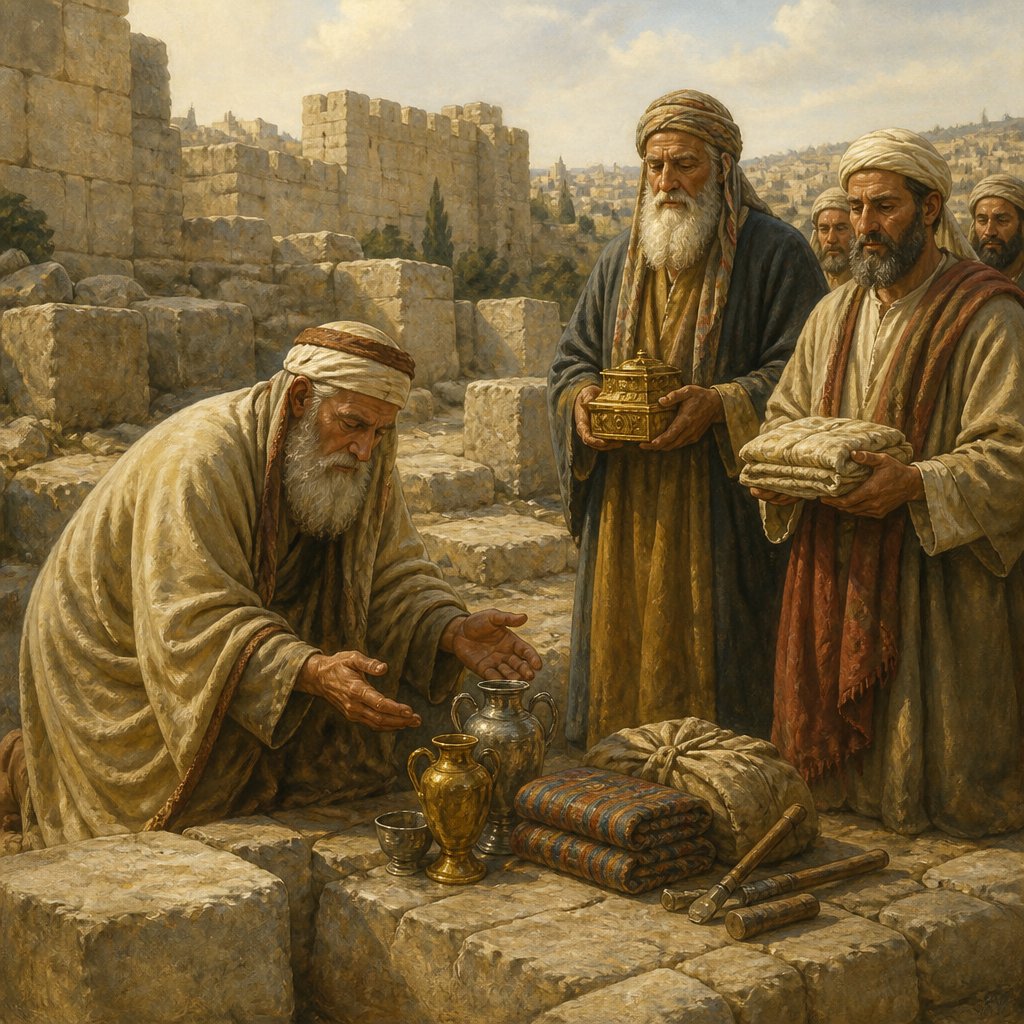
Ezra 2:68 (KJV) states, "And some of the chief of the fathers, when they came to the house of the Lord which is at Jerusalem, offered freely for the house of God to set it up in his place."
This verse is part of a larger passage in the book of Ezra, which recounts the return of the Israelites from Babylonian exile and their efforts to rebuild the temple in Jerusalem. The verse describes the generosity and willingness of the "chief of the fathers" to contribute to the restoration of the temple, offering their resources freely in order to establish the house of God in its rightful place.
This passage demonstrates several important themes that are central to the message of the Bible. Firstly, it emphasizes the importance of worship and the dedication of a physical space for the practice of religious rituals and ceremonies. The temple in Jerusalem was the central place of worship for the Israelites, and its restoration was crucial for the re-establishment of their religious identity and practices. This verse highlights the commitment of the Israelites to ensure that the house of God was properly "set up in his place," reflecting their desire to honor and glorify God through their actions.
Furthermore, the verse also conveys the spirit of generosity and sacrificial giving that is valued in the Bible. The fact that the chief fathers offered their resources "freely" indicates that their contribution was not motivated by obligation or compulsion, but rather by a genuine desire to support the work of God. This aligns with the biblical principle of cheerful giving, as articulated in 2 Corinthians 9:7, "Each one must give as he has decided in his heart, not reluctantly or under compulsion, for God loves a cheerful giver."
The context of this verse is also significant in understanding its deeper meaning. The book of Ezra was written during the period of Israelite history known as the post-exilic period, when the Israelites had returned from exile in Babylon and were rebuilding their community and religious institutions. The restoration of the temple symbolized the renewal of the covenant between God and his people, as well as the re-establishment of their national identity and religious practices. The willingness of the chief fathers to contribute to this effort exemplifies their commitment to the rebuilding of their community and their faith.
In addition, the verse can be seen as a symbol of the broader biblical narrative of God's faithfulness and provision. Throughout the Bible, God's people are called to trust in God's faithfulness and to respond with obedience and faithful stewardship of the resources they have been given. The willingness of the chief fathers to offer their resources for the house of God reflects their trust in God's provision and their commitment to participate in God's redemptive work.
In summary, Ezra 2:68 (KJV) is a verse that conveys important themes of worship, generosity, and faithfulness that are central to the message of the Bible. The verse highlights the dedication of the Israelites to restore the house of God in Jerusalem, as well as their willingness to offer their resources freely for this purpose. This passage serves as a reminder of the biblical call to worship and obedience, as well as the importance of sacrificial giving and trust in God's faithfulness.
Have questions about Ezra 2:68?
Dive deeper into this scripture with Bible Chat — an AI-powered tool for exploring God's Word through conversation. Ask questions, get context, and grow in your understanding of the Bible.
Get Our Apps


Ezra 2:68 Artwork
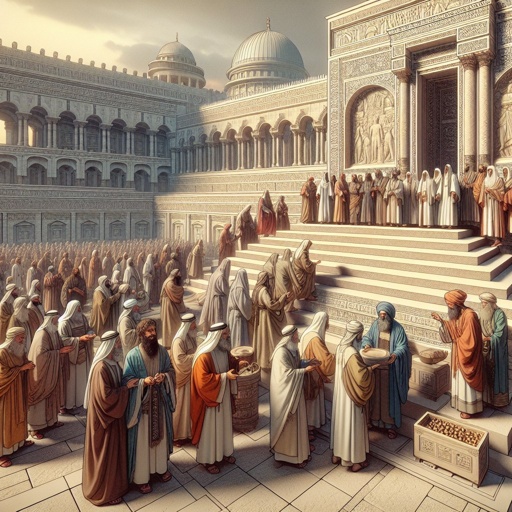
Ezra 2:68 - "¶ And some of the chief of the fathers, when they came to the house of the LORD which is at Jerusalem, offered freely for the house of God to set it up in his place:"
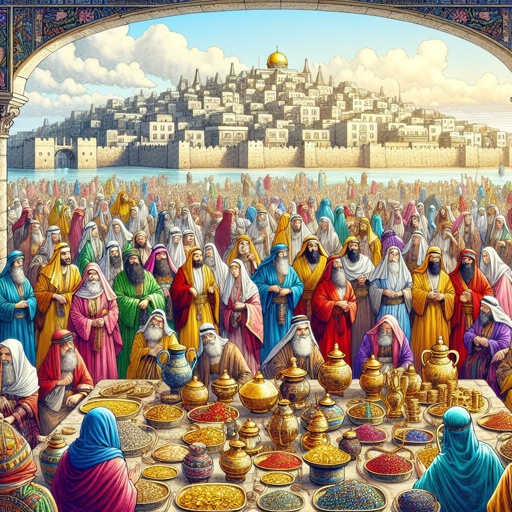
Ezra 2:68-69 - "Some of the heads of the families, when they came to the house of the LORD which is in Jerusalem, offered freely for the house of God, to erect it in its place. According to their ability, they gave to the treasury for the work 61,000 gold drachmas, 5,000 minas of silver, and 100 priestly garments."
"¶ And some of the chief of the fathers, when they came to the house of the LORD which is at Jerusalem, offered freely for the house of God to set it up in his place:" - Ezra 2:68
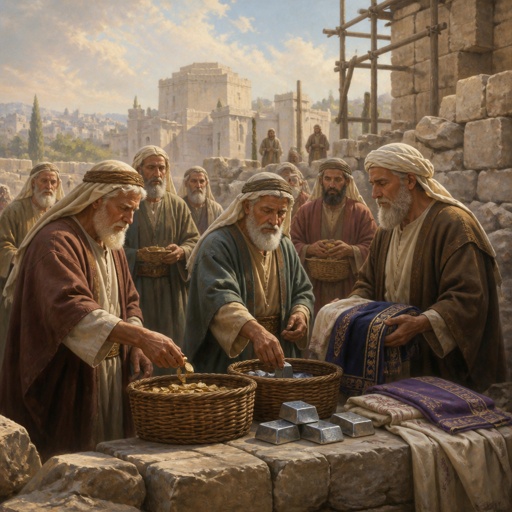
"Some of the heads of the families, when they came to the house of the LORD which is in Jerusalem, offered freely for the house of God, to erect it in its place. According to their ability, they gave to the treasury for the work 61,000 gold drachmas, 5,000 minas of silver, and 100 priestly garments." - Ezra 2:68-69

Psalms 68:2 - "As smoke is driven away, so drive them away: as wax melteth before the fire, so let the wicked perish at the presence of God."

Ezra 3:2

Ezra 3:2

Ezra 3:2

Ezra 3:2

Ezra 3:2

Ezra 9:1-2

Zerubbabel in Ezra chapter 2

Ezra 2:22 - "The men of Netophah, fifty and six."
Ezra 2:18 - "The children of Jorah, an hundred and twelve."

Ezra 2:54 - "The children of Neziah, the children of Hatipha."

Ezra 2:20 - "The children of Gibbar, ninety and five."

Ezra 2:24 - "The children of Azmaveth, forty and two."

Ezra 2:39 - "The children of Harim, a thousand and seventeen."

Ezra 9:1-2

Ezra 2:9 - "The children of Zaccai, seven hundred and threescore."

Ezra 2:27 - "The men of Michmas, an hundred twenty and two."

Ezra 2:29 - "The children of Nebo, fifty and two."

Ezra 2:56 - "The children of Jaalah, the children of Darkon, the children of Giddel,"

Ezra 2:11 - "The children of Bebai, six hundred twenty and three."

Ezra 2:53 - "The children of Barkos, the children of Sisera, the children of Thamah,"

Ezra 2:45 - "The children of Lebanah, the children of Hagabah, the children of Akkub,"

Ezra 2:48 - "The children of Rezin, the children of Nekoda, the children of Gazzam,"

Ezra 2:15 - "The children of Adin, four hundred fifty and four."

Ezra 2:21 - "The children of Beth-lehem, an hundred twenty and three."

Ezra 2:51 - "The children of Bakbuk, the children of Hakupha, the children of Harhur,"