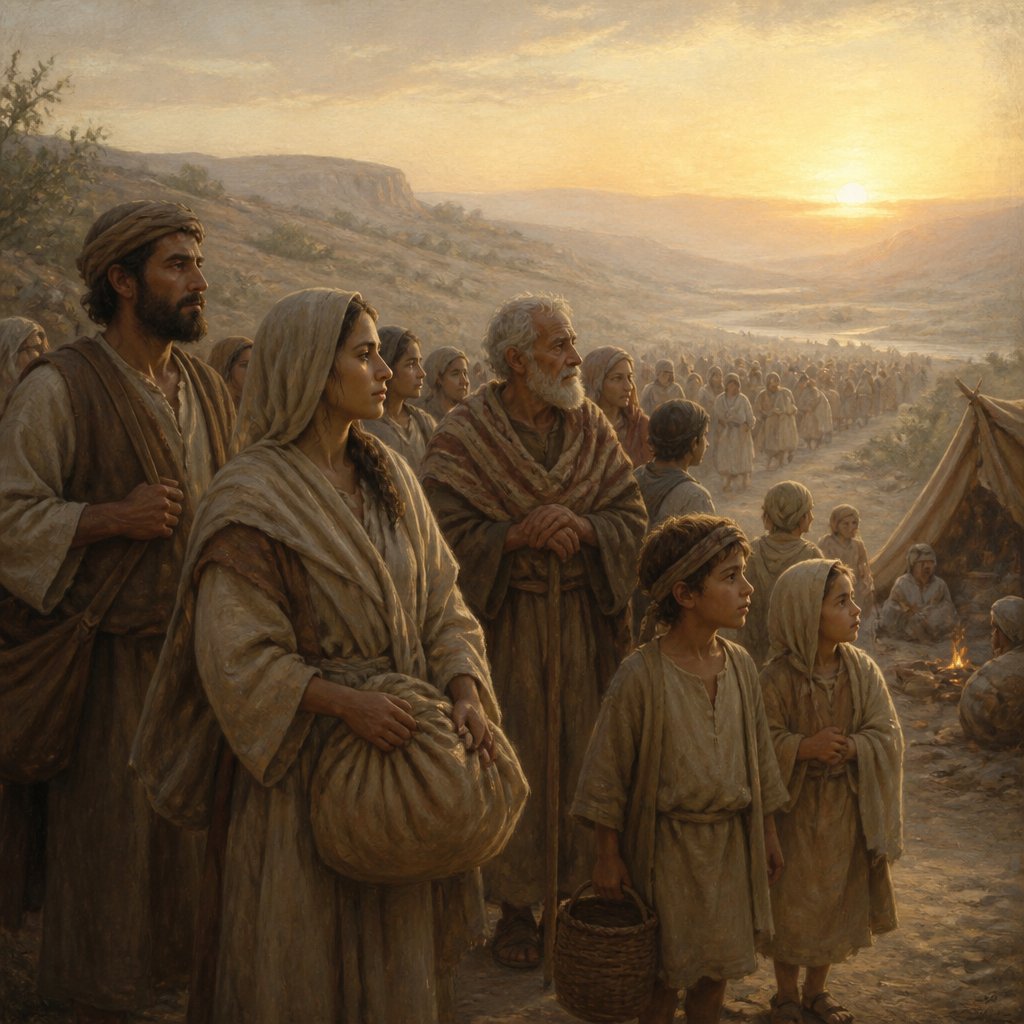
Ezra 2:10 (KJV) reads, "The children of Azzur, a thousand two hundred twenty and two."
This verse is part of a list of those who returned to Jerusalem from the Babylonian exile. The book of Ezra chronicles the return of the Jewish people to Jerusalem following the decree of King Cyrus of Persia. This event is significant in Jewish history as it marks the beginning of the restoration of their homeland and the reestablishment of their religious practices.
The mention of Azzur and the number of people returning with him may seem like a simple historical record, but it holds deeper significance when examined in the context of the entire Bible. The inclusion of specific names and numbers in the Bible serves to emphasize the individuality and importance of each person in the eyes of God. The meticulous record-keeping in the Bible reflects God's attention to detail and his concern for his people on a personal level.
The theme of restoration and redemption is central to the book of Ezra. The return from exile symbolizes God's faithfulness to his people and his promise to restore them to their land. The list of those who returned illustrates the diverse makeup of the Jewish community, reflecting the unity of the people in their shared faith and heritage. This unity is a recurring theme in the Bible, emphasizing the importance of community and solidarity among believers.
The mention of Azzur and the specific number of individuals returning with him also serves as a reminder of the faithfulness and obedience of the Jewish people. Despite the hardships they faced in exile, they remained committed to their identity as the chosen people of God and eagerly responded to the opportunity to return to their homeland.
Symbolically, the number 1222 in this verse holds significance in biblical numerology. In biblical numerology, the number twelve is often associated with divine government and organization. It is significant that Azzur led exactly 1222 people back to Jerusalem, as it may symbolize the orderly and deliberate process of the restoration of the Jewish community under the guidance of God.
Furthermore, the number 1222 is a combination of the numbers 1, 2, and 22. In biblical numerology, the number 1 represents unity and beginning, the number 2 symbolizes division and separation, and the number 22 is often associated with the fulfillment of God's purposes. This combination of numbers may symbolize the journey of the Jewish people from division and exile to unity and fulfillment under the divine plan of God.
In a broader theological context, the verse can also be seen as a foreshadowing of the ultimate restoration and redemption brought about by Jesus Christ. The return from exile in Ezra serves as a precursor to the coming of the Messiah, who would bring about spiritual restoration and redemption for all who believe in him. The meticulous recording of the return of the Jewish people to Jerusalem reflects God's faithfulness to his promises and his ultimate plan for the salvation of humanity through Christ.
In conclusion, while Ezra 2:10 may appear to be a simple historical record, it holds deep theological and symbolic significance in the broader context of the Bible. It serves as a testament to God's faithfulness, the unity of his people, and the orderly fulfillment of his purposes. It also serves as a reminder of the ultimate restoration and redemption brought about by Jesus Christ.
Get our apps


Artwork for Ezra 2:10

Ezra 2:10 - "The children of Bani, six hundred forty and two."
"The children of Bani, six hundred forty and two." - Ezra 2:10
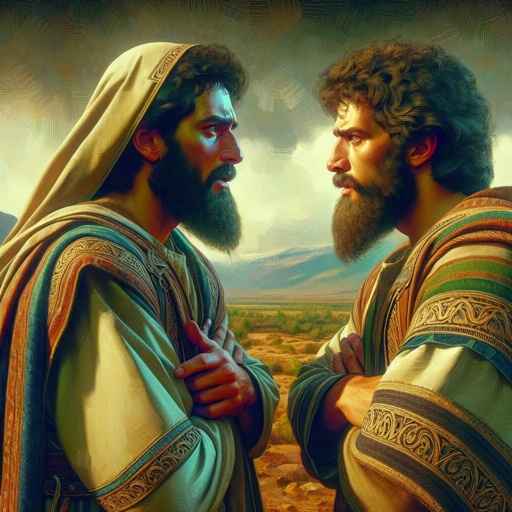
Ezra 10:2 - "And Shechaniah the son of Jehiel, one of the sons of Elam, answered and said unto Ezra, We have trespassed against our God, and have taken strange wives of the people of the land: yet now there is hope in Israel concerning this thing."

Ezra 10:10-12

Ezra 10:10 - "And Ezra the priest stood up, and said unto them, Ye have transgressed, and have taken strange wives, to increase the trespass of Israel."

Ezra 10:3

Ezra 3:10

Ezra 10:3

Ezra 10:5 - "Then arose Ezra, and made the chief priests, the Levites, and all Israel, to swear that they should do according to this word. And they sware."

Ezra 7:10 - "For Ezra had prepared his heart to seek the law of the LORD, and to do it, and to teach in Israel statutes and judgments."

Ezra 10:38 - "And Bani, and Binnui, Shimei,"

Ezra 10:37 - "Mattaniah, Mattenai, and Jaasau,"

Ezra 10:40 - "Machnadebai, Shashai, Sharai,"

Ezra 10:32 - "Benjamin, Malluch, and Shemariah."

Ezra 10:35 - "Benaiah, Bedeiah, Chelluh,"

Ezra 10:41 - "Azareel, and Shelemiah, Shemariah,"

Ezra 10:36 - "Vaniah, Meremoth, Eliashib,"

Ezra 10:42 - "Shallum, Amariah, and Joseph."

Ezra 10:39 - "And Shelemiah, and Nathan, and Adaiah,"

Ezra 10:20 - "And of the sons of Immer; Hanani, and Zebadiah."

Ezra 10:34 - "Of the sons of Bani; Maadai, Amram, and Uel,"

Ezra 10:24 - "Of the singers also; Eliashib: and of the porters; Shallum, and Telem, and Uri."

Ezra 10:21 - "And of the sons of Harim; Maaseiah, and Elijah, and Shemaiah, and Jehiel, and Uzziah."

Ezra 10:31 - "And of the sons of Harim; Eliezer, Ishijah, Malchiah, Shemaiah, Shimeon,"

Ezra 10:28 - "Of the sons also of Bebai; Jehohanan, Hananiah, Zabbai, and Athlai."

"Azareel, and Shelemiah, Shemariah," - Ezra 10:41

"And Bani, and Binnui, Shimei," - Ezra 10:38

"And Shelemiah, and Nathan, and Adaiah," - Ezra 10:39

"Vaniah, Meremoth, Eliashib," - Ezra 10:36

"Machnadebai, Shashai, Sharai," - Ezra 10:40