What does Ezra 2:14 mean?
“The children of Bigvai, two thousand fifty and six.” — Ezra 2:14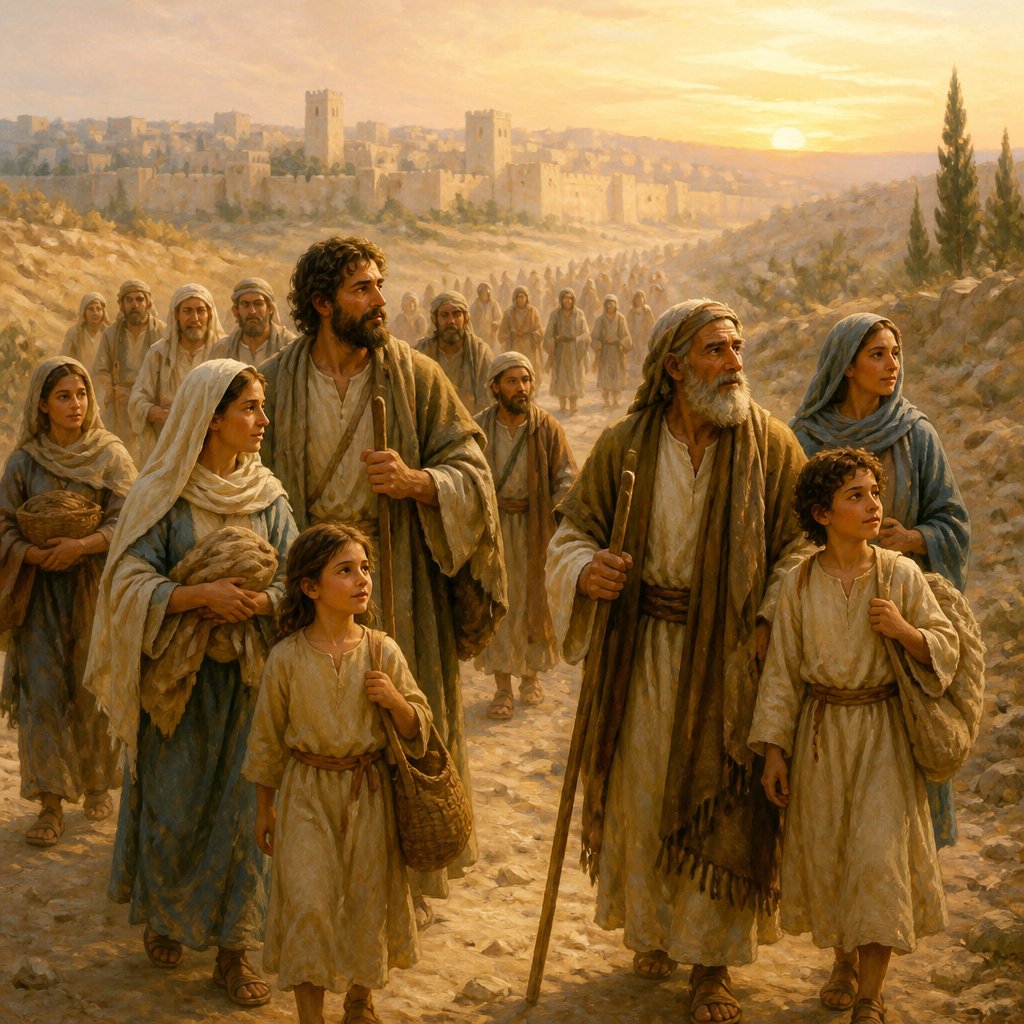
Ezra 2:14 in the King James Version (KJV) of the Bible reads, "The children of Adonikam, six hundred sixty and seven." This verse is part of a list of the families of the returned exiles who came back to Jerusalem from Babylon. This chapter is a record of the heads of families who returned to Jerusalem with Zerubbabel.
To truly understand the meaning and significance of this verse, it is important to delve into the historical and cultural context of the Israelites during this time. The Israelites had been taken into captivity in Babylon due to their disobedience to God, and many years later, a remnant of the people were allowed to return to Jerusalem to rebuild the temple and the city.
From a historical standpoint, this verse represents the restoration and rebuilding of the Jewish community in Jerusalem. The return of the exiles was a pivotal moment in their history as a people, and the census recorded in Ezra 2 serves as a testament to the faithfulness of God in preserving a remnant of His people and bringing them back to their land.
Beyond the historical context, there are several themes and symbolism that can be drawn from this verse. One of the main themes is the faithfulness of God. Despite the Israelites' disobedience and exile, God remained faithful to His covenant with them, allowing a remnant of the people to return to their land. This act of restoration serves as a powerful symbol of God's faithfulness and His ability to bring about redemption and healing even in the midst of destruction and exile.
Another theme present in this verse is the significance of the community. The return of the exiles was not just a series of individual journeys, but a collective return of the community of Israel. The mention of the children of Adonikam as a distinct group within this community highlights the importance of familial and communal relationships in the restoration and rebuilding process. This serves as a reminder of the value of unity and solidarity within the body of believers, as well as the importance of preserving and honoring the legacy of the families within the community.
Additionally, the specific number mentioned in this verse, "six hundred sixty and seven," holds symbolic significance in biblical numerology. In the Bible, the number six often represents incompleteness or imperfection, while the number seven represents perfection and completion. This combination of numbers could symbolize the imperfect state of the returning exiles, as well as the completion and perfection that God would bring about in their restoration and rebuilding process.
In conclusion, Ezra 2:14 in the King James Version of the Bible holds deep historical, thematic, and symbolic significance. It serves as a record of the restoration and rebuilding of the Jewish community in Jerusalem, highlighting the faithfulness of God, the importance of community, and the symbolic significance of numbers. This verse stands as a testament to God's ability to bring about redemption and restoration in the midst of exile and destruction, and it serves as a source of encouragement for believers to trust in God's faithfulness and sovereignty in their own lives.
Get our apps


Artwork for Ezra 2:14

Ezra 2:14 - "The children of Bigvai, two thousand fifty and six."

"The children of Bigvai, two thousand fifty and six." - Ezra 2:14

Ezra 8:14 - "Of the sons also of Bigvai; Uthai, and Zabbud, and with them seventy males."

Ezra 3:2

Ezra 3:2

Ezra 3:2

Ezra 3:2

Ezra 3:2

Ezra 9:1-2

Zerubbabel in Ezra chapter 2

Ezra 2:22 - "The men of Netophah, fifty and six."
Ezra 2:18 - "The children of Jorah, an hundred and twelve."

Ezra 2:54 - "The children of Neziah, the children of Hatipha."

Ezra 2:20 - "The children of Gibbar, ninety and five."

Ezra 2:24 - "The children of Azmaveth, forty and two."

Ezra 2:39 - "The children of Harim, a thousand and seventeen."

Ezra 9:1-2

Ezra 2:9 - "The children of Zaccai, seven hundred and threescore."

Ezra 2:27 - "The men of Michmas, an hundred twenty and two."

Ezra 2:29 - "The children of Nebo, fifty and two."

Ezra 2:56 - "The children of Jaalah, the children of Darkon, the children of Giddel,"

Ezra 2:11 - "The children of Bebai, six hundred twenty and three."

Ezra 2:53 - "The children of Barkos, the children of Sisera, the children of Thamah,"

Ezra 2:48 - "The children of Rezin, the children of Nekoda, the children of Gazzam,"

Ezra 2:15 - "The children of Adin, four hundred fifty and four."

Ezra 7:2 - "The son of Shallum, the son of Zadok, the son of Ahitub,"

Ezra 2:21 - "The children of Beth-lehem, an hundred twenty and three."

Ezra 2:45 - "The children of Lebanah, the children of Hagabah, the children of Akkub,"

Ezra 2:49 - "The children of Uzza, the children of Paseah, the children of Besai,"

Ezra 2:51 - "The children of Bakbuk, the children of Hakupha, the children of Harhur,"