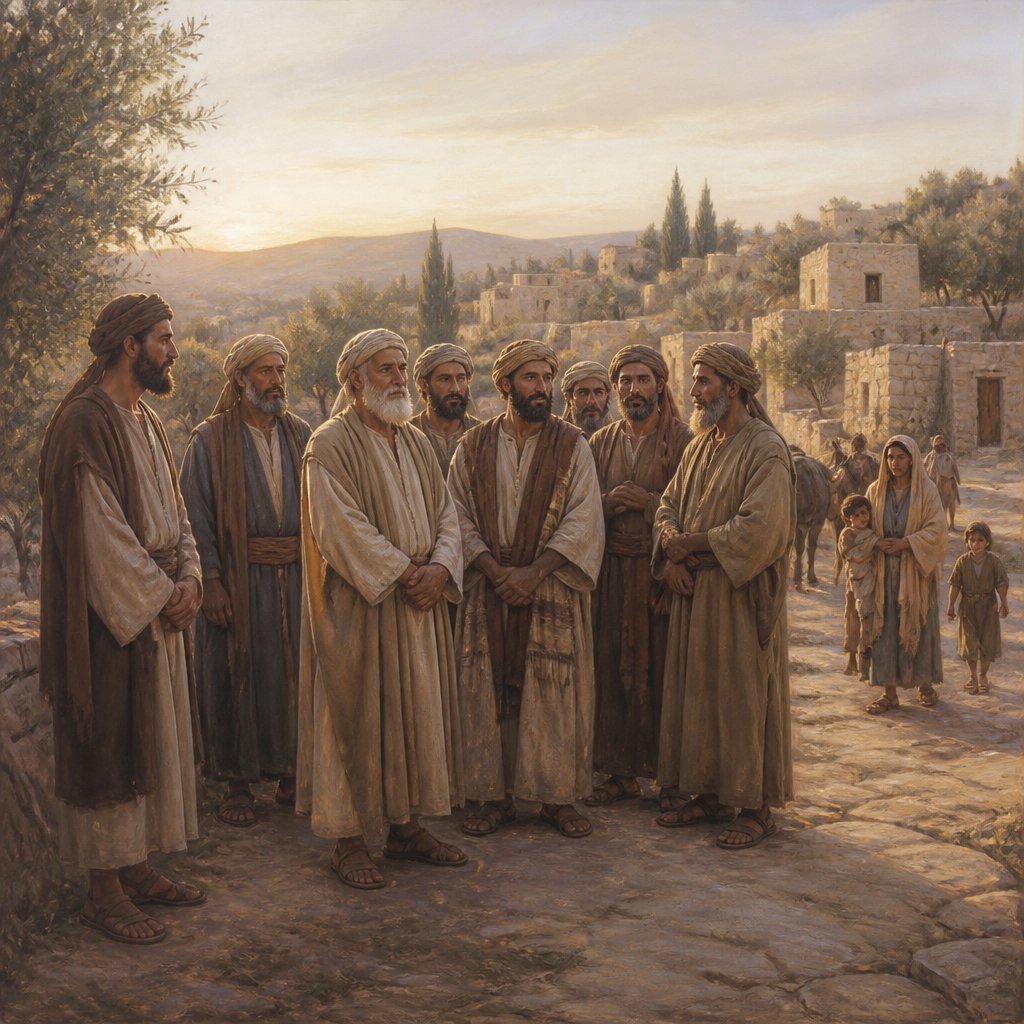
Ezra 2:22 in the King James Version of the Bible reads: "The men of Netophah, fifty and six."
This verse is a part of a list of the heads of the families who returned from exile in Babylon, as recorded in the book of Ezra. The list is a detailed account of those who were a part of the returned exiles, and it serves as a record of the restoration of the Jewish community in Jerusalem after their time in captivity.
Netophah was a town in the tribe of Judah, and the mention of "fifty and six" indicates the number of men from this town who were among the returnees. While this verse may seem simple and straightforward at first glance, it is part of a larger narrative that holds significant meaning for the Israelites and provides insights that are relevant even today.
In the context of the larger biblical narrative, the return from exile was a monumental event for the Israelites. It symbolized the end of a period of suffering and displacement and the beginning of a new chapter in their history. The return to their homeland was a fulfillment of God's promise to restore them, and it marked a time of rebuilding and renewal for the Jewish people.
The mention of Netophah and the fifty-six men from there serves to highlight the specific individuals and families who were a part of this crucial moment in Israelite history. Each name and number in the list represents a personal story, a family legacy, and a contribution to the collective effort of rebuilding Jerusalem and the temple.
Furthermore, this verse emphasizes the significance of community and lineage. The fact that the men are identified by their town of origin underscores the importance of their roots and ancestry. It speaks to the idea of belonging and the ties that bind families and communities together. The return from exile was not just a mass migration, but a return of individual families to their ancestral land, each with their own history and connection to the land.
On a deeper level, this verse reflects themes of restoration, faithfulness, and divine providence. The return from exile was a testament to God's faithfulness to His people, as He had promised to bring them back to their homeland. It was a tangible demonstration of His restoration and redemption, and it was a time for the Israelites to reaffirm their commitment to God and His covenant.
Symbolically, the number fifty-six may also carry significance. In biblical numerology, certain numbers are believed to hold symbolic meanings. The number fifty can represent freedom, deliverance, and the Jubilee, a time of restoration and forgiveness. The number six often symbolizes imperfection or incompleteness. This juxtaposition of numbers may serve as a reminder that while the return from exile was a time of great rejoicing and restoration, it also marked the beginning of the work of rebuilding and completing what had been left unfinished.
In conclusion, Ezra 2:22 may seem like a simple verse listing the men of Netophah, but within the larger context of the biblical narrative, it is a poignant reminder of the significance of individual stories within a collective history. It speaks to the themes of restoration, community, and divine faithfulness, and it serves as a reminder of the enduring relevance of the Bible's message today.
Get our apps


Artwork for Ezra 2:22

Ezra 2:22 - "The men of Netophah, fifty and six."
"The men of Netophah, fifty and six." - Ezra 2:22

Ezra 2:2 - "Which came with Zerubbabel: Jeshua, Nehemiah, Seraiah, Reelaiah, Mordecai, Bilshan, Mispar, Bigvai, Rehum, Baanah. The number of the men of the people of Israel:"

Ezra 10:22 - "And of the sons of Pashur; Elioenai, Maaseiah, Ishmael, Nethaneel, Jozabad, and Elasah."

Ezra 4:22 - "Take heed now that ye fail not to do this: why should damage grow to the hurt of the kings?"

Ezra 3:2

Ezra 3:2

Ezra 3:2

Ezra 3:2

Ezra 3:2

Ezra 9:1-2

Zerubbabel in Ezra chapter 2
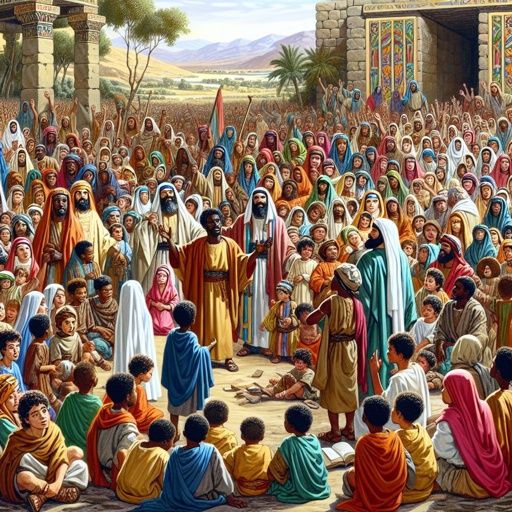
Ezra 2:18 - "The children of Jorah, an hundred and twelve."

Ezra 2:54 - "The children of Neziah, the children of Hatipha."

Ezra 2:20 - "The children of Gibbar, ninety and five."

Ezra 2:24 - "The children of Azmaveth, forty and two."

Ezra 2:39 - "The children of Harim, a thousand and seventeen."

Ezra 9:1-2
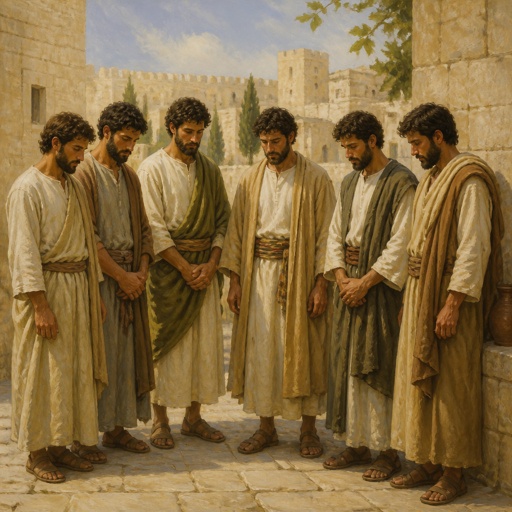
"And of the sons of Pashur; Elioenai, Maaseiah, Ishmael, Nethaneel, Jozabad, and Elasah." - Ezra 10:22

Ezra 2:9 - "The children of Zaccai, seven hundred and threescore."

Ezra 2:27 - "The men of Michmas, an hundred twenty and two."

Ezra 2:29 - "The children of Nebo, fifty and two."

Ezra 7:22 - "Unto an hundred talents of silver, and to an hundred measures of wheat, and to an hundred baths of wine, and to an hundred baths of oil, and salt without prescribing how much."

Ezra 2:56 - "The children of Jaalah, the children of Darkon, the children of Giddel,"

Ezra 2:11 - "The children of Bebai, six hundred twenty and three."

Ezra 2:53 - "The children of Barkos, the children of Sisera, the children of Thamah,"

Ezra 2:48 - "The children of Rezin, the children of Nekoda, the children of Gazzam,"

Ezra 2:15 - "The children of Adin, four hundred fifty and four."

Ezra 7:2 - "The son of Shallum, the son of Zadok, the son of Ahitub,"

Ezra 2:21 - "The children of Beth-lehem, an hundred twenty and three."