What does Ezra 2:31 mean?
“The children of the other Elam, a thousand two hundred fifty and four.” — Ezra 2:31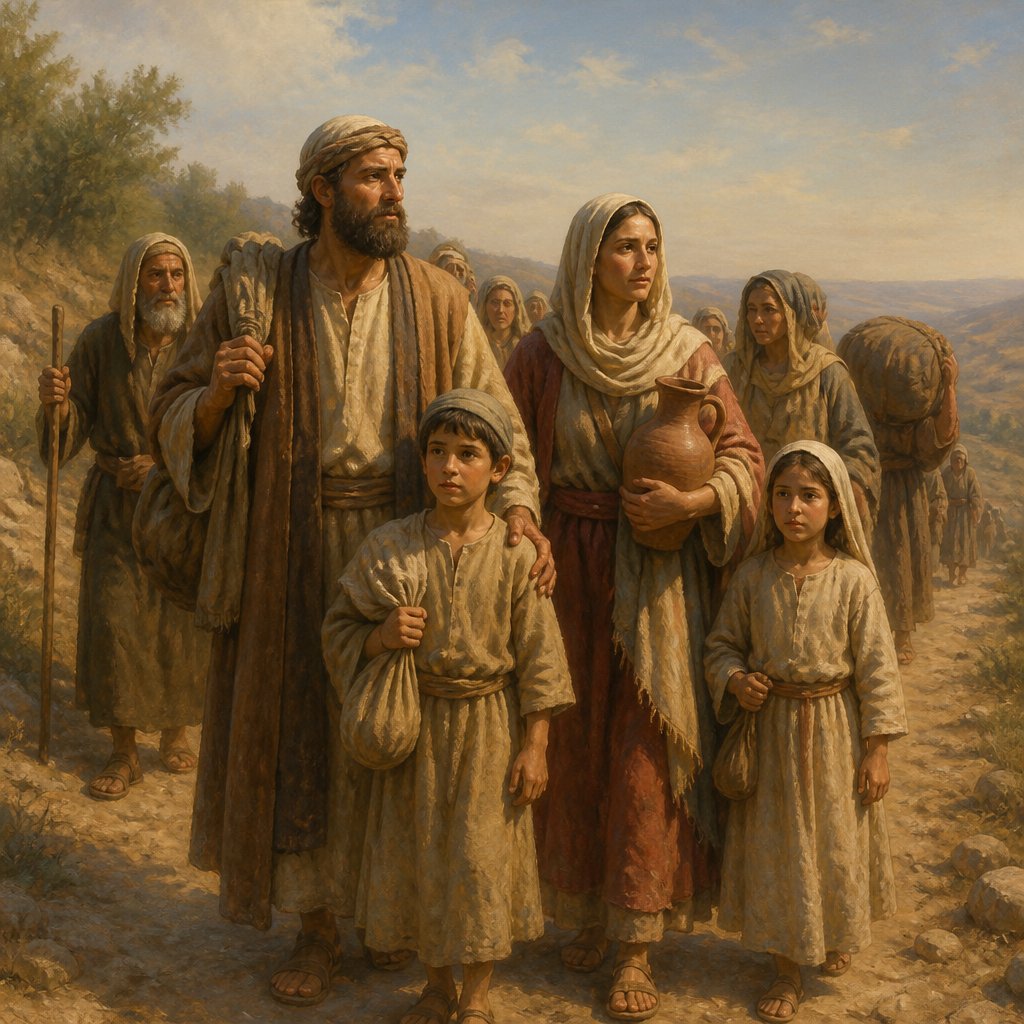
The verse Ezra 2:31 from the King James Version of the Bible reads: "The children of the other Elam, a thousand two hundred fifty and four." This verse is found in the book of Ezra, which is a historical account of the Israelites' return from exile in Babylon and the rebuilding of the temple in Jerusalem.
Context:
In order to understand the significance of this verse, it is important to grasp the historical and cultural context in which it is situated. The book of Ezra is set in the time period following the Babylonian exile, when the Israelites were allowed to return to their homeland by the decree of King Cyrus of Persia. The returning exiles were tasked with the daunting challenge of rebuilding their community, including reconstructing the temple in Jerusalem which had been destroyed by the Babylonians.
Ezra 2 provides a detailed list of the families and individuals who returned from exile, along with the number of people in each group. The verse in question, Ezra 2:31, specifically mentions the descendants of Elam who returned to the land of Judah. Elam was a region located in what is now southwestern Iran, and the fact that there were 1,254 descendants of Elam who returned indicates the diversity and broad geographical range of the returning exiles.
Meaning:
On a surface level, Ezra 2:31 simply presents a factual account of the number of exiles from the region of Elam who returned to Judah. However, the significance of this verse goes beyond just a numerical count. The inclusion of specific numbers and names in the Bible often serves to emphasize the meticulous record-keeping and the attention to detail of the ancient scribes. It also underscores the importance of each individual within the larger narrative of God's people.
Furthermore, the mention of the descendants of Elam has symbolic significance. In biblical symbolism, Elam is often associated with strength, endurance, and perseverance. The return of the Elamites to their homeland can be seen as a representation of the restoration and renewal of the nation of Israel as a whole. It conveys the idea that God's mercy and grace extend to all corners of the earth, and that even those from distant lands are included in His plan of redemption.
Themes:
One of the key themes that can be drawn from Ezra 2:31 is the theme of restoration and renewal. The entire book of Ezra revolves around the restoration of the Jewish community after the trauma of exile, and this verse is part of that larger narrative. It conveys the message that even in the midst of devastation and displacement, God remains faithful to His people and is able to bring about a new beginning.
Another theme that emerges from this verse is the theme of inclusion and diversity. The fact that specific mention is made of the descendants of Elam highlights the diverse makeup of the returning exiles. This serves as a reminder that God's plan encompasses people from all backgrounds and walks of life, and that His love and redemption are not limited by geographical or cultural boundaries.
Symbolism:
In addition to its historical and numerical significance, Ezra 2:31 can also be seen as holding symbolic meaning. The number 1,254 itself may hold symbolic significance, as numbers often carry symbolic weight in the Bible. The number 12 is often associated with divine authority and completeness, while the number 50 is symbolic of liberation and freedom. The combination of these numbers in the total count of the descendants of Elam may point to the idea of God's complete sovereignty and the freedom He grants to His people.
Overall, Ezra 2:31 is a verse that, though seemingly straightforward, holds layers of meaning within it. It serves as a part of the larger narrative of restoration and renewal in the book of Ezra, and conveys important themes of inclusion, diversity, and divine sovereignty. It reminds readers of the meticulous care with which God oversees His people and the redemptive power of His love.
Get our apps


Artwork for Ezra 2:31

Ezra 2:31 - "The children of the other Elam, a thousand two hundred fifty and four."

"The children of the other Elam, a thousand two hundred fifty and four." - Ezra 2:31

Ezra 10:31 - "And of the sons of Harim; Eliezer, Ishijah, Malchiah, Shemaiah, Shimeon,"

"And of the sons of Harim; Eliezer, Ishijah, Malchiah, Shemaiah, Shimeon," - Ezra 10:31

Ezra 3:2

Ezra 3:2

Ezra 3:2

Ezra 3:2

Ezra 3:2

Ezra 9:1-2

Zerubbabel in Ezra chapter 2

Ezra 2:22 - "The men of Netophah, fifty and six."
Ezra 2:18 - "The children of Jorah, an hundred and twelve."

Ezra 2:54 - "The children of Neziah, the children of Hatipha."

Ezra 2:20 - "The children of Gibbar, ninety and five."

Ezra 2:24 - "The children of Azmaveth, forty and two."

Ezra 2:39 - "The children of Harim, a thousand and seventeen."

Ezra 9:1-2

Ezra 2:9 - "The children of Zaccai, seven hundred and threescore."

Ezra 2:27 - "The men of Michmas, an hundred twenty and two."

Ezra 2:29 - "The children of Nebo, fifty and two."

Ezra 2:56 - "The children of Jaalah, the children of Darkon, the children of Giddel,"

Ezra 2:11 - "The children of Bebai, six hundred twenty and three."

Ezra 2:53 - "The children of Barkos, the children of Sisera, the children of Thamah,"

Ezra 2:45 - "The children of Lebanah, the children of Hagabah, the children of Akkub,"

Ezra 2:48 - "The children of Rezin, the children of Nekoda, the children of Gazzam,"

Ezra 2:15 - "The children of Adin, four hundred fifty and four."

Ezra 2:21 - "The children of Beth-lehem, an hundred twenty and three."

Ezra 2:51 - "The children of Bakbuk, the children of Hakupha, the children of Harhur,"

Ezra 2:49 - "The children of Uzza, the children of Paseah, the children of Besai,"