What does Ezra 2:42 mean?
“The children of the porters: the children of Shallum, the children of Ater, the children of Talmon, the children of Akkub, the children of Hatita, the children of Shobai, in all an hundred thirty and nine.” — Ezra 2:42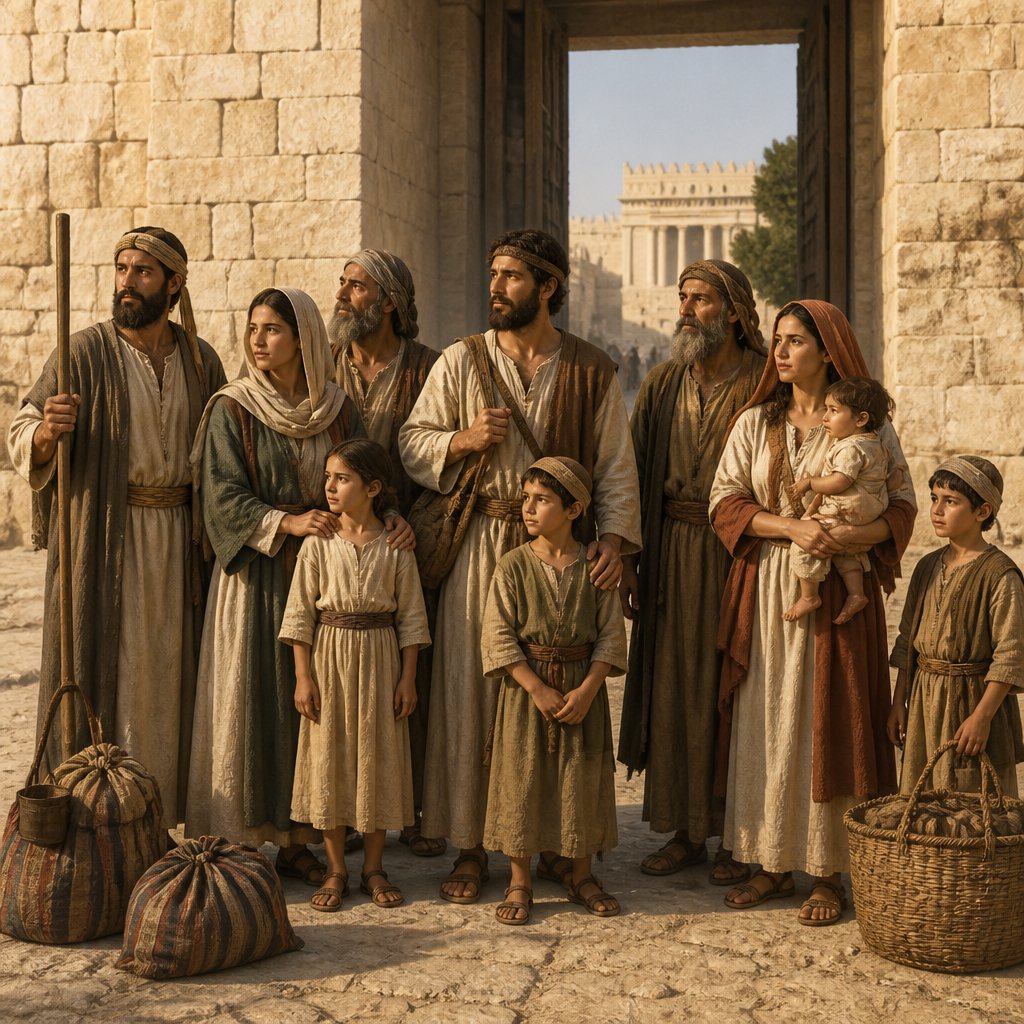
Ezra 2:42 KJV: "The children of the porters: the children of Shallum, the children of Ater, the children of Talmon, the children of Akkub, the children of Hatita, the children of Shobai, in all an hundred thirty and nine."
This verse is part of a larger passage in the book of Ezra that lists the number of people who returned to Jerusalem after the exile in Babylon. The verse specifically focuses on the descendants of the porters who returned to rebuild the city and the temple. While on the surface, this verse may seem like just a list of names and numbers, it holds significant meaning in the context of the larger biblical narrative.
The book of Ezra is set during a pivotal time in Israel's history. The Israelites had been exiled in Babylon for 70 years as a result of their disobedience to God. However, God remained faithful to his promises and allowed the Israelites to return to Jerusalem. The rebuilding of the temple and the city of Jerusalem was a tangible sign of God's faithfulness and the restoration of the covenant relationship between God and his people.
The mention of the "children of the porters" in this verse highlights the importance of every individual in the restoration of Jerusalem. The porters were responsible for guarding the gates and entrances of the city, ensuring its security and protection. Their role was essential for maintaining order and safety within the city. By listing the descendants of the porters, the verse emphasizes the collective effort and contribution of each individual in the rebuilding process. It underscores the idea that everyone had a part to play in the restoration of God's city.
Furthermore, the significance of the specific numbers mentioned in the verse should not be overlooked. In biblical numerology, the number "one" symbolizes unity and uniqueness, while the number "three" represents completeness and perfection. The number "thirty" is often associated with dedication and maturity, and "nine" signifies finality and divine completeness. Therefore, the sum of these numbers – one hundred thirty and nine – carries a deeper symbolic meaning of unity, completeness, and divine perfection in the context of the restoration of Jerusalem. It reflects the idea that God's plan for restoration was perfectly complete and unified in every detail.
In a broader sense, this verse underscores the importance of unity and collaboration in the work of God. Each individual, regardless of their role or background, had a valuable part to play in the restoration of Jerusalem. This concept of unity and collaboration is echoed throughout the Bible, emphasizing the importance of working together for the greater good and the advancement of God's kingdom.
Ultimately, this verse in the book of Ezra serves as a reminder of God's faithfulness, the importance of every individual in his plan, and the significance of unity and collaboration in the work of restoration. It is a testament to the sovereignty of God and the profound impact of collective effort in the fulfillment of his purposes. As believers, we are called to recognize the unique role that each person plays in God's plan and to work together in unity for the advancement of his kingdom.
Get our apps


Artwork for Ezra 2:42
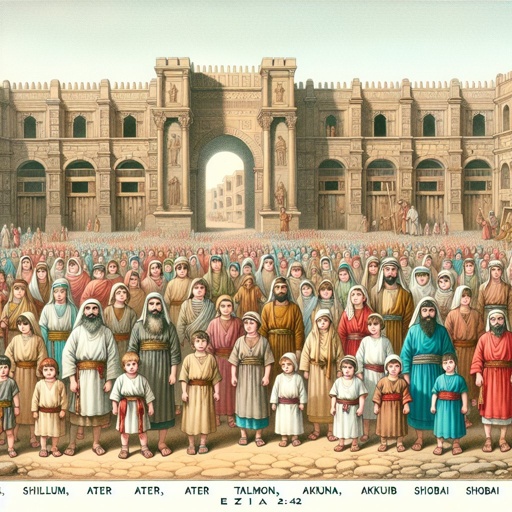
Ezra 2:42 - "¶ The children of the porters: the children of Shallum, the children of Ater, the children of Talmon, the children of Akkub, the children of Hatita, the children of Shobai, in all an hundred thirty and nine."
"¶ The children of the porters: the children of Shallum, the children of Ater, the children of Talmon, the children of Akkub, the children of Hatita, the children of Shobai, in all an hundred thirty and nine." - Ezra 2:42

Ezra 10:42 - "Shallum, Amariah, and Joseph."

"Shallum, Amariah, and Joseph." - Ezra 10:42

Ezra 3:2

Ezra 3:2

Ezra 3:2

Ezra 3:2

Ezra 3:2

Ezra 9:1-2

Zerubbabel in Ezra chapter 2

Acts 2:41-42

Acts 2:41-42

Acts 2:41-42

Acts 2:41-42

Acts 2:41-42

Acts 2:41-42

Acts 2:41-42

Acts 2:41-42

Acts 2:41-42

Acts 2:41-42

Acts 2:41-42

Acts 2:41-42

Acts 2:41-42

Genesis 42:1-2

Acts 2:41-42

Acts 2:41-42

Acts 2:41-42

Acts 2:41-42

Acts 2:41-42