What does Ezra 2:43 mean?
“The Nethinims: the children of Ziha, the children of Hasupha, the children of Tabbaoth,” — Ezra 2:43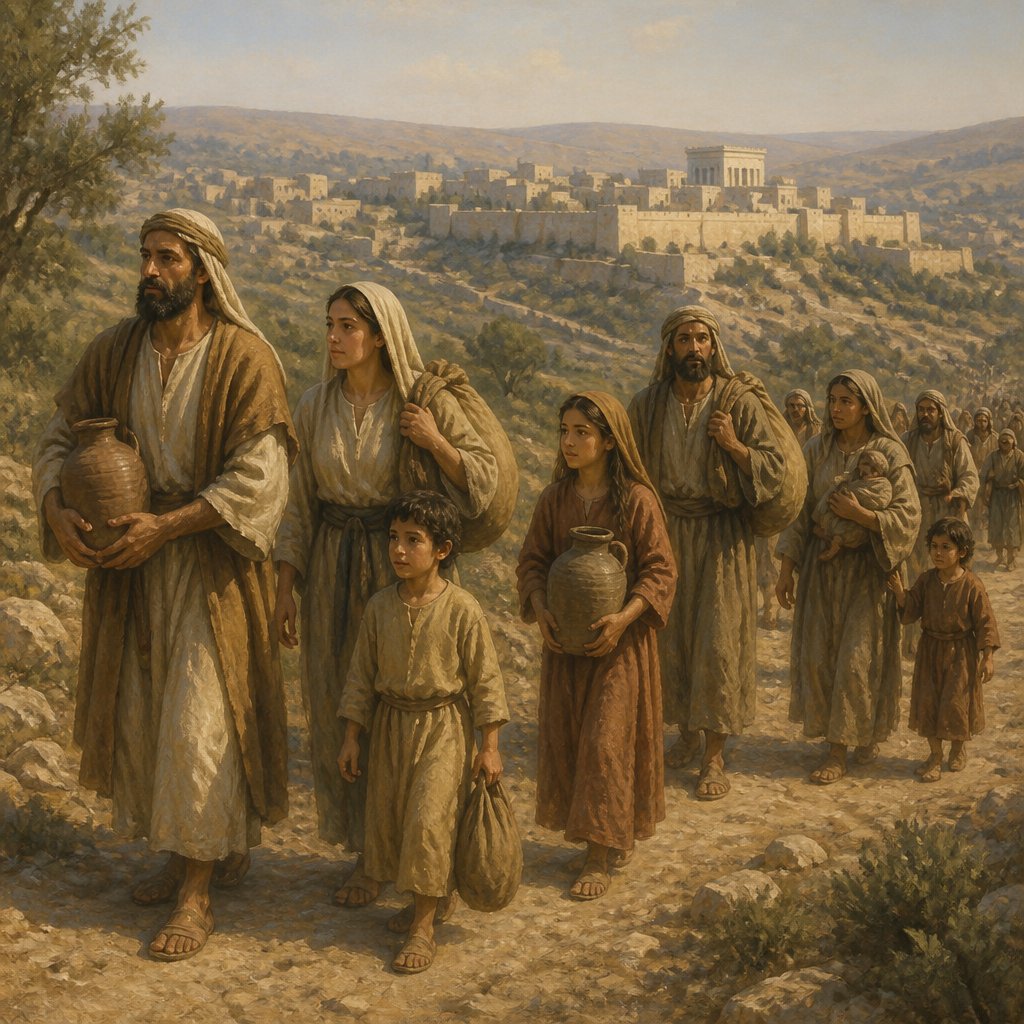
Ezra 2:43, from the King James Version, states: "The Nethinims: the children of Ziha, the children of Hasupha, the children of Tabbaoth," This verse is part of a larger passage in the book of Ezra, which describes the list of the families who returned from exile in Babylon to Jerusalem to rebuild the temple of the Lord.
The Nethinim were a class of Temple servants, who were given over to the Levites to assist in their duties. This particular verse lists the three families of Nethinims who returned from exile to help with the reconstruction of the temple. The mention of these families is significant as it shows the diverse groups of people who were willing to serve and contribute to the restoration of the temple, despite not being part of the priestly or Levitical clans.
The book of Ezra is set during a time when the Israelites were allowed to return to Jerusalem by King Cyrus of Persia, following their exile in Babylon. The Israelites had been taken into captivity due to their disobedience and idolatry. However, God had not abandoned them, and Cyrus' decree allowed them to return to their homeland and rebuild their temple. The reconstruction of the temple was a tangible sign of God's faithfulness and the restoration of the covenant between Him and His people.
In a broader context, the entire book of Ezra emphasizes themes of restoration, obedience, and the faithfulness of God. The return from exile was a time of great hope and promise, as the people were given a chance to start anew. The names of the Nethinim families in Ezra 2:43 symbolize the diversity and inclusiveness of the community that came together to rebuild the temple. It shows that the work of the Lord was not limited to just one group of people, but that it was a collective effort involving people from different backgrounds and social standings.
Another important theme in this verse is the idea of service and sacrifice. The Nethinims, as Temple servants, were dedicated to serving the needs of the priests and the temple. Their willingness to return to Jerusalem and participate in the reconstruction effort demonstrates their commitment to the worship of the Lord and their desire to serve His house. This serves as a powerful reminder that genuine worship and service to God involve personal sacrifice and a willingness to put the needs of others before our own.
The mention of the specific names of the Nethinim families, Ziha, Hasupha, and Tabbaoth, may also hold symbolic significance. In the Bible, names often carry special meanings or represent certain characteristics of the individuals or families. While the specific meanings of these names are not explicitly mentioned in the text, they may serve to highlight the individuality and uniqueness of each family within the broader community. It could also signify the personal significance of each family's contribution to the rebuilding of the temple.
In conclusion, Ezra 2:43, along with the larger context of the book of Ezra, highlights themes of restoration, obedience, and the faithfulness of God. The mention of the Nethinim families and their willingness to serve in the reconstruction effort signifies the diverse and inclusive nature of the community that came together to rebuild the temple. This verse also underscores the importance of service and sacrifice in the worship of the Lord. While the specific meanings of the names of the Nethinim families are not explained, they may carry symbolic significance in representing the individuality and personal significance of each family's contribution to the restoration of the temple. Overall, this verse serves as a reminder of the collective effort and dedication of the people in fulfilling God's purposes.
Get our apps


Artwork for Ezra 2:43

Ezra 2:43 - "¶ The Nethinims: the children of Ziha, the children of Hasupha, the children of Tabbaoth,"
"¶ The Nethinims: the children of Ziha, the children of Hasupha, the children of Tabbaoth," - Ezra 2:43

Ezra 10:43 - "Of the sons of Nebo; Jeiel, Mattithiah, Zabad, Zebina, Jadau, and Joel, Benaiah."
"Of the sons of Nebo; Jeiel, Mattithiah, Zabad, Zebina, Jadau, and Joel, Benaiah." - Ezra 10:43

Isaiah 43:2

Ezra 3:2

Ezra 3:2

Ezra 3:2

Ezra 3:2

Ezra 3:2

Ezra 9:1-2

Zerubbabel in Ezra chapter 2

Ezra 2:22 - "The men of Netophah, fifty and six."
Ezra 2:18 - "The children of Jorah, an hundred and twelve."

Ezra 2:54 - "The children of Neziah, the children of Hatipha."

Ezra 2:20 - "The children of Gibbar, ninety and five."

Ezra 2:24 - "The children of Azmaveth, forty and two."

Ezra 2:39 - "The children of Harim, a thousand and seventeen."

Ezra 9:1-2

Ezra 2:9 - "The children of Zaccai, seven hundred and threescore."

Ezra 2:27 - "The men of Michmas, an hundred twenty and two."

Ezra 2:29 - "The children of Nebo, fifty and two."

Ezra 2:56 - "The children of Jaalah, the children of Darkon, the children of Giddel,"

Ezra 2:11 - "The children of Bebai, six hundred twenty and three."

Ezra 2:53 - "The children of Barkos, the children of Sisera, the children of Thamah,"

Ezra 2:48 - "The children of Rezin, the children of Nekoda, the children of Gazzam,"

Ezra 2:15 - "The children of Adin, four hundred fifty and four."

Ezra 7:2 - "The son of Shallum, the son of Zadok, the son of Ahitub,"

Ezra 2:21 - "The children of Beth-lehem, an hundred twenty and three."

Ezra 2:45 - "The children of Lebanah, the children of Hagabah, the children of Akkub,"