What does Ezra 2:44 mean?
“The children of Keros, the children of Siaha, the children of Padon,” — Ezra 2:44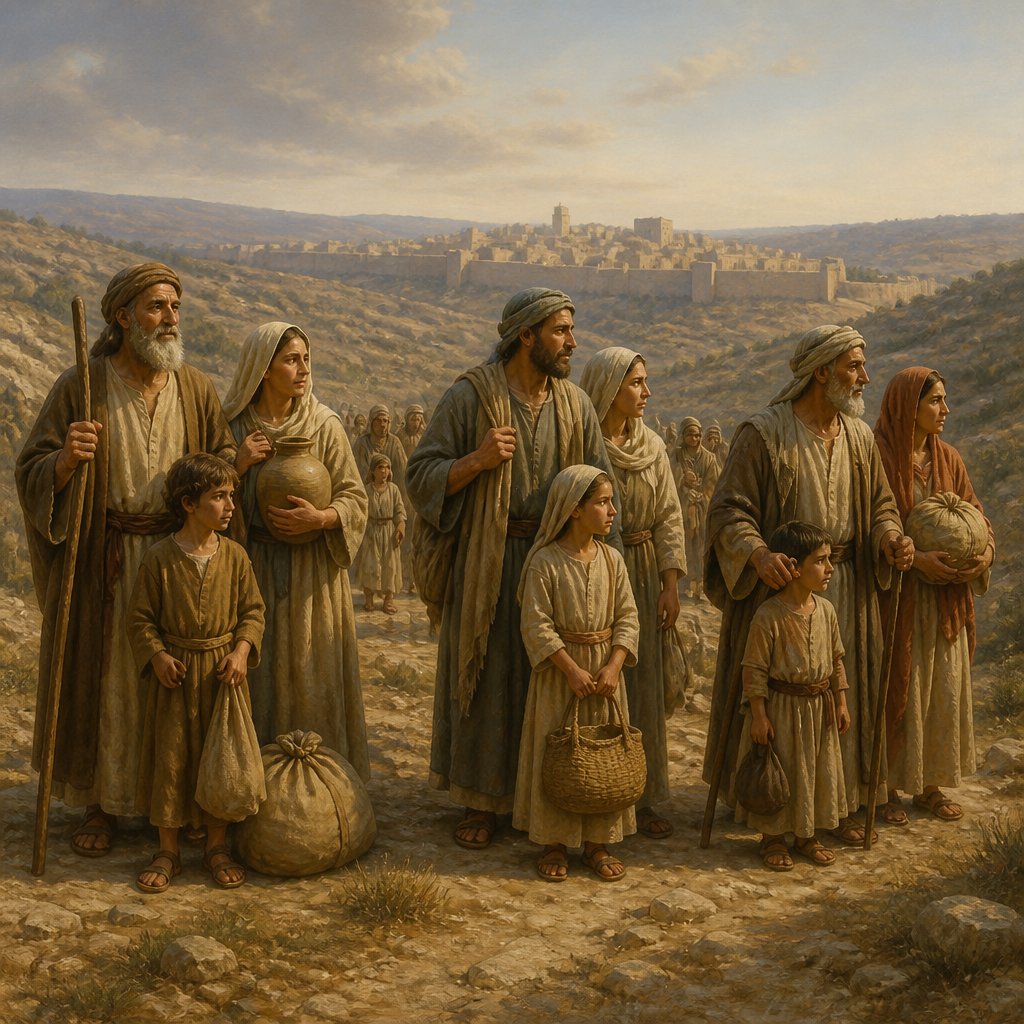
Ezra 2:44 in the King James Version of the Bible reads: "The children of Keros, the children of Siaha, the children of Padon,". This verse is part of a list of the heads of families who returned with Zerubbabel to Jerusalem after the Babylonian exile. The context of this verse is found in the book of Ezra, which details the return of the Israelites from exile in Babylon and their rebuilding of the temple in Jerusalem.
The book of Ezra is set in a time of transition for the Israelites, as they return to their homeland after being exiled in Babylon for 70 years. The rebuilding of the temple is a central theme in the book, and the list of families in Ezra 2 serves to highlight the restoration of the nation of Israel after the exile. The verse in question specifically lists the descendants of Keros, Siaha, and Padon, who were among those who returned to Jerusalem to rebuild the temple.
One of the key themes in this verse is the importance of lineage and heritage. The Bible places a strong emphasis on genealogy, as it is through the lineage of certain families that God's plan for the redemption of the world is fulfilled. In this verse, the mention of the children of Keros, Siaha, and Padon serves to emphasize the continuity of God's covenant with His people, as these families play a part in the restoration of Israel.
Another important theme in this verse is the idea of restoration and renewal. The return of the Israelites from exile and the rebuilding of the temple symbolize a new beginning for the nation. The mention of these families in the list underscores the idea that God is faithful to His promises and that He is capable of bringing about restoration after a period of exile and hardship.
Symbolism is also present in this verse, as the names of the families listed may hold symbolic meaning. For example, the name "Keros" may be derived from the Hebrew word for "turning" or "setting up," which could symbolize the turning point for the Israelites as they return to their homeland and begin rebuilding. Similarly, the name "Siaha" may be related to the Hebrew word for "help" or "support," which could symbolize the assistance that God provides to His people in their restoration. The name "Padon" may also hold significance, as it could be related to the Hebrew word for "redemption" or "forgiveness," highlighting the theme of God's redemption and forgiveness for His people.
In addition to these themes and symbolism, the verse in question also serves as a reminder of the faithfulness of God. The fact that these families are specifically named and recorded in the Bible highlights the importance of every individual in God's plan. It serves as a reminder that God is mindful of each person and their role in His overarching plan for redemption and restoration.
In conclusion, Ezra 2:44 is a verse that may seem insignificant at first glance, but upon closer examination, it reveals deep themes of heritage, restoration, and the faithfulness of God. The inclusion of these families in the list of those who returned from exile serves to underscore the larger narrative of God's plan for His people and His ongoing faithfulness to them. The verse is a testament to the significance of individual contributions to God's greater work and a reminder that God is capable of bringing restoration and renewal to His people.
Get our apps


Artwork for Ezra 2:44

Ezra 2:44 - "The children of Keros, the children of Siaha, the children of Padon,"
"The children of Keros, the children of Siaha, the children of Padon," - Ezra 2:44

Ezra 10:44 - "All these had taken strange wives: and some of them had wives by whom they had children."

"All these had taken strange wives: and some of them had wives by whom they had children." - Ezra 10:44

Ezra 3:2

Ezra 3:2

Ezra 3:2

Ezra 3:2

Ezra 3:2

Ezra 9:1-2

Zerubbabel in Ezra chapter 2

Ezra 2:22 - "The men of Netophah, fifty and six."
Ezra 2:18 - "The children of Jorah, an hundred and twelve."

Ezra 2:54 - "The children of Neziah, the children of Hatipha."

Ezra 2:20 - "The children of Gibbar, ninety and five."

Ezra 2:24 - "The children of Azmaveth, forty and two."

Ezra 2:39 - "The children of Harim, a thousand and seventeen."

Ezra 9:1-2

Ezra 2:9 - "The children of Zaccai, seven hundred and threescore."

Ezra 2:27 - "The men of Michmas, an hundred twenty and two."

Ezra 2:29 - "The children of Nebo, fifty and two."

Ezra 2:56 - "The children of Jaalah, the children of Darkon, the children of Giddel,"

Ezra 2:11 - "The children of Bebai, six hundred twenty and three."

Ezra 2:53 - "The children of Barkos, the children of Sisera, the children of Thamah,"

Ezra 2:45 - "The children of Lebanah, the children of Hagabah, the children of Akkub,"

Ezra 2:48 - "The children of Rezin, the children of Nekoda, the children of Gazzam,"

Ezra 2:15 - "The children of Adin, four hundred fifty and four."

Ezra 2:21 - "The children of Beth-lehem, an hundred twenty and three."

Ezra 2:51 - "The children of Bakbuk, the children of Hakupha, the children of Harhur,"

Ezra 2:49 - "The children of Uzza, the children of Paseah, the children of Besai,"