What does Ezra 2:52 mean?
“The children of Bazluth, the children of Mehida, the children of Harsha,” — Ezra 2:52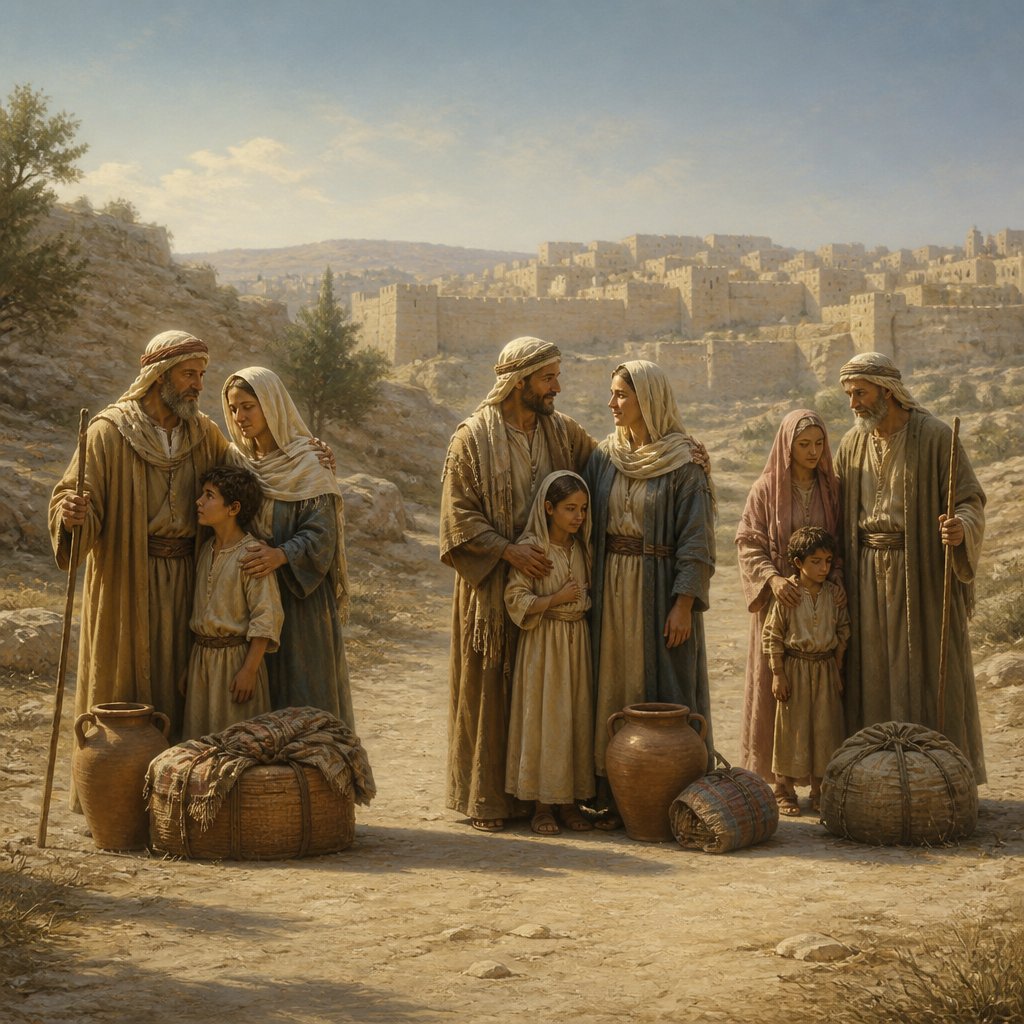
Ezra 2:52 in the King James Version of the Bible reads, "The children of Besai, the children of Meunim, the children of Nephishesim." This verse is a part of a larger passage that lists the genealogy of the Israelites who returned to Jerusalem after the Babylonian exile. The chapter as a whole records the number of individuals from various ancestral families who came back to Jerusalem with Zerubbabel and Jeshua.
At first glance, this verse may seem insignificant or unimportant, as it is mainly a list of names, but it holds deep significance within the broader context of the book of Ezra and the Bible as a whole. Understanding this verse requires delving into the historical and cultural context of the time it was written, as well as considering the broader themes and symbolism within the biblical narrative.
The book of Ezra is set against the backdrop of the Babylonian exile, a period of great suffering and upheaval for the people of Israel. The exile was a punishment for their disobedience and idolatry, and it was a time of great spiritual and national crisis. However, the book of Ezra tells the story of the Israelites' return to their homeland and their efforts to rebuild their society, both physically and spiritually.
The genealogies in the book of Ezra serve as a record of the restoration of the Israelites' identity and heritage. They demonstrate the continuity of the covenant between God and his chosen people, and they affirm the importance of maintaining the lineage and traditions of the Jewish people. The specific names mentioned in Ezra 2:52 may not be familiar to modern readers, but they would have carried great significance for the original audience, as they represented the families and lineages that were integral to the identity of the Israelite community.
The inclusion of these genealogies in the biblical narrative emphasizes the importance of honoring one's roots and heritage. It underscores the idea that the Israelites were a chosen people with a special relationship to God, and that their identity as a community was deeply rooted in their ancestral lineage. For the Israelites returning from exile, this would have been a poignant reminder of their unique place in the world and their responsibility to preserve their cultural and religious heritage.
Beyond its historical and cultural significance, Ezra 2:52 also carries spiritual and symbolic meaning within the broader biblical narrative. The genealogies in the Old Testament often serve as a foreshadowing of the genealogy of Jesus Christ, who would come as the ultimate fulfillment of God's covenant with his people. Each name in the genealogical record points to the larger story of redemption and salvation that culminates in the life, death, and resurrection of Jesus.
In this sense, Ezra 2:52 can be seen as a link in the chain of God's redemptive plan for humanity. It represents the continuation of God's faithfulness to his people and his commitment to fulfilling his promises. This verse serves as a reminder that God is at work throughout history, shaping and guiding the course of human events for the ultimate purpose of salvation and reconciliation.
In conclusion, while Ezra 2:52 may appear to be a simple list of names, it carries deep significance within the broader context of the biblical narrative. It speaks to the importance of honoring one's heritage and maintaining a sense of continuity with the past. It also points to the larger story of God's redemptive plan for humanity, and the ultimate fulfillment of that plan in the person of Jesus Christ. This verse serves as a testament to God's faithfulness and his ongoing work in the world, and it reminds believers of the larger significance of their place in the grand sweep of salvation history.
Get our apps


Artwork for Ezra 2:52
Ezra 2:52 - "The children of Bazluth, the children of Mehida, the children of Harsha,"
"The children of Bazluth, the children of Mehida, the children of Harsha," - Ezra 2:52

Luke 2:52

Luke 2:41-52

Luke 2:52 - "And Jesus increased in wisdom and stature, and in favour with God and man."

Ezra 3:2

Ezra 3:2

Ezra 3:2

Psalms 52:2 - "Thy tongue deviseth mischiefs; like a sharp razor, working deceitfully."

1 Chronicles 2:52 - "And Shobal the father of Kirjath-jearim had sons; Haroeh, and half of the Manahethites."

Ezra 3:2

Ezra 3:2

Jeremiah 52:2 - "And he did that which was evil in the eyes of the LORD, according to all that Jehoiakim had done."

Ezra 9:1-2

Zerubbabel in Ezra chapter 2

Ezra 2:22 - "The men of Netophah, fifty and six."
Ezra 2:18 - "The children of Jorah, an hundred and twelve."

Ezra 2:54 - "The children of Neziah, the children of Hatipha."

Ezra 2:20 - "The children of Gibbar, ninety and five."

Ezra 2:24 - "The children of Azmaveth, forty and two."

Ezra 2:39 - "The children of Harim, a thousand and seventeen."

Ezra 9:1-2

Ezra 2:9 - "The children of Zaccai, seven hundred and threescore."

Ezra 2:27 - "The men of Michmas, an hundred twenty and two."

Ezra 2:29 - "The children of Nebo, fifty and two."

Ezra 2:56 - "The children of Jaalah, the children of Darkon, the children of Giddel,"

Ezra 2:11 - "The children of Bebai, six hundred twenty and three."

Ezra 2:53 - "The children of Barkos, the children of Sisera, the children of Thamah,"

Ezra 2:45 - "The children of Lebanah, the children of Hagabah, the children of Akkub,"

Ezra 2:48 - "The children of Rezin, the children of Nekoda, the children of Gazzam,"