What does Ezra 2:60 mean?
“The children of Delaiah, the children of Tobiah, the children of Nekoda, six hundred fifty and two.” — Ezra 2:60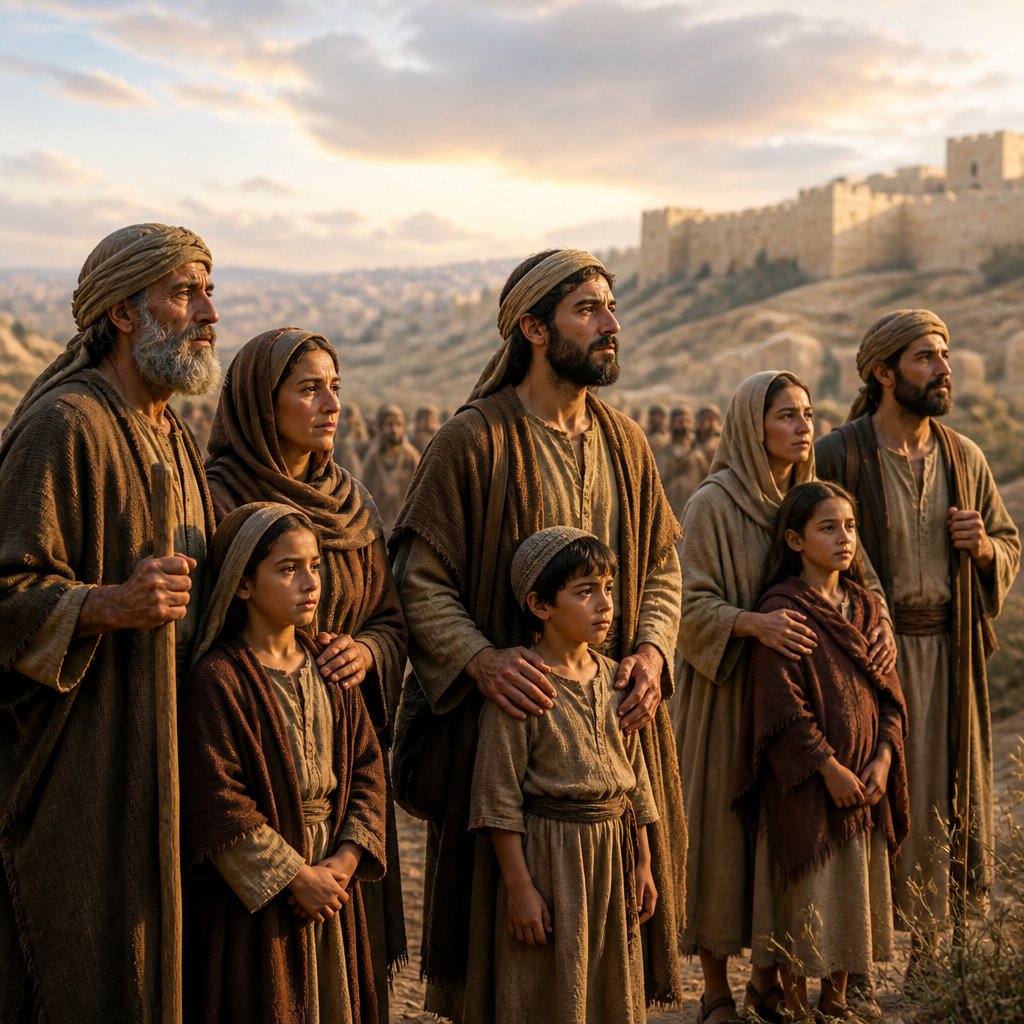
Ezra 2:60 (KJV) states, "The children of Delaiah, the children of Tobiah, the children of Nekoda, six hundred fifty and two."
Ezra 2:60 is part of a list of individuals who returned to Jerusalem after the Babylonian exile. The entire passage (Ezra 2:1-70) is a record of the account of the people of Israel who returned to their homeland after being held in captivity by the Babylonians. The verse lists the descendants of three families who were among those who returned.
The book of Ezra is an important historical and religious document, detailing the restoration of the Jewish community in Jerusalem after the exile. The return to Jerusalem was a significant event for the people of Israel, as it marked the beginning of the rebuilding of their nation and the restoration of their faith and customs. The genealogical details in these chapters of Ezra are intended to establish the rightful claims of the returnees to the lands, and to make sure that priestly duties were carried out by those who were the rightful heirs. This was a crucial aspect of Jewish identity and religious practice.
Looking specifically at Ezra 2:60, the mention of these family names may seem insignificant at first glance, but it holds deep meaning within the overall context of the book. The names Delaiah, Tobiah, and Nekoda are not particularly well-known figures in the Bible, but their inclusion in the list serves as a reminder of the importance of every individual in the eyes of God.
The significance of the number “six hundred fifty and two” has also been the subject of much discussion among biblical scholars and theologians. Some suggest that this number, like many others in the Bible, holds symbolic meaning. The number six is often associated with imperfection or incompleteness in biblical numerology. However, when combined with 652, it forms an enigmatic figure that is open to interpretation.
One possible interpretation is that it represents a specific count of the individuals from these families who returned to Jerusalem. This would emphasize the attention to detail in recording the returnees, reinforcing the idea that every individual mattered in the eyes of God and in the restoration of the nation.
Another interpretation is that the number may symbolize the completeness and fullness of God’s plan for the restoration of His people. Despite the imperfections and difficulties faced by the returnees, their return signifies a complete and intentional act of God to bring His people back to their homeland and to restore their identity as a nation.
The themes of restoration, redemption, and divine intervention are central to the book of Ezra, and they are underscored by the meticulous recording of the returnees, including the mention of individual family names and the specific count of individuals. The return to Jerusalem was not a random event; it was a deliberate and carefully orchestrated plan by God to bring His people back to their land and to renew their faith and identity.
In conclusion, Ezra 2:60 may seem like a simple verse with little significance, but within the broader context of the book of Ezra, it holds deep meaning. It serves as a reminder of the importance of every individual in the eyes of God, the meticulous planning of His restoration of His people, and the completeness of His divine plan. This verse, along with the rest of the chapter, is a testament to the faithfulness and sovereignty of God in the history of His people.
Get our apps


Artwork for Ezra 2:60

Ezra 2:60 - "The children of Delaiah, the children of Tobiah, the children of Nekoda, six hundred fifty and two."
"The children of Delaiah, the children of Tobiah, the children of Nekoda, six hundred fifty and two." - Ezra 2:60

Psalms 60:2 - "Thou hast made the earth to tremble; thou hast broken it: heal the breaches thereof; for it shaketh."

Ezra 3:2

Ezra 3:2

Ezra 3:2

Ezra 3:2

Ezra 3:2

Ezra 9:1-2

Zerubbabel in Ezra chapter 2

Ezra 2:22 - "The men of Netophah, fifty and six."
Ezra 2:18 - "The children of Jorah, an hundred and twelve."

Ezra 2:54 - "The children of Neziah, the children of Hatipha."

Ezra 2:20 - "The children of Gibbar, ninety and five."

Ezra 2:24 - "The children of Azmaveth, forty and two."

Ezra 2:39 - "The children of Harim, a thousand and seventeen."

Ezra 9:1-2

Ezra 2:9 - "The children of Zaccai, seven hundred and threescore."

Ezra 2:27 - "The men of Michmas, an hundred twenty and two."

Ezra 2:29 - "The children of Nebo, fifty and two."

Ezra 2:56 - "The children of Jaalah, the children of Darkon, the children of Giddel,"

Ezra 2:11 - "The children of Bebai, six hundred twenty and three."

Ezra 2:53 - "The children of Barkos, the children of Sisera, the children of Thamah,"

Ezra 2:48 - "The children of Rezin, the children of Nekoda, the children of Gazzam,"

Ezra 2:15 - "The children of Adin, four hundred fifty and four."

Ezra 7:2 - "The son of Shallum, the son of Zadok, the son of Ahitub,"

Ezra 2:21 - "The children of Beth-lehem, an hundred twenty and three."

Ezra 2:45 - "The children of Lebanah, the children of Hagabah, the children of Akkub,"

Ezra 2:49 - "The children of Uzza, the children of Paseah, the children of Besai,"

Ezra 2:51 - "The children of Bakbuk, the children of Hakupha, the children of Harhur,"