What does Ezra 4:3 mean?
“But Zerubbabel, and Jeshua, and the rest of the chief of the fathers of Israel, said unto them, Ye have nothing to do with us to build an house unto our God; but we ourselves together will build unto the LORD God of Israel, as king Cyrus the king of Persia hath commanded us.” — Ezra 4:3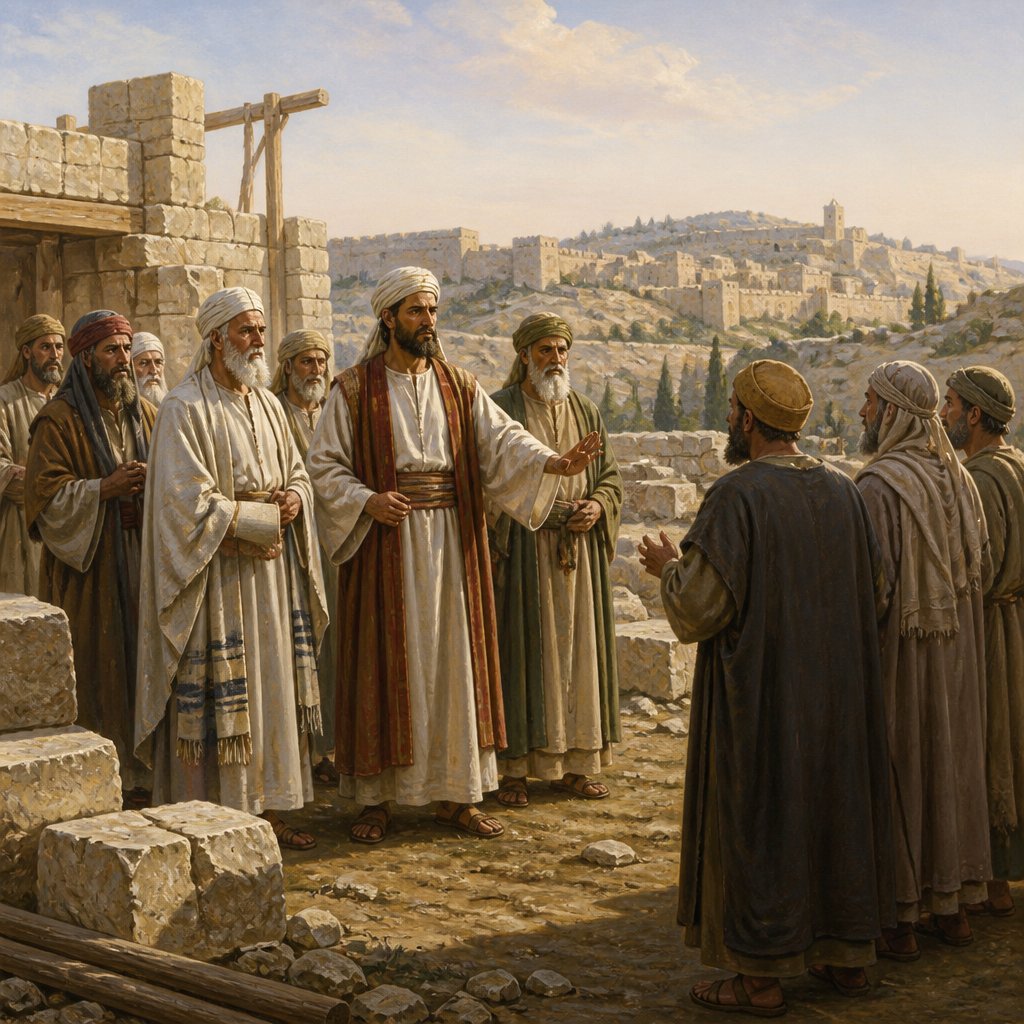
Ezra 4:3 (KJV) states: "But Zerubbabel, and Jeshua, and the rest of the chief of the fathers of Israel, said unto them, Ye have nothing to do with us to build an house unto our God; but we ourselves together will build unto the Lord God of Israel, as king Cyrus the king of Persia hath commanded us."
This verse from the Book of Ezra finds the leaders of Israel, particularly Zerubbabel and Jeshua, responding to the interference and opposition of their neighbors in the rebuilding of the temple in Jerusalem. To understand the significance of this verse, it is important to consider the historical and contextual background of the Book of Ezra.
The book of Ezra primarily focuses on the return of the Israelites from the Babylonian exile and the subsequent rebuilding of the temple in Jerusalem. In Ezra 1, we read about King Cyrus of Persia issuing a decree allowing the Israelites to return to their land and rebuild the temple. Zerubbabel, a prominent leader of the Israelites, was appointed as the governor of Judah, and Jeshua, the high priest, played a crucial role in the religious aspects of the community's restoration.
In the midst of their efforts to rebuild the temple, the Israelites faced opposition from their neighbors, who sought to disrupt the work and hinder the progress of the project. The verse in question captures the response of Zerubbabel, Jeshua, and the other leaders to this interference. They assert their sole responsibility and authority in building the house of God, declaring that their neighbors have no part in this sacred endeavor. This response embodies the Israelites' determination to remain faithful to their calling, despite facing external resistance and opposition.
One of the key themes that emerge from this verse is the notion of divine calling and obedience. Zerubbabel, Jeshua, and the other leaders of Israel firmly assert their commitment to fulfill the command of the king of Persia and, more importantly, the command of the Lord God of Israel. Their refusal to allow outside interference reflects their unwavering faith and determination to honor their divine calling, even in the face of adversity. This theme of obedience to God's command is central to the narrative of Ezra, as it underscores the Israelites' desire to be faithful to their covenant with God and to uphold their religious identity in the midst of a challenging and hostile environment.
Furthermore, the verse highlights the unity and solidarity of the Israelite community in the face of opposition. Zerubbabel, Jeshua, and the rest of the chief fathers of Israel present a united front in response to the attempts of their neighbors to disrupt their work. This unity not only demonstrates the cohesive nature of the Israelite community but also emphasizes their shared commitment to the restoration of their religious and national identity. The refusal to allow external interference reflects their collective resolve to rebuild the temple and to reaffirm their allegiance to the Lord God of Israel.
Symbolically, the verse may be interpreted as a representation of the inner strength and conviction of the Israelite community. In the face of external pressures and opposition, the leaders exhibit a strong sense of resolve and determination to remain faithful to their calling. The verse serves as a reminder of the importance of unwavering faith and commitment in the face of adversity and the significance of remaining steadfast in the pursuit of one's spiritual and national identity.
In conclusion, Ezra 4:3 embodies the themes of divine calling, obedience, unity, and steadfastness in the face of opposition. The verse serves as a testament to the resilience and determination of the Israelite community to uphold their religious and national identity, despite facing external pressures and resistance. This passage continues to inspire readers to remain steadfast in their faith and commitment to their calling, even when confronted with obstacles and opposition.
Get our apps


Artwork for Ezra 4:3

Ezra 4:3 - "But Zerubbabel, and Jeshua, and the rest of the chief of the fathers of Israel, said unto them, Ye have nothing to do with us to build an house unto our God; but we ourselves together will build unto the LORD God of Israel, as king Cyrus the king of Persia hath commanded us."
"But Zerubbabel, and Jeshua, and the rest of the chief of the fathers of Israel, said unto them, Ye have nothing to do with us to build an house unto our God; but we ourselves together will build unto the LORD God of Israel, as king Cyrus the king of Persia hath commanded us." - Ezra 4:3

Ezra 3:4 - "¶ They kept also the feast of tabernacles, as it is written, and offered the daily burnt offerings by number, according to the custom, as the duty of every day required;"

Ezra 4:4

Ezra 4:4

Ezra 3:2

Ezra 10:3

Ezra 3:2

Ezra 3:10

Ezra 3:9

Ezra 3:2

Ezra 9:3

Ezra 3:2

Ezra 3:2

Ezra 10:3

Zerubbabel in Ezra chapter 4

Zerubbabel in Ezra chapter 4

Zerubbabel in Ezra chapter 3

Ezra 4:4 - "Then the people of the land weakened the hands of the people of Judah, and troubled them in building,"

Altar rebuilt in Jerusalem. Ezra 3:1-3

Letter to the king in Ezra chapter 4

Ezra 7:4 - "The son of Zerahiah, the son of Uzzi, the son of Bukki,"

Ezra 7:3 - "The son of Amariah, the son of Azariah, the son of Meraioth,"

Ezra 2:4 - "The children of Shephatiah, three hundred seventy and two."

Ezra 2:3 - "The children of Parosh, two thousand an hundred seventy and two."

Pagan women leave with their children ezra 10:3

Ezra 8:4 - "Of the sons of Pahath-moab; Elihoenai the son of Zerahiah, and with him two hundred males."
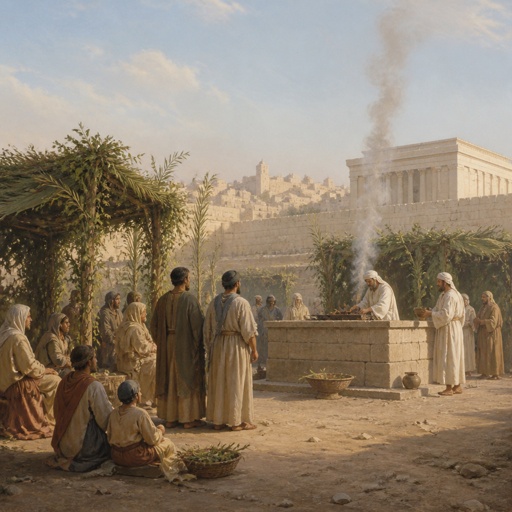
"¶ They kept also the feast of tabernacles, as it is written, and offered the daily burnt offerings by number, according to the custom, as the duty of every day required;" - Ezra 3:4

Pagan women leave with their children ezra 10:3

Ezra 4:22 - "Take heed now that ye fail not to do this: why should damage grow to the hurt of the kings?"