What does Ezra 7:18 mean?
“And whatsoever shall seem good to thee, and to thy brethren, to do with the rest of the silver and the gold, that do after the will of your God.” — Ezra 7:18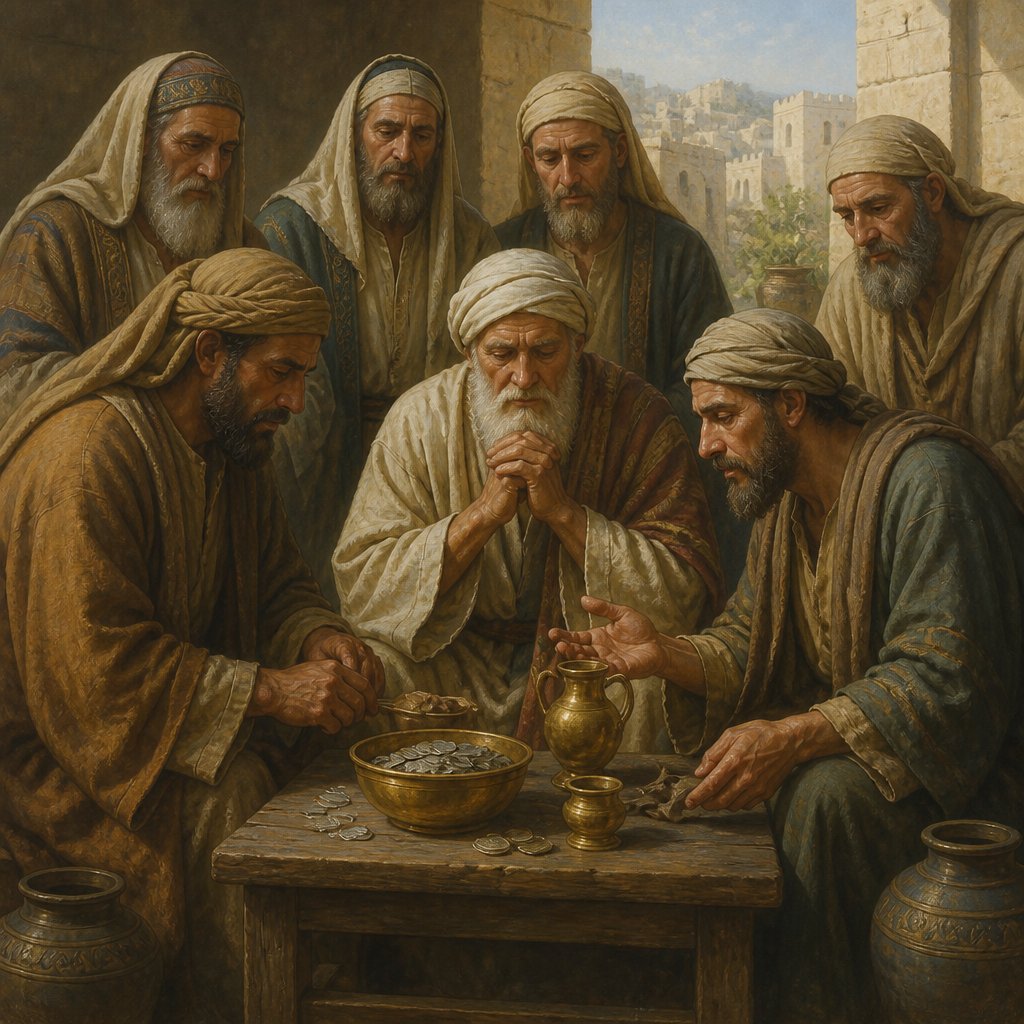
Ezra 7:18 (KJV) states: "And whatsoever shall seem good to thee, and to thy brethren, to do with the rest of the silver and the gold, that do after the will of your God."
This verse is part of a larger passage in the Book of Ezra, which documents the return of the Jews from the Babylonian exile and the rebuilding of the Temple in Jerusalem. The verse is spoken to Ezra, a scribe and priest, by King Artaxerxes of Persia. The context of this verse is the king's decree allowing Ezra and his fellow exiles to return to Judea and to take with them offerings for the house of their God.
The primary theme of this verse is obedience to the will of God. King Artaxerxes instructs Ezra and his brethren to use the silver and gold as they see fit, in accordance with the will of their God. This reflects the king's respect for the Jewish God and his willingness to empower Ezra and his people to follow their religious beliefs and practices. It also emphasizes the importance of seeking and following the guidance of God in all matters, including the use of material resources.
Furthermore, this verse highlights the concept of stewardship. The silver and gold mentioned in the verse were designated for the temple service and offerings to God. The responsibility of managing and utilizing these resources wisely and in accordance with God's will falls to Ezra and his brethren. This principle of stewardship is a recurring theme throughout the Bible, emphasizing the importance of managing resources in a way that honors God and serves His purposes.
The verse also underscores the importance of unity and collaboration among believers. The king's instruction is directed not only to Ezra but also to his brethren, signifying the collective responsibility and decision-making process within the community of faith. This highlights the value of seeking consensus and working together in discerning and carrying out God's will.
Symbolically, the silver and gold mentioned in the verse represent material wealth and resources. In the biblical context, precious metals were often used in the construction and adornment of sacred spaces, such as the tabernacle and the temple. Therefore, they symbolize the tangible offerings and sacrifices made to honor and glorify God. Their use and allocation as directed by the king and in accordance with the will of God symbolize the alignment of secular authority with divine purpose, as well as the sanctification of material wealth for spiritual use.
In conclusion, Ezra 7:18 (KJV) conveys a message of obedience to God's will, responsible stewardship, unity within the faith community, and the sanctification of material resources for spiritual purposes. It serves as a reminder for believers to seek and follow God's guidance in all matters, including the management of material blessings, and to work together in fulfilling His purposes. The verse also reflects the broader themes of divine sovereignty, providential care, and the intertwining of secular and sacred dimensions of life.
Get our apps


Artwork for Ezra 7:18

Ezra 7:18 - "And whatsoever shall seem good to thee, and to thy brethren, to do with the rest of the silver and the gold, that do after the will of your God."
"And whatsoever shall seem good to thee, and to thy brethren, to do with the rest of the silver and the gold, that do after the will of your God." - Ezra 7:18
Ezra 2:18 - "The children of Jorah, an hundred and twelve."

Ezra 7:12 - "Artaxerxes, king of kings, unto Ezra the priest, a scribe of the law of the God of heaven, perfect peace, and at such a time."

Ezra 7:10 - "For Ezra had prepared his heart to seek the law of the LORD, and to do it, and to teach in Israel statutes and judgments."

Ezra 7:1 - "Now after these things, in the reign of Artaxerxes king of Persia, Ezra the son of Seraiah, the son of Azariah, the son of Hilkiah,"
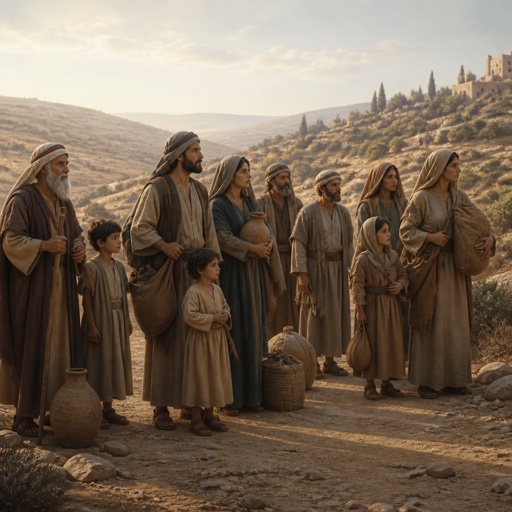
"The children of Jorah, an hundred and twelve." - Ezra 2:18

Ezra 7:11 - "¶ Now this is the copy of the letter that the king Artaxerxes gave unto Ezra the priest, the scribe, even a scribe of the words of the commandments of the LORD, and of his statutes to Israel."

Ezra 7:2 - "The son of Shallum, the son of Zadok, the son of Ahitub,"

Ezra 7:4 - "The son of Zerahiah, the son of Uzzi, the son of Bukki,"

Ezra 7:3 - "The son of Amariah, the son of Azariah, the son of Meraioth,"

Ezra 2:7 - "The children of Elam, a thousand two hundred fifty and four."
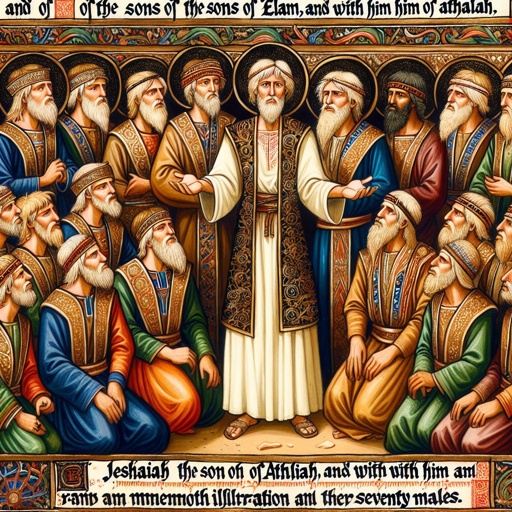
Ezra 8:7 - "And of the sons of Elam; Jeshaiah the son of Athaliah, and with him seventy males."

Ezra 7:8 - "And he came to Jerusalem in the fifth month, which was in the seventh year of the king."

Ezra 6:18 - "And they set the priests in their divisions, and the Levites in their courses, for the service of God, which is at Jerusalem; as it is written in the book of Moses."

Ezra 4:18 - "The letter which ye sent unto us hath been plainly read before me."

Ezra 7:21 - "And I, even I Artaxerxes the king, do make a decree to all the treasurers which are beyond the river, that whatsoever Ezra the priest, the scribe of the law of the God of heaven, shall require of you, it be done speedily,"

Ezra 7:7 - "And there went up some of the children of Israel, and of the priests, and the Levites, and the singers, and the porters, and the Nethinims, unto Jerusalem, in the seventh year of Artaxerxes the king."

Ezra 7:5 - "The son of Abishua, the son of Phinehas, the son of Eleazar, the son of Aaron the chief priest:"

Ezra 7:6 - "This Ezra went up from Babylon; and he was a ready scribe in the law of Moses, which the LORD God of Israel had given: and the king granted him all his request, according to the hand of the LORD his God upon him."

Ezra 7:25 - "And thou, Ezra, after the wisdom of thy God, that is in thine hand, set magistrates and judges, which may judge all the people that are beyond the river, all such as know the laws of thy God; and teach ye them that know them not."

"Artaxerxes, king of kings, unto Ezra the priest, a scribe of the law of the God of heaven, perfect peace, and at such a time." - Ezra 7:12

"For Ezra had prepared his heart to seek the law of the LORD, and to do it, and to teach in Israel statutes and judgments." - Ezra 7:10

Ezra 5:7 - "They sent a letter unto him, wherein was written thus; Unto Darius the king, all peace."

"Now after these things, in the reign of Artaxerxes king of Persia, Ezra the son of Seraiah, the son of Azariah, the son of Hilkiah," - Ezra 7:1

"The son of Zerahiah, the son of Uzzi, the son of Bukki," - Ezra 7:4

Ezra 7:19 - "The vessels also that are given thee for the service of the house of thy God, those deliver thou before the God of Jerusalem."

"The son of Amariah, the son of Azariah, the son of Meraioth," - Ezra 7:3

"The son of Shallum, the son of Zadok, the son of Ahitub," - Ezra 7:2

Ezra 10:7 - "And they made proclamation throughout Judah and Jerusalem unto all the children of the captivity, that they should gather themselves together unto Jerusalem;"