What does Ezra 7:22 mean?
“Unto an hundred talents of silver, and to an hundred measures of wheat, and to an hundred baths of wine, and to an hundred baths of oil, and salt without prescribing how much.” — Ezra 7:22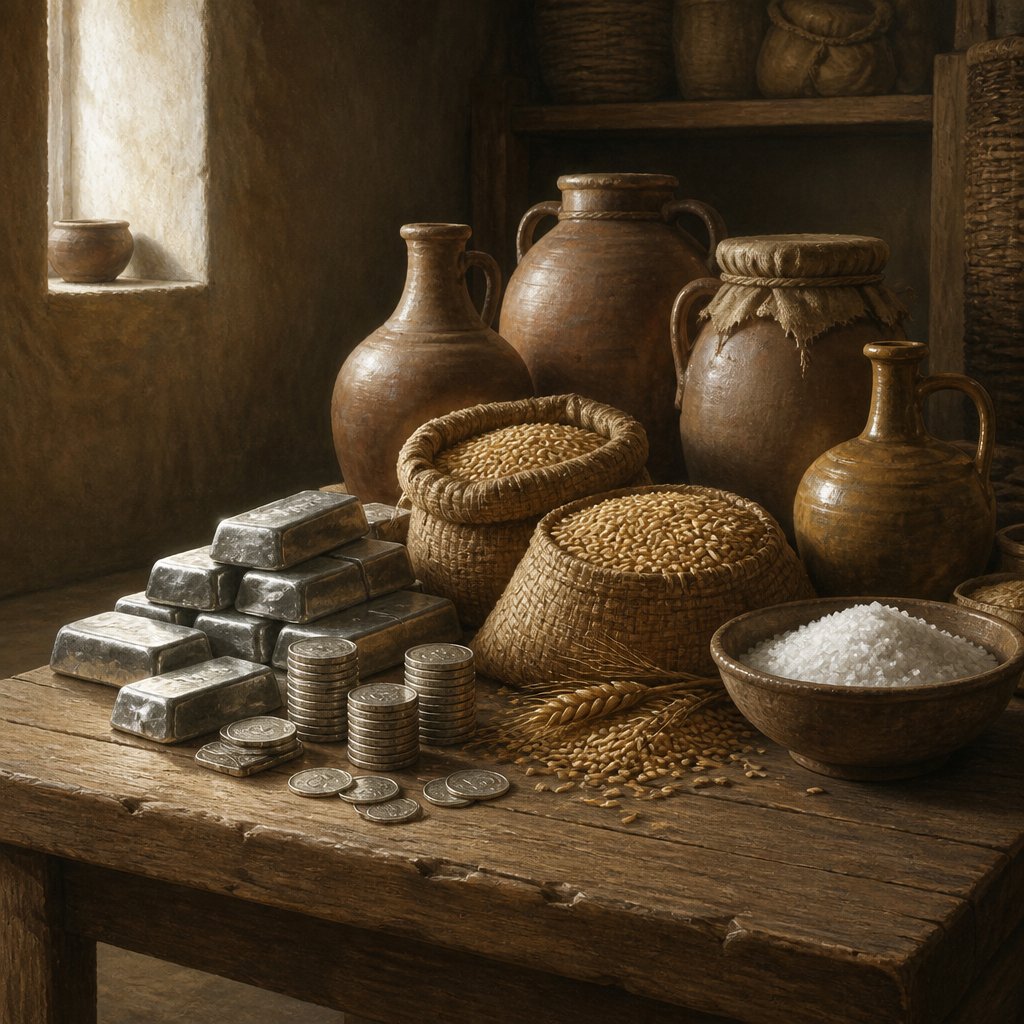
Ezra 7:22 (KJV) states: "Unto an hundred talents of silver, and to an hundred measures of wheat, and to an hundred baths of wine, and to an hundred baths of oil, and salt without prescribing how much."
This verse is part of a letter of authorization from King Artaxerxes of Persia to Ezra the priest and scribe, allowing him to lead a second wave of exiles from Babylon back to Jerusalem. The letter gave Ezra the authority to govern Judah according to the law of God, and to take with him any material resources he deemed necessary for the temple and its priests.
In this specific verse, King Artaxerxes is granting Ezra permission to take a generous amount of resources - silver, wheat, wine, oil, and salt - for the service of the temple. It reflects the king's support for the worship of the God of Israel and his willingness to provide the necessary provisions for the temple to function properly.
From a historical and contextual standpoint, this verse highlights the theme of God’s providence and how He uses even non-believers to accomplish His purposes. Despite the pagan and God-defying nature of the Persian Empire, God’s hand was still at work, using the king to support and further the renewal of worship in Jerusalem.
The symbolism in this verse is also significant. Each item listed - silver, wheat, wine, oil, and salt - holds symbolic value in the context of the temple and its worship. Silver was a symbol of redemption and atonement, often used for the construction and maintenance of the temple. Wheat symbolized sustenance and provision, essential for the priests and their families. Wine and oil were used in the sacrificial system and for anointing, representing joy and consecration. Salt was a symbol of purity and covenant, used in various offerings and covenants with God.
The generosity of King Artaxerxes in providing these resources also carries symbolic weight. It can be seen as a reflection of God’s abundant provision for His people, as well as the generosity and favor of those in positions of authority towards the worship and service of God.
From a spiritual standpoint, this verse serves to remind believers of the importance of material resources in the service of God. It’s not just about spiritual matters, but also about the practical and physical needs of worship and ministry. God’s work requires the support and generosity of His people, and He can even use non-believers to provide for the needs of His kingdom.
Furthermore, the verse also speaks to the role of leadership and authority in supporting the work of God. King Artaxerxes’ granting of these resources demonstrates the impact and influence that leaders can have on the prosperity and continuation of religious practices and institutions.
In conclusion, Ezra 7:22 (KJV) holds deep significance within its historical, contextual, and spiritual frameworks. It serves as a reminder of God’s providence in using secular authority for the advancement of His kingdom, as well as the importance of material resources in the worship and service of God. Furthermore, it highlights the symbolism of the resources granted and the role of leadership in promoting and sustaining the work of God.
Get our apps


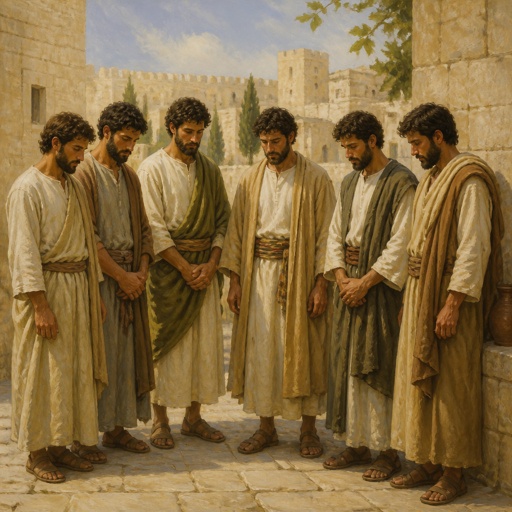
Artwork for Ezra 7:22

Ezra 7:22 - "Unto an hundred talents of silver, and to an hundred measures of wheat, and to an hundred baths of wine, and to an hundred baths of oil, and salt without prescribing how much."
"Unto an hundred talents of silver, and to an hundred measures of wheat, and to an hundred baths of wine, and to an hundred baths of oil, and salt without prescribing how much." - Ezra 7:22

Ezra 2:22 - "The men of Netophah, fifty and six."

Ezra 7:12 - "Artaxerxes, king of kings, unto Ezra the priest, a scribe of the law of the God of heaven, perfect peace, and at such a time."

Ezra 7:10 - "For Ezra had prepared his heart to seek the law of the LORD, and to do it, and to teach in Israel statutes and judgments."

Ezra 7:1 - "Now after these things, in the reign of Artaxerxes king of Persia, Ezra the son of Seraiah, the son of Azariah, the son of Hilkiah,"

Ezra 10:22 - "And of the sons of Pashur; Elioenai, Maaseiah, Ishmael, Nethaneel, Jozabad, and Elasah."
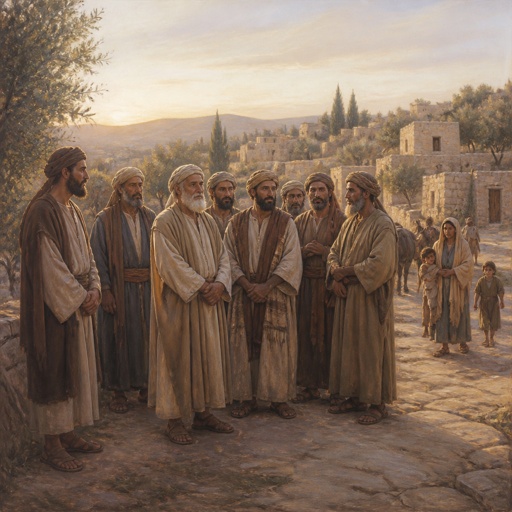
"The men of Netophah, fifty and six." - Ezra 2:22

Ezra 7:11 - "¶ Now this is the copy of the letter that the king Artaxerxes gave unto Ezra the priest, the scribe, even a scribe of the words of the commandments of the LORD, and of his statutes to Israel."

Ezra 7:2 - "The son of Shallum, the son of Zadok, the son of Ahitub,"

Ezra 7:4 - "The son of Zerahiah, the son of Uzzi, the son of Bukki,"

Ezra 4:22 - "Take heed now that ye fail not to do this: why should damage grow to the hurt of the kings?"

Ezra 7:3 - "The son of Amariah, the son of Azariah, the son of Meraioth,"

Ezra 2:7 - "The children of Elam, a thousand two hundred fifty and four."
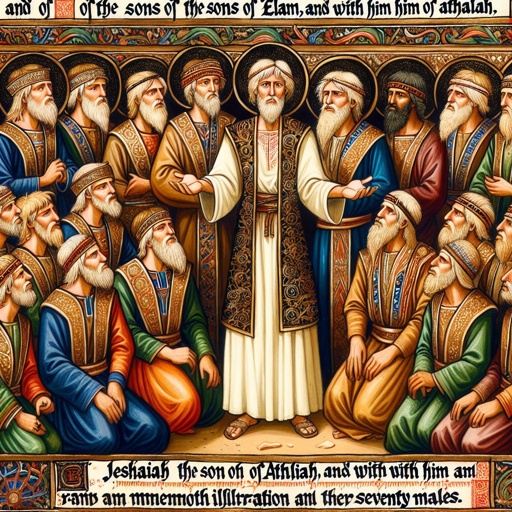
Ezra 8:7 - "And of the sons of Elam; Jeshaiah the son of Athaliah, and with him seventy males."

Ezra 7:8 - "And he came to Jerusalem in the fifth month, which was in the seventh year of the king."

Ezra 7:21 - "And I, even I Artaxerxes the king, do make a decree to all the treasurers which are beyond the river, that whatsoever Ezra the priest, the scribe of the law of the God of heaven, shall require of you, it be done speedily,"

Ezra 7:7 - "And there went up some of the children of Israel, and of the priests, and the Levites, and the singers, and the porters, and the Nethinims, unto Jerusalem, in the seventh year of Artaxerxes the king."

Ezra 7:5 - "The son of Abishua, the son of Phinehas, the son of Eleazar, the son of Aaron the chief priest:"

Ezra 7:6 - "This Ezra went up from Babylon; and he was a ready scribe in the law of Moses, which the LORD God of Israel had given: and the king granted him all his request, according to the hand of the LORD his God upon him."

Ezra 7:25 - "And thou, Ezra, after the wisdom of thy God, that is in thine hand, set magistrates and judges, which may judge all the people that are beyond the river, all such as know the laws of thy God; and teach ye them that know them not."
"And of the sons of Pashur; Elioenai, Maaseiah, Ishmael, Nethaneel, Jozabad, and Elasah." - Ezra 10:22

"Artaxerxes, king of kings, unto Ezra the priest, a scribe of the law of the God of heaven, perfect peace, and at such a time." - Ezra 7:12

"For Ezra had prepared his heart to seek the law of the LORD, and to do it, and to teach in Israel statutes and judgments." - Ezra 7:10

Ezra 5:7 - "They sent a letter unto him, wherein was written thus; Unto Darius the king, all peace."

"Now after these things, in the reign of Artaxerxes king of Persia, Ezra the son of Seraiah, the son of Azariah, the son of Hilkiah," - Ezra 7:1

"The son of Zerahiah, the son of Uzzi, the son of Bukki," - Ezra 7:4

Ezra 7:19 - "The vessels also that are given thee for the service of the house of thy God, those deliver thou before the God of Jerusalem."

Ezra 7:18 - "And whatsoever shall seem good to thee, and to thy brethren, to do with the rest of the silver and the gold, that do after the will of your God."

"The son of Amariah, the son of Azariah, the son of Meraioth," - Ezra 7:3