What does Ezra 8:28 mean?
“And I said unto them, Ye are holy unto the LORD; the vessels are holy also; and the silver and the gold are a freewill offering unto the LORD God of your fathers.” — Ezra 8:28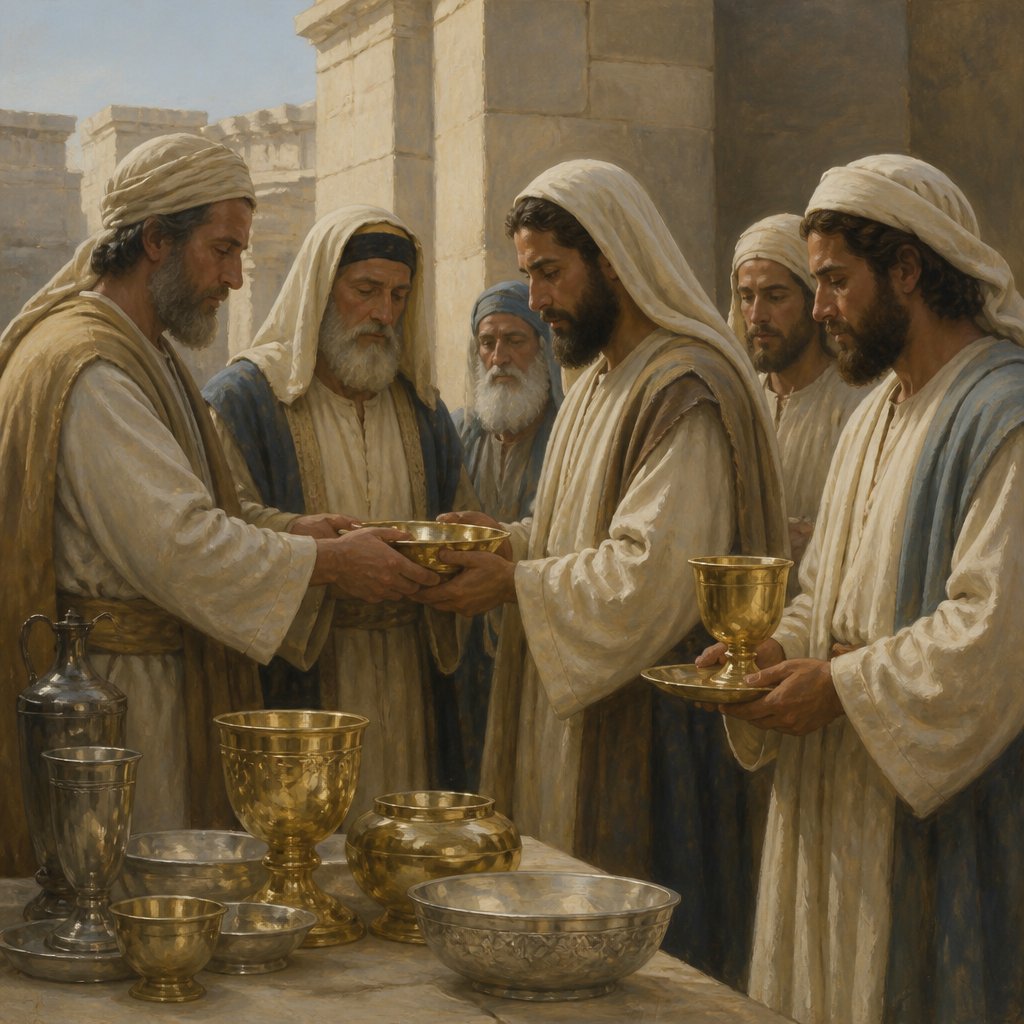
Ezra 8:28 (KJV) states, "And I said unto them, Ye are holy unto the Lord; the vessels are holy also; and the silver and the gold are a freewill offering unto the Lord God of your fathers."
The book of Ezra is a historical and prophetic book in the Old Testament. It is named after its main character, a scribe and priest, who led a group of exiles from Babylon back to Jerusalem to rebuild the temple. This verse comes from a passage in which Ezra is organizing a group of people and resources to take back to Jerusalem. Here, he is speaking to the Levites, who were responsible for transporting the holy vessels and offerings for the temple.
In this verse, Ezra emphasizes the sacred nature of the people and the objects being brought back to Jerusalem. He declares the Levites to be holy unto the Lord, indicating their special set-apart status as servants of God. This holiness is also extended to the vessels, silver, and gold, as they are deemed as freewill offerings to the Lord God of their fathers.
One of the main themes of this verse is the concept of holiness. The word "holy" is mentioned three times in this short passage, highlighting its significance. Holiness in the Bible refers to being set apart for God's purposes. In this context, the people, vessels, silver, and gold are all deemed as holy because they are dedicated to the service of the Lord. This idea is central to the Jewish faith, as they were called to be a holy nation and to live in obedience to God's commands.
Another theme in this verse is the act of offering. The silver and gold mentioned here are considered freewill offerings to the Lord. In the Old Testament, offerings were a way for the Israelites to express their gratitude, dedication, and worship to God. These offerings were voluntary, demonstrating a heart of generosity and devotion. Furthermore, the act of bringing these valuable materials back to Jerusalem signified the restoration and recommitment to the worship of God in the rebuilt temple.
Symbolism plays a significant role in this verse as well. The vessels, silver, and gold represent the material resources that were essential for the worship and service of God in the temple. These items were not only valuable in a material sense but also carried spiritual significance as symbols of the people's faith and commitment to God. The dedication and holiness of these offerings demonstrate the Israelite's desire to honor and glorify God by contributing their best to the service of the temple.
The context of this verse is also worth considering. The Israelites had spent years in exile in Babylon, and now, under the leadership of Ezra, they were returning to their homeland to rebuild the temple and reinstate the true worship of God. This verse reflects the importance of prioritizing the sacred over the secular, as highlighted by the designation of holiness to the people and the offerings they were bringing back to Jerusalem.
In conclusion, Ezra 8:28 from the KJV Bible conveys the themes of holiness, offering, and symbolism. It speaks to the significance of dedicating oneself and valuable resources to the service of God. Through this verse, we are reminded of the importance of setting ourselves apart for God's purposes, willingly offering our best to honor and glorify Him. This passage also serves as a historical and spiritual reminder of the Israelites' commitment to restoring the worship and service of God in their homeland.
Get our apps


Artwork for Ezra 8:28
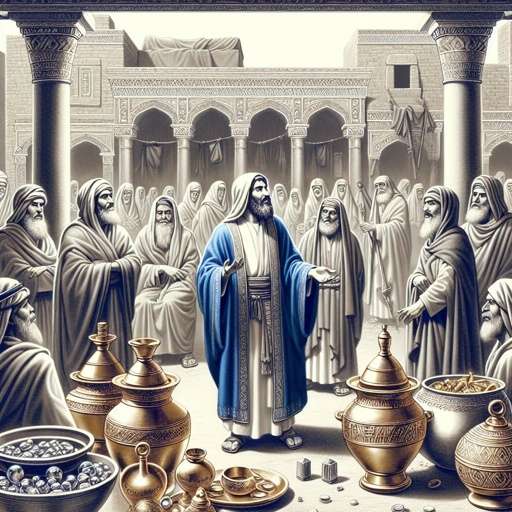
Ezra 8:28 - "And I said unto them, Ye are holy unto the LORD; the vessels are holy also; and the silver and the gold are a freewill offering unto the LORD God of your fathers."
"And I said unto them, Ye are holy unto the LORD; the vessels are holy also; and the silver and the gold are a freewill offering unto the LORD God of your fathers." - Ezra 8:28

Ezra 10:28 - "Of the sons also of Bebai; Jehohanan, Hananiah, Zabbai, and Athlai."
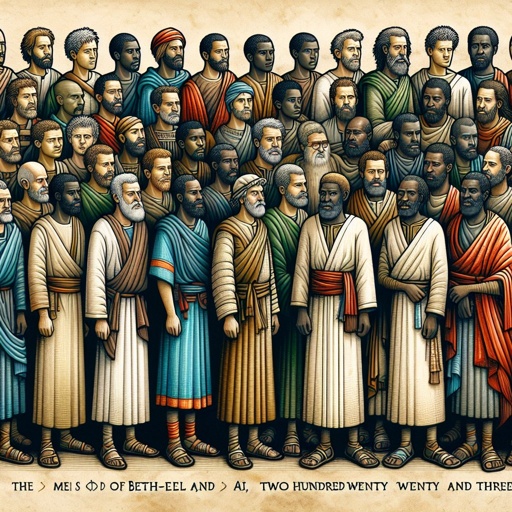
Ezra 2:28 - "The men of Beth-el and Ai, two hundred twenty and three."

Ezra 8:21

Ezra 8:8 - "And of the sons of Shephatiah; Zebadiah the son of Michael, and with him fourscore males."

Ezra 8:32 - "And we came to Jerusalem, and abode there three days."

Ezra 2:8 - "The children of Zattu, nine hundred forty and five."
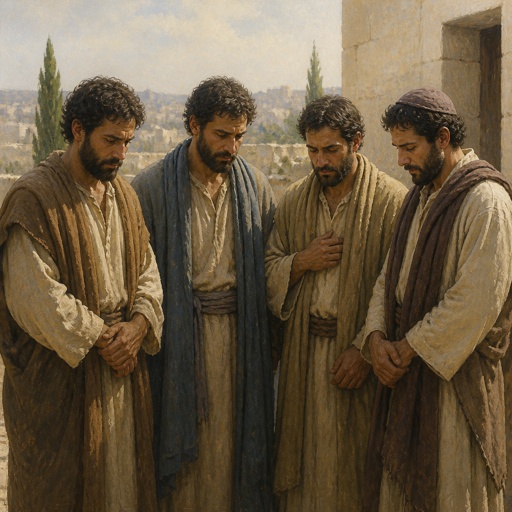
"Of the sons also of Bebai; Jehohanan, Hananiah, Zabbai, and Athlai." - Ezra 10:28
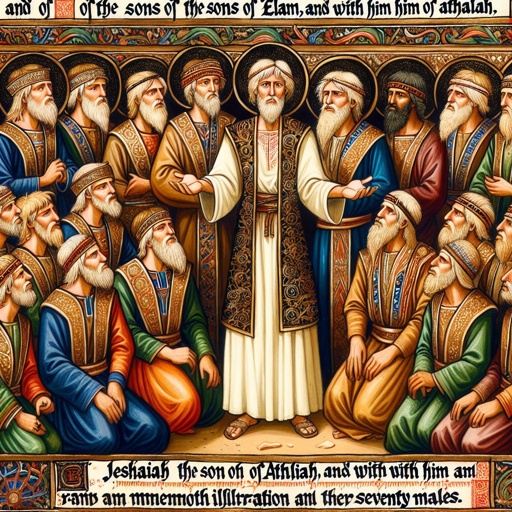
Ezra 8:7 - "And of the sons of Elam; Jeshaiah the son of Athaliah, and with him seventy males."

Ezra 8:10 - "And of the sons of Shelomith; the son of Josiphiah, and with him an hundred and threescore males."
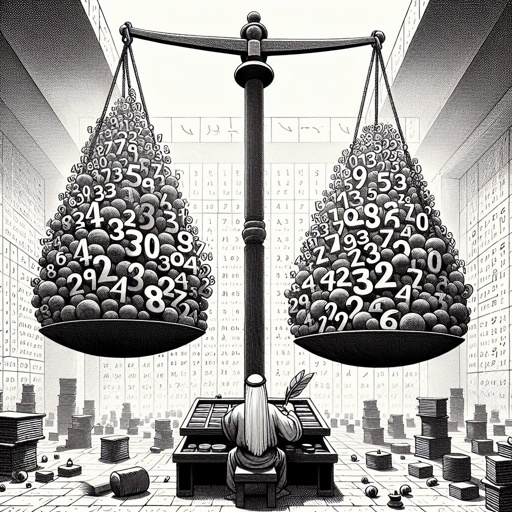
Ezra 8:34 - "By number and by weight of every one: and all the weight was written at that time."

Ezra 8:14 - "Of the sons also of Bigvai; Uthai, and Zabbud, and with them seventy males."

Ezra 8:5 - "Of the sons of Shechaniah; the son of Jahaziel, and with him three hundred males."

Ezra 8:12 - "And of the sons of Azgad; Johanan the son of Hakkatan, and with him an hundred and ten males."

Ezra 7:8 - "And he came to Jerusalem in the fifth month, which was in the seventh year of the king."

Ezra 8:19 - "And Hashabiah, and with him Jeshaiah of the sons of Merari, his brethren and their sons, twenty;"

Ezra 8:6 - "Of the sons also of Adin; Ebed the son of Jonathan, and with him fifty males."

Ezra 8:23 - "So we fasted and besought our God for this: and he was intreated of us."
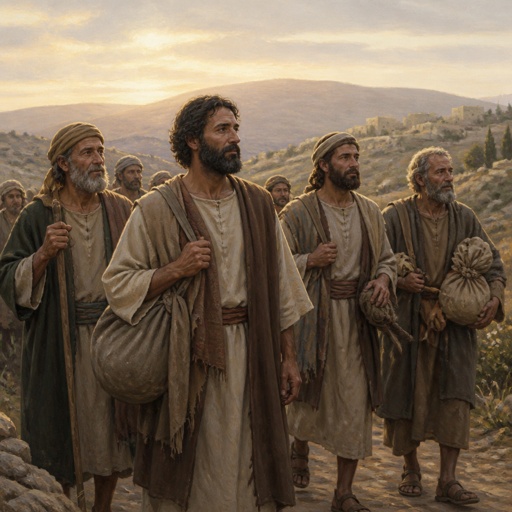
"The men of Beth-el and Ai, two hundred twenty and three." - Ezra 2:28

Ezra 8:11 - "And of the sons of Bebai; Zechariah the son of Bebai, and with him twenty and eight males."

Ezra 8:2 - "Of the sons of Phinehas; Gershom: of the sons of Ithamar; Daniel: of the sons of David; Hattush."

Ezra 8:4 - "Of the sons of Pahath-moab; Elihoenai the son of Zerahiah, and with him two hundred males."

"And of the sons of Shephatiah; Zebadiah the son of Michael, and with him fourscore males." - Ezra 8:8

Ezra 8:9 - "Of the sons of Joab; Obadiah the son of Jehiel, and with him two hundred and eighteen males."

Ezra 8:24 - "¶ Then I separated twelve of the chief of the priests, Sherebiah, Hashabiah, and ten of their brethren with them,"

Ezra 8:13 - "And of the last sons of Adonikam, whose names are these, Eliphelet, Jeiel, and Shemaiah, and with them threescore males."

Ezra 4:8 - "Rehum the chancellor and Shimshai the scribe wrote a letter against Jerusalem to Artaxerxes the king in this sort:"

Ezra 8:3 - "Of the sons of Shechaniah, of the sons of Pharosh; Zechariah: and with him were reckoned by genealogy of the males an hundred and fifty."

Ezra 8:27 - "Also twenty basons of gold, of a thousand drams; and two vessels of fine copper, precious as gold."