What does Galatians 5:22-23 mean?
“But the fruit of the Spirit is love, joy, peace, longsuffering, gentleness, goodness, faith, Meekness, temperance: against such there is no law.” — Galatians 5:22-23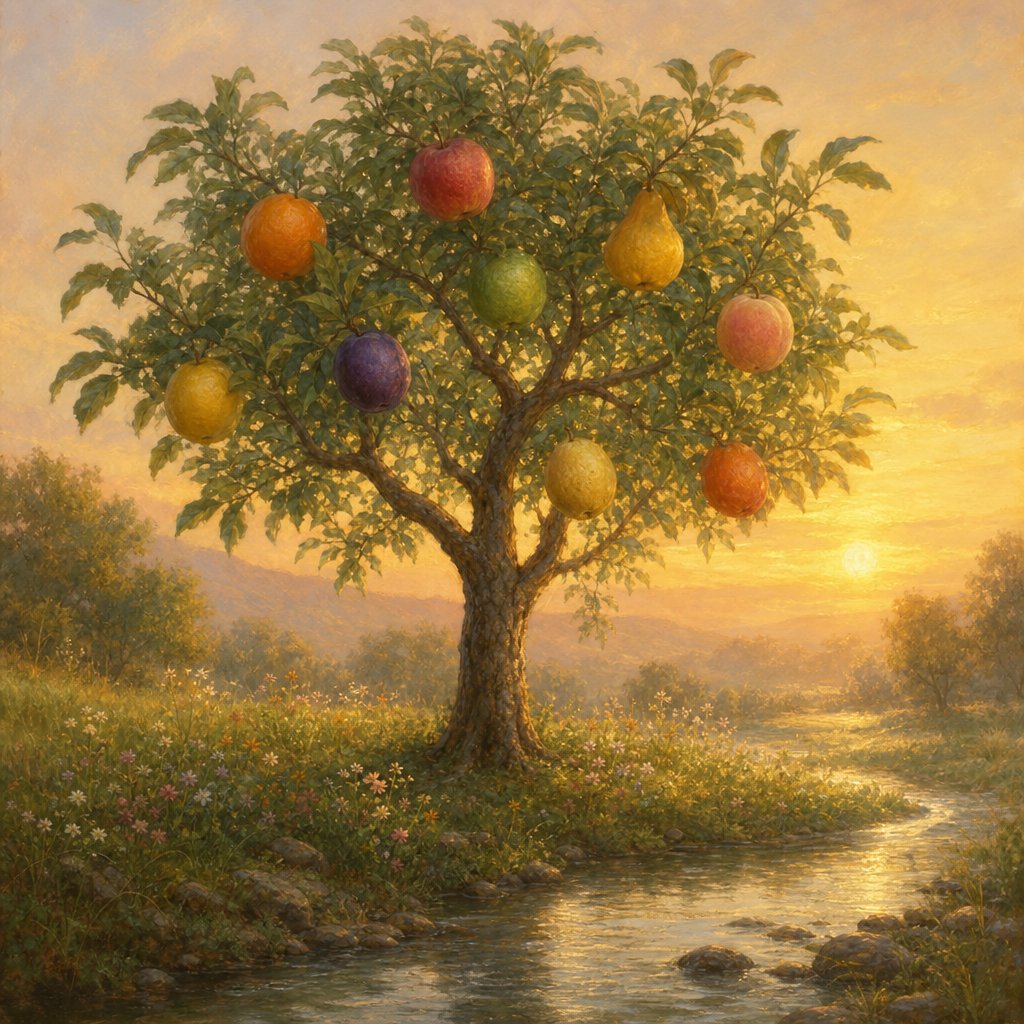
Galatians 5:22–23 in the King James Version reads, “But the fruit of the Spirit is love, joy, peace, longsuffering, gentleness, goodness, faith, Meekness, temperance: against such there is no law.” In Paul’s letter to the churches of Galatia, these words function as a clear description of what a life governed by God’s Spirit looks like from the inside out. They are not presented as a list of spiritual achievements by which a person earns standing with God, but as the natural produce that grows where the Spirit rules the heart. The passage is meant to be read against the tension that runs throughout Galatians: some were being pressed to rely on “the works of the law” as the defining mark of righteousness, and Paul insists that justification is not obtained by that route. In this chapter he turns from argument to lived consequence, showing how true liberty in Christ is neither lawless self-indulgence nor anxious rule-keeping, but a new kind of life shaped by the Spirit.
The immediate context heightens the contrast. Just before this, Paul describes “the works of the flesh,” a catalogue of behaviors and dispositions that spring from fallen human nature when it is left to itself. Then he pivots with the word “But,” making the “fruit of the Spirit” the opposing reality. “Flesh” in this setting is not merely the physical body; it signifies the self directed away from God, the human will operating in its own power and appetites. “Spirit,” by contrast, points to the Holy Ghost as the active agent of a believer’s new life. The conflict Paul outlines in Galatians 5 is not simply between bad and good habits, but between two governing principles: the old nature and the Spirit of God. The fruit named in verses 22–23 is therefore evidence of which power is ruling, and it is also a portrait of Christlike character being formed in a person.
Paul’s language is symbolic and agriculturally rich. He does not say “fruits” but “fruit,” presenting a unified harvest rather than disconnected traits that may be picked and chosen. This suggests an integrated character produced by one source. Fruit is organic; it grows, ripens, and becomes evident over time. It is not manufactured by outward pressure in the way “works” can be performed to meet a standard. By choosing the metaphor of fruit, Paul implies dependence: a branch does not generate life from itself, but bears what the life within it produces. In the same way, these qualities are the Spirit’s outcome in a person who “walk[s] in the Spirit,” not the mere product of willpower or religious display.
Each term names a facet of this Spirit-produced life, and together they describe both a person’s inward condition and outward conduct. “Love” heads the list because it is the fundamental disposition that aligns the heart with God’s own character and directs the rest; it is not simply affection, but a will to seek another’s good. “Joy” points to a settled gladness rooted in God rather than circumstance, a spiritual rejoicing that can endure pressure. “Peace” speaks of wholeness and reconciliation—peace with God and, flowing from that, a peaceable posture toward others. “Longsuffering” is patient endurance, especially under provocation; it is the ability to bear wrongs without retaliating, reflecting God’s patient dealings with sinners. “Gentleness” carries the sense of kindness and graciousness in manner; it is strength expressed with tenderness rather than harshness. “Goodness” emphasizes moral generosity and integrity, a disposition to do what is right and beneficial. “Faith” here can be read as faithful trust and reliability—steadfast dependence upon God that issues in constancy and loyalty. “Meekness” is not weakness, but humble strength under control; it refuses pride, insists less on self, and yields to God’s will. “Temperance” is self-control, mastery of desires rather than slavery to them, the Spirit enabling a person to govern impulses that the “flesh” would otherwise command.
The concluding clause, “against such there is no law,” carries significant theological weight. In Galatians, “law” is often at the center of dispute, and Paul’s statement turns the issue on its head. The law condemns wrongdoing; it does not condemn love, joy, peace, patience, kindness, goodness, faith, meekness, and temperance. These qualities do not need legal restraint because they do not violate God’s moral will; rather, they fulfill the righteous intent that the law pointed toward. Paul is not denying the value of God’s moral standard; he is showing that the Spirit’s work produces a life that the law cannot prosecute. This is part of his larger argument that Christian freedom is not freedom to sin, but freedom from sin’s dominion and from the futile attempt to secure righteousness through external ordinances. Where the Spirit brings forth this fruit, the believer is not made lawless; instead, the believer becomes the kind of person whose life harmonizes with God’s holiness.
The significance of the passage, then, is both pastoral and profound. It teaches that the mark of spiritual life is not primarily external badge or ritual, but transformed character. It also sets a standard that is simultaneously searching and hopeful: searching because it asks what is being produced in the life, and hopeful because it grounds that production in the Spirit’s power rather than human striving. Galatians 5:22–23 invites readers to see holiness as a living, growing reality—the Spirit making Christ’s own dispositions visible in ordinary human relationships—so that the believer’s liberty becomes a witness, not to self, but to the grace and rule of God.
Get our apps


Artwork for Galatians 5:22-23

Galatians 5:22-23

Galatians 5:22-23

Galatians 5:22-23

Galatians 5:22-23

Galatians 5:22-23

Galatians 5:22-23 - "But the fruit of the Spirit is love, joy, peace, forbearance, kindness, goodness, faithfulness, gentleness and self-control. Against such things there is no law."
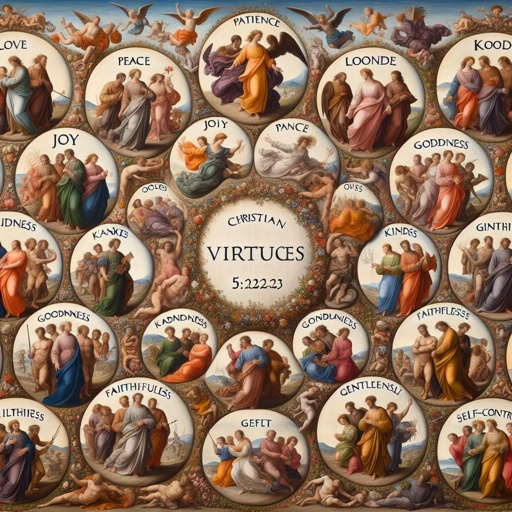
Create an artistic and respectful depiction of the Christian virtues listed in Galatians 5:22-23, as they would be portrayed in a Renaissance painting.

Galatians5:22-23

Galatians5:22-23
"But the fruit of the Spirit is love, joy, peace, forbearance, kindness, goodness, faithfulness, gentleness and self-control. Against such things there is no law." - Galatians 5:22-23
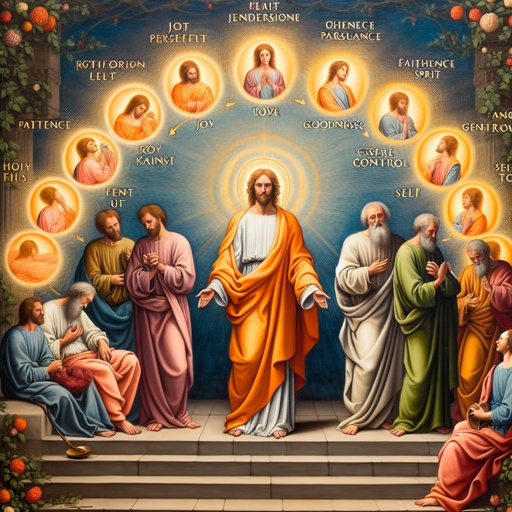
When the Holy Spirit truly leads you, your life will bear unmistakable good fruit, visible in your thoughts, words, and actions. St. Paul outlines these fruits in Galatians: love, joy, peace, patience, kindness, goodness, faithfulness, gentleness, and self-control (Galatians 5:22-23). Imagine what it would be like to consistently embody these qualities—to be loving, joyful, peaceful, patient, and self-controlled. Perhaps you think, “That sounds like Jesus, not me!” Many would feel blessed if even a few of these virtues consistently marked their lives. But such thinking underestimates the Spirit’s transformative power. These fruits that defined Christ’s life are also meant to define ours. The Holy Spirit’s work within us is profound; it is a lifelong process of transformation that aligns us with the very nature of Christ. By allowing the Spirit to guide us, we aren’t just hoping to mirror some aspects of Jesus—we are empowered to grow fully in His likeness. The Spirit’s power is dynamic, reshaping us from within so that, over time, we naturally bear this good fruit, reflecting Christ Himself in all we do. no words

When the Holy Spirit truly leads you, your life will bear unmistakable good fruit, visible in your thoughts, words, and actions. St. Paul outlines these fruits in Galatians: love, joy, peace, patience, kindness, goodness, faithfulness, gentleness, and self-control (Galatians 5:22-23). Imagine what it would be like to consistently embody these qualities—to be loving, joyful, peaceful, patient, and self-controlled. Perhaps you think, “That sounds like Jesus, not me!” Many would feel blessed if even a few of these virtues consistently marked their lives. But such thinking underestimates the Spirit’s transformative power. These fruits that defined Christ’s life are also meant to define ours. Here is the image representing the presence and transformative power of the Holy Spirit in a person's life.

When the Holy Spirit truly leads you, your life will bear unmistakable good fruit, visible in your thoughts, words, and actions. St. Paul outlines these fruits in Galatians: love, joy, peace, patience, kindness, goodness, faithfulness, gentleness, and self-control (Galatians 5:22-23). Imagine what it would be like to consistently embody these qualities—to be loving, joyful, peaceful, patient, and self-controlled. Perhaps you think, “That sounds like Jesus, not me!” Many would feel blessed if even a few of these virtues consistently marked their lives. But such thinking underestimates the Spirit’s transformative power. These fruits that defined Christ’s life are also meant to define ours. Here is the image representing the presence and transformative power of the Holy Spirit in a person's life.

When the Holy Spirit truly leads you, your life will bear unmistakable good fruit, visible in your thoughts, words, and actions. St. Paul outlines these fruits in Galatians: love, joy, peace, patience, kindness, goodness, faithfulness, gentleness, and self-control (Galatians 5:22-23). Imagine what it would be like to consistently embody these qualities—to be loving, joyful, peaceful, patient, and self-controlled. Perhaps you think, “That sounds like Jesus, not me!” Many would feel blessed if even a few of these virtues consistently marked their lives. But such thinking underestimates the Spirit’s transformative power. These fruits that defined Christ’s life are also meant to define ours. The Holy Spirit’s work within us is profound; it is a lifelong process of transformation that aligns us with the very nature of Christ. By allowing the Spirit to guide us, we aren’t just hoping to mirror some aspects of Jesus—we are empowered to grow fully in His likeness. The Spirit’s power is dynamic, reshaping us from within so that, over time, we naturally bear this good fruit, reflecting Christ Himself in all we do.

Galatians 5:23

Galatians 5:23

Galatians 5:23

Galatians 5:23

Galatians 5:23 - "Meekness, temperance: against such there is no law."
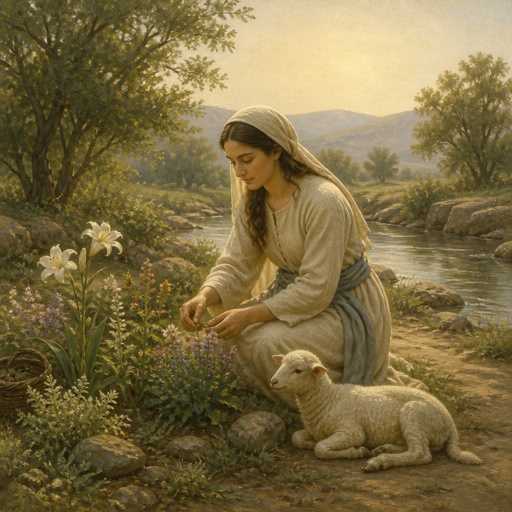
"Meekness, temperance: against such there is no law." - Galatians 5:23

Galatians 5:22 - "But the fruit of the Spirit is love, joy, peace, longsuffering, gentleness, goodness, faith,"

Galatians 4:22-23 - “For it is written that Abraham had two sons: the one by a bondwoman, the other by a freewoman. But he who was of the bondwoman was born according to the flesh, and he of the freewoman through promise”

Galatians 4:22-23 - “For it is written that Abraham had two sons: the one by a bondwoman, the other by a freewoman. But he who was of the bondwoman was born according to the flesh, and he of the freewoman through promise”

Galatians 4:22-23 - “For it is written that Abraham had two sons: the one by a bondwoman, the other by a freewoman. But he who was of the bondwoman was born according to the flesh, and he of the freewoman through promise”
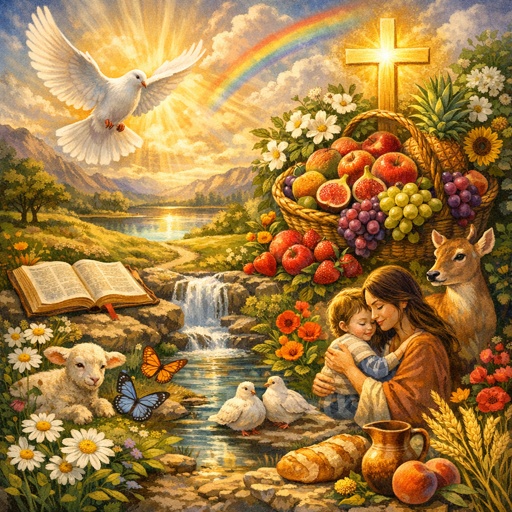
"But the fruit of the Spirit is love, joy, peace, longsuffering, gentleness, goodness, faith," - Galatians 5:22

"But the fruit of the Spirit is love, joy, peace, longsuffering, gentleness, goodness, faith," - Galatians 5:22

Acts 2:2-3

Acts 2:2-3

Galatians 5

Galatians 5:5-6